
CapxuleHub Finance
por CapxuleHub Finance · Se unió el mayo de 2026
Cápsulas

The Mortgage Is the Smallest Part of the Buying Decision
The rent-versus-buy question is rarely settled by comparing rent to a mortgage payment. These options run the decision through opportunity cost, hidden expenses, the flexibility renting preserves, and the case for ownership alongside sharp skepticism about its supposed benefits. Put your numbers and your life plans through them and see which side the math actually favors.

Is Crypto Freedom Money or a Scam Machine?
Crypto promises finance without banks and gatekeepers, and it also hosts a steady stream of fraud that costs ordinary people real savings. The views divide over whether decentralization's benefits outweigh those harms and whether regulation would protect users or defeat the point of the technology. Where you land shapes whether, and how carefully, you touch it.
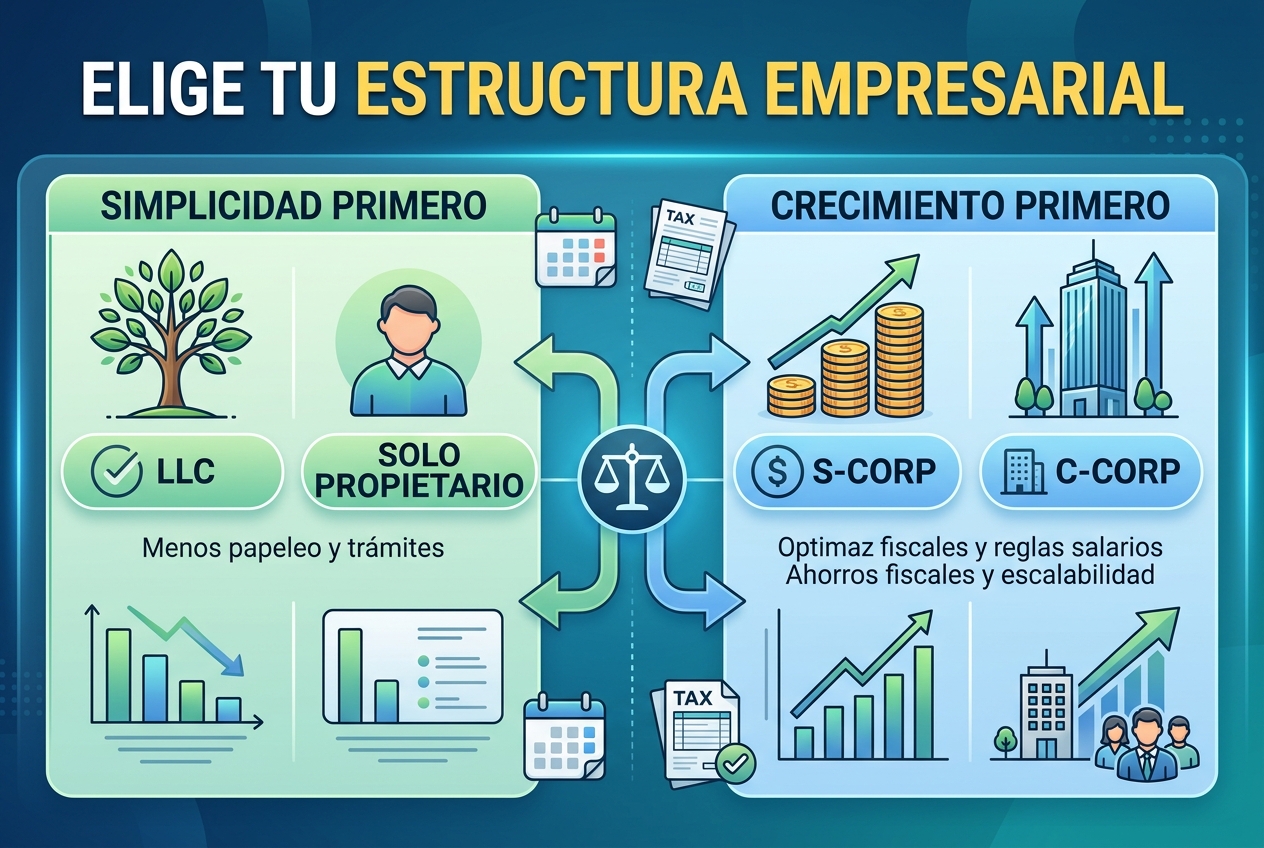
The Wrong Business Structure Can Tax Away Your Profits
Your choice of LLC, S-Corp, or C-Corp shapes your tax bill, paperwork burden, and eventual exit for years. The options split between simplicity-first thinking, where an LLC fits most small businesses, and growth-first thinking, where C-Corp advantages and S-Corp salary rules pay off at scale. Match the trade-offs to your profit level and plans before you file.
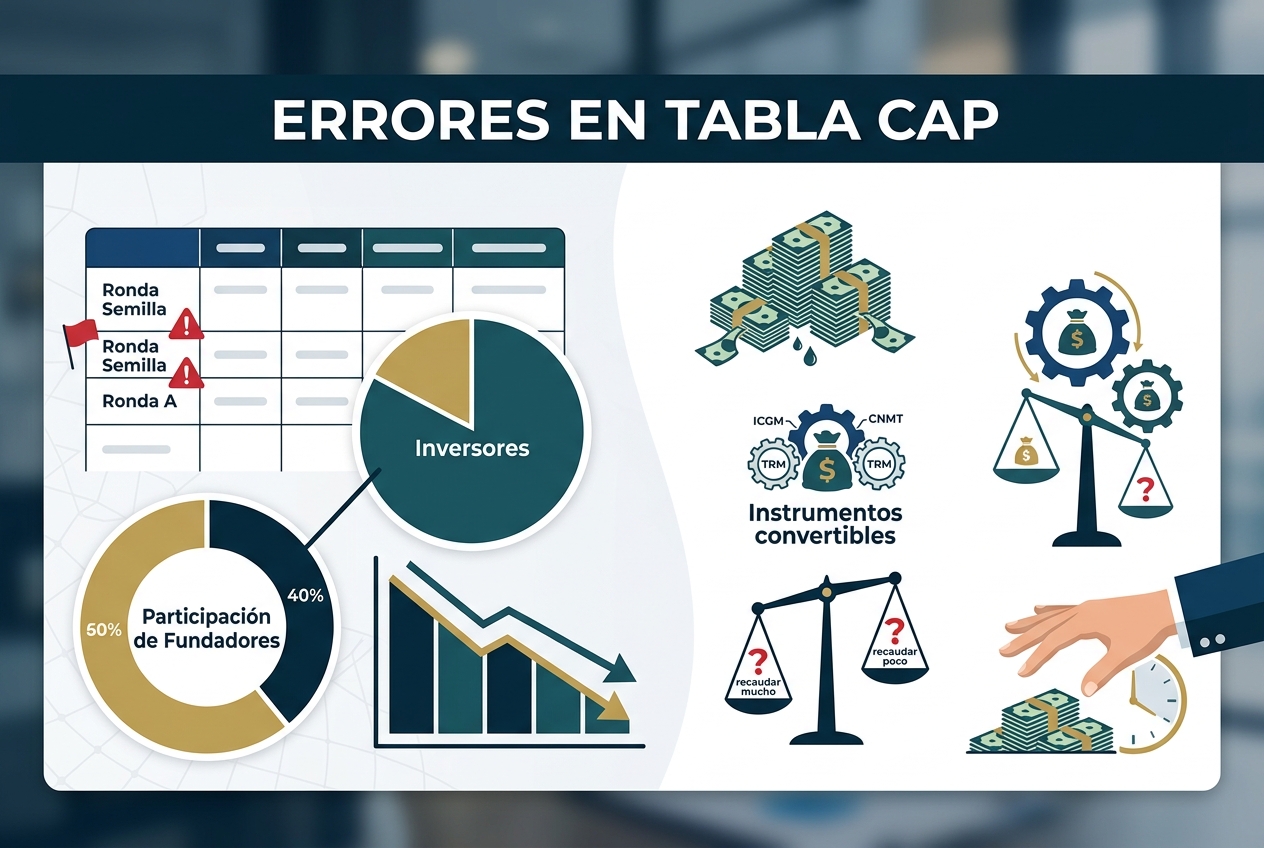
Cap Table Mistakes That Quietly Drain Founder Equity
Equity decisions made in your first funding rounds can quietly cost you control of your own company years later. The mistakes range from over-dilution and convertible-instrument traps to raising far more money than you need before you need it, and the raise-big and raise-lean camps read the same risks very differently. Knowing where they disagree helps you protect your ownership before the terms are locked in.

Building Wealth with Rental Homes Means Fixing, Renting, and Refinancing Fast
Building wealth with rental homes means mastering the BRRRR strategy: fix, rent, and refinance fast to recycle your capital and grow your portfolio efficiently. While many believe slow, steady property appreciation is key, this approach leverages quick market cycles and active management to accelerate wealth. Readers who adopt this mindset can unlock faster growth and greater control over their real estate investments.

Renting Often Saves More Money Than Buying a Home
Buying a home is sold as the smart money move, but the full bill tells another story. The reasons here stack maintenance, taxes, insurance, transaction fees, and the returns you give up by locking cash into a house against the equity you build. Run the whole picture and decide whether renting plus investing elsewhere beats owning for you.
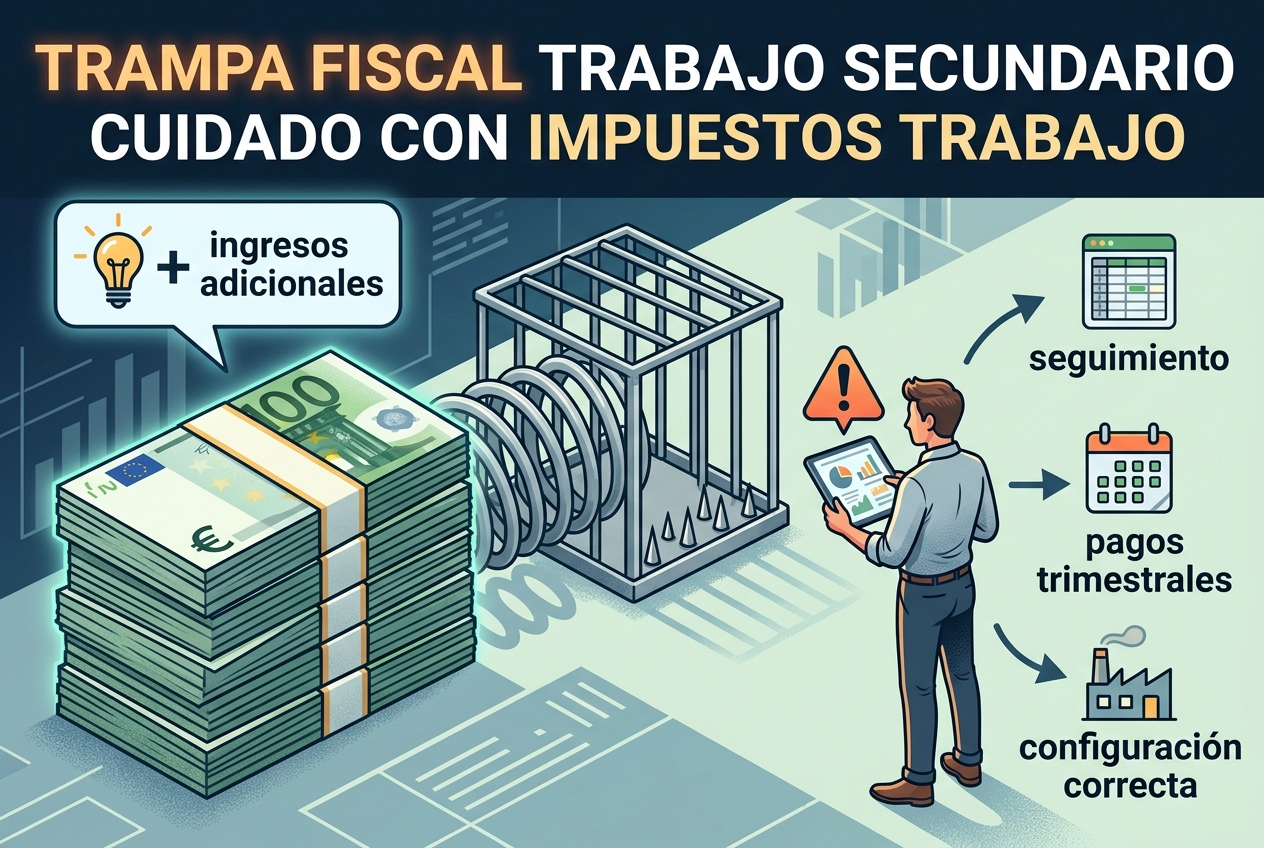
The Tax Trap Waiting Inside Your Side Hustle
Side income feels like free money until the tax bill and penalties arrive. These approaches differ on what to prioritize: meticulous tracking of income, expenses, and deductions, strict quarterly estimated payments to stay penalty-free, or setting up the side work correctly from day one. Pick the approach that keeps you compliant without losing your deductions.

Free Market Prices Beat Active Investing and Planning Every Time
Central planners and active managers promise to outsmart the market, but this take says prices already do the coordinating better than anyone could. Because market prices bundle scattered knowledge about scarcity and demand, passive index investing and tax optimization beat trying to beat the market. Lean into it and compounding does the heavy lifting toward financial independence.

Your Stock Options Can Expire Worthless the Day You Quit
Leave a job with unexercised options and a short deadline can erase years of paper wealth. These strategies split on the biggest threat: post-termination exercise windows, tax bills triggered by bad timing, or the concentration risk of betting your savings on one company. Knowing which risk applies to you decides when to exercise, sell, or walk away.
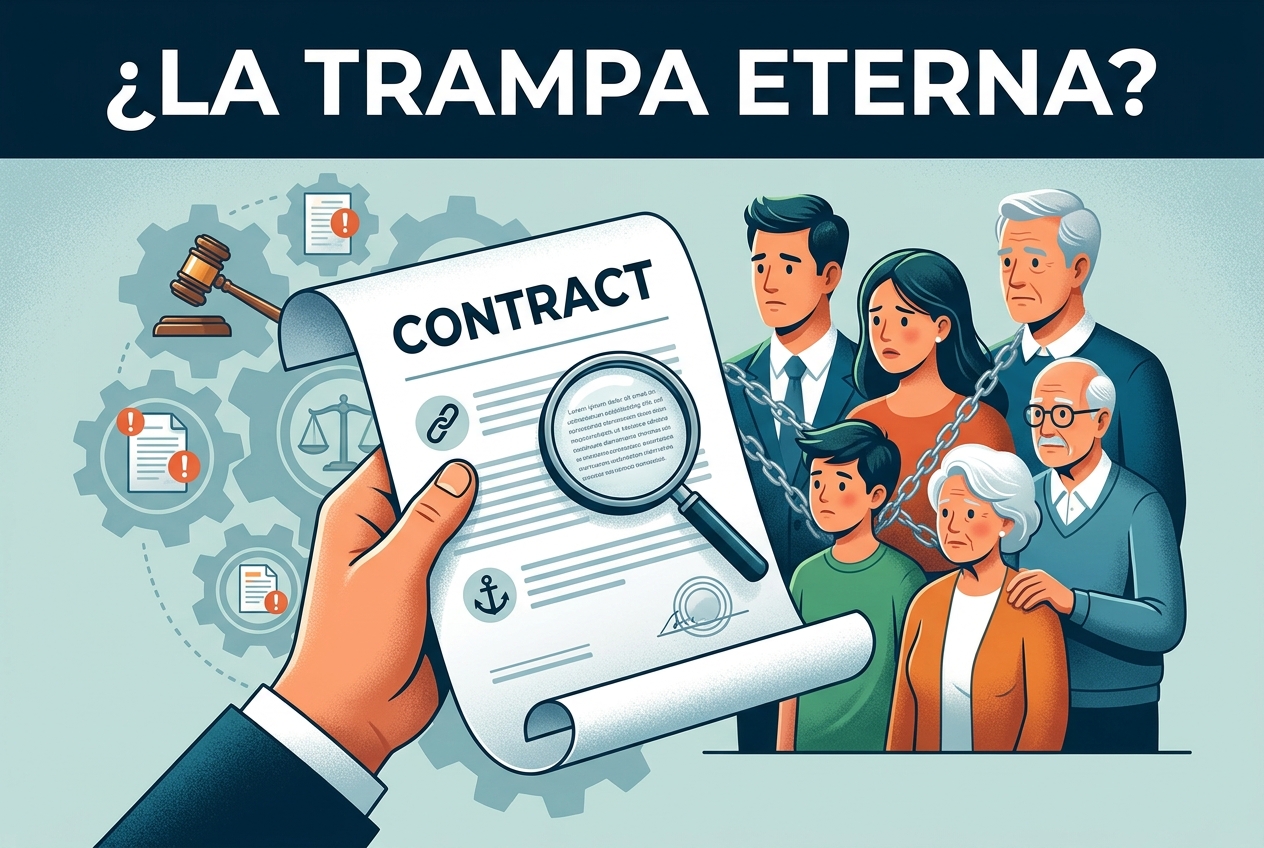
Timeshares Are Built to Be Impossible to Leave
The sales pitch is short; the contract can bind you, and even your heirs, indefinitely. These tactics expose how the trap works, splitting on whether the core is a fee-and-loan business model, deceptive contract terms, or legal loopholes that neutralize consumer protections. Understanding the mechanism tells you whether an exit exists before you ever sign.

Rent a Home Without Costly Surprises
Deposits vanish, fees appear, and rights go unused because renters rarely know which protections actually bite. Documentation, fee rules, and fair-housing law each guard against a different trap, and the savvy move is knowing which one you need.

Money Didn't Start With Barter, and Banks Don't Lend Deposits
Much of what school taught about money is contested at the roots. These theories clash over whether money began as barter or as a social and political creation, whether banks lend existing deposits or create new money when they lend, and how much central banks really control the supply. Sort out which story fits history and today's economy.

The House Payment Is the Cheap Part
First-time buyers budget for the mortgage and then get blindsided by everything around it: HOA fees, property tax prepayments, repairs an inspection would have caught, and the trap of borrowing right up to your loan limit. The pitfalls here disagree about which surprise hurts most and whether buying the biggest home you qualify for is the root mistake. Knowing them before you sign is the difference between stretched and sunk.

The Budget You Can Actually Stick To
Most budgets fail not from bad math but from not fitting real life. These approaches split between strict routines, flexible month-to-month adjustment, and covering essentials first, with special answers for irregular income. Comparing them points you to the money plan you'll still be using in six months.

When Should Your Safety Net Stop Growing?
Every dollar you keep adding to an emergency fund is a dollar not invested, and the right stopping point is not obvious. These options range from a fixed three to six months of expenses, to shrinking the fund as your wealth grows, to paying off high-interest debt first, to investing the reserve instead of holding cash. Match them against your own stability to decide when saving turns into hoarding.

Handle Legal Paperwork First to Avoid Chaos After a Death
Most people focus on grief and overlook the urgent legal steps needed after someone dies. This approach insists that filing the will for probate, gathering key documents, and notifying agencies immediately are essential to prevent financial and legal problems. Following this strict order ensures the estate is managed properly and creditors are paid before heirs receive anything.
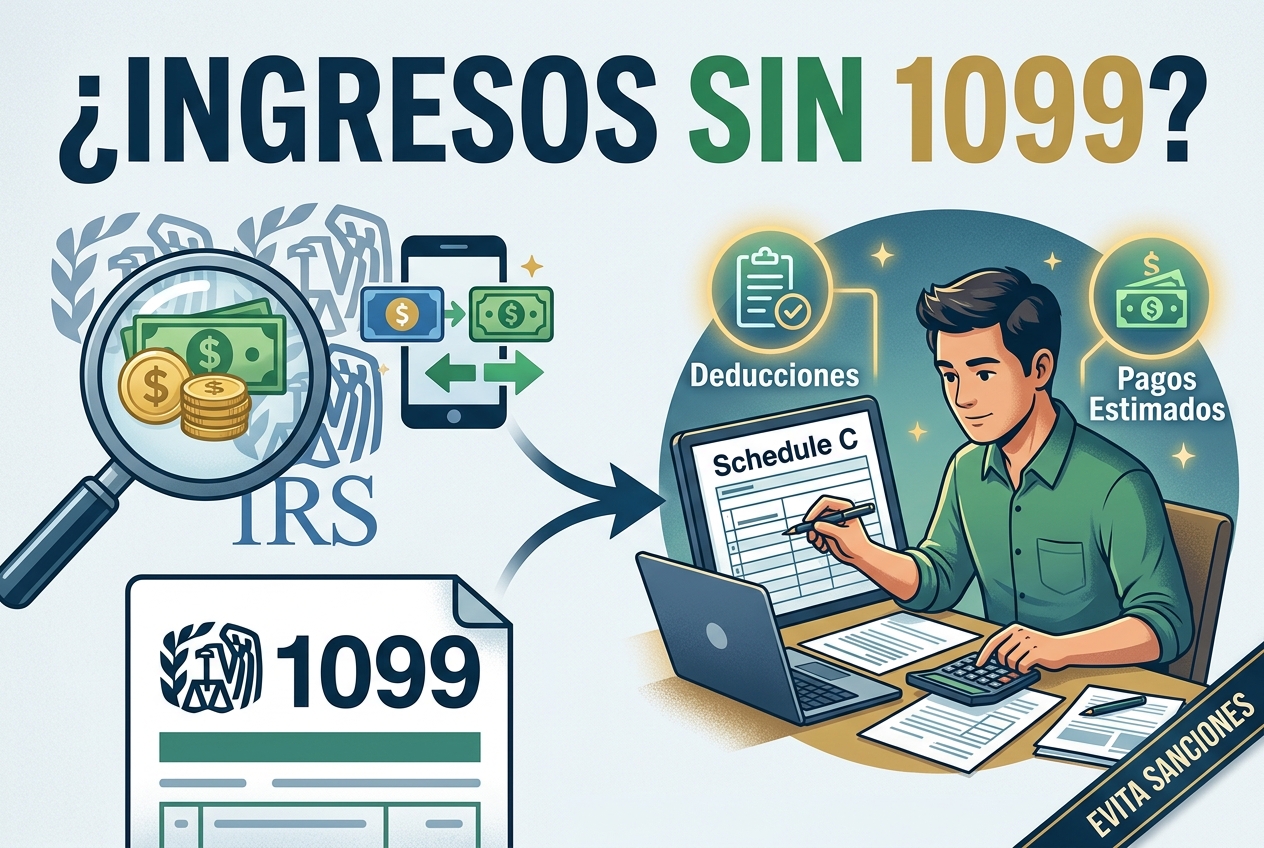
The IRS Sees Your Side Hustle Income, Even Without a 1099
Cash gigs and app payouts count as income whether or not a form arrives, and getting that wrong invites penalties. These tactics split on where to focus: sticking strictly to the ordinary-and-necessary test for deductions, maximizing every legitimate write-off, or making estimated payments and Schedule C the priority so penalties never start. Choose the mix that keeps your tax bill low without inviting an audit.

Is Six Months of Cash Just Money Sitting Idle?
The classic advice says park six months of expenses in cash before you do anything else, but that safety net has a real cost in lost growth. The options here split on whether to fund retirement or kill high-interest debt first, keep a slimmer tiered reserve in bonds, or hold the full cushion anyway. Weigh your job security and goals to decide how much cash protection you actually need.

Your Will Might Not Decide Who Gets Your Money
Beneficiary forms, joint ownership, and trusts can quietly override whatever your will says, which is why estate plans fail people who thought they were covered. The elements here pull in different directions: trusts to dodge probate and taxes, strict formalities that keep a will valid, powers of attorney for incapacity, and regular updates that keep everything current. Sorting out which pieces your situation needs is how you keep your wishes intact.
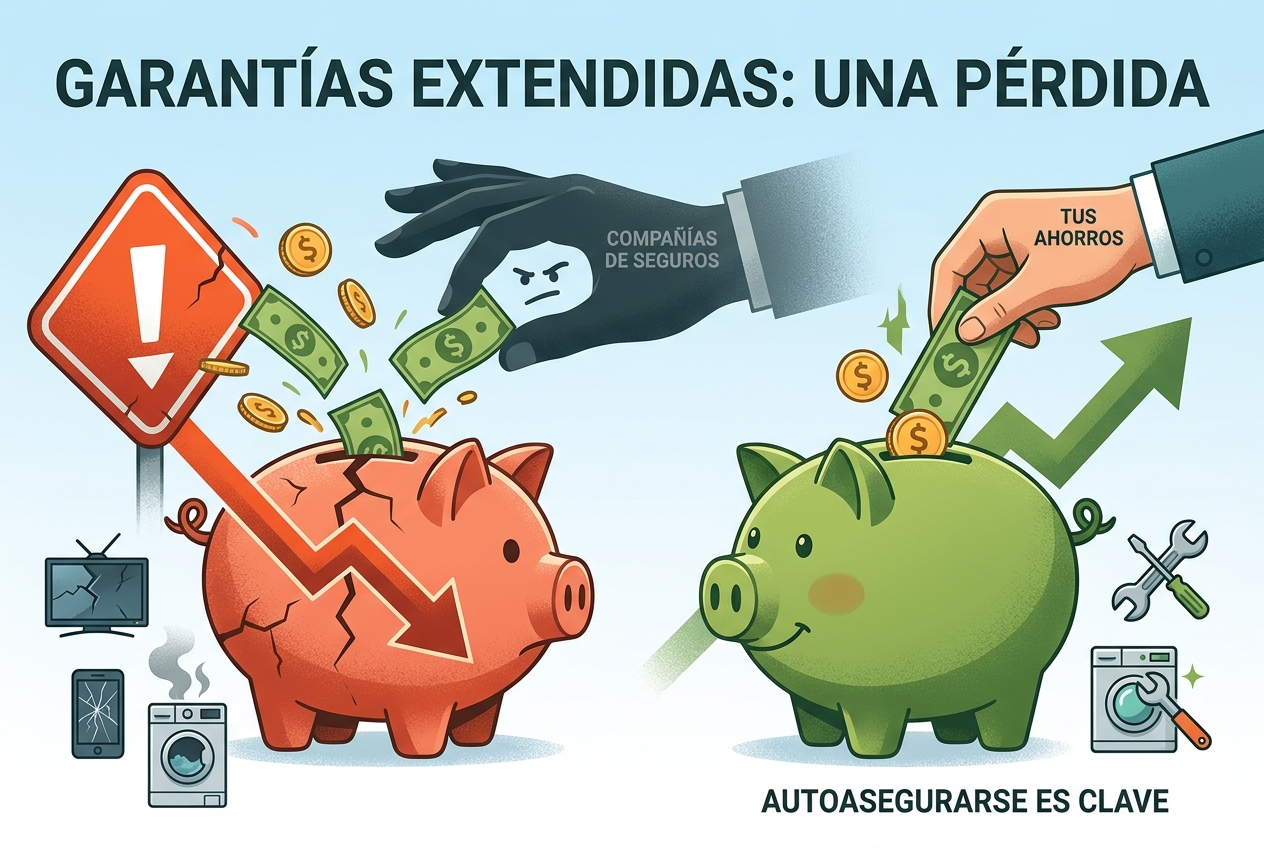
Extended Warranties Are Priced to Lose You Money
Extended warranties are designed so that insurance companies profit at the expense of buyers, making them a poor financial choice. While many consumers buy these warranties hoping to avoid costly repairs, a better approach is to self-insure by setting aside the equivalent cost in savings. This strategy avoids overpriced premiums and can save money over time by covering repairs directly.

Your First Credit Card Can Build You or Bury You
The same piece of plastic that builds the credit history you'll need for a car or home can just as easily start a debt spiral. The tips here emphasize different guardrails: choosing the right first card, following its terms to dodge fees, respecting age rules, and building safe habits from day one. Decide which discipline fits your life before the first swipe.

Gold May Not Shelter You When Markets Crash
Gold is sold as the thing you flee to when markets melt down, but the evidence is messier than the story. These findings show its safe-haven role is conditional, varies by country and crisis, and often fails to offset losses at all. Statistical tests and real crash data help you judge when gold actually shelters you.

Most Fund Managers Can't Beat Doing Nothing
The people paid to pick winning stocks mostly lose to a fund that simply buys everything, and it looks worse once dead funds are counted properly. The findings here differ on why: statistical bias, market efficiency, methodological blind spots, possible exceptions in bonds, and whose conflicts of interest color the analysis. Where you come down decides whether active management deserves any of your money.
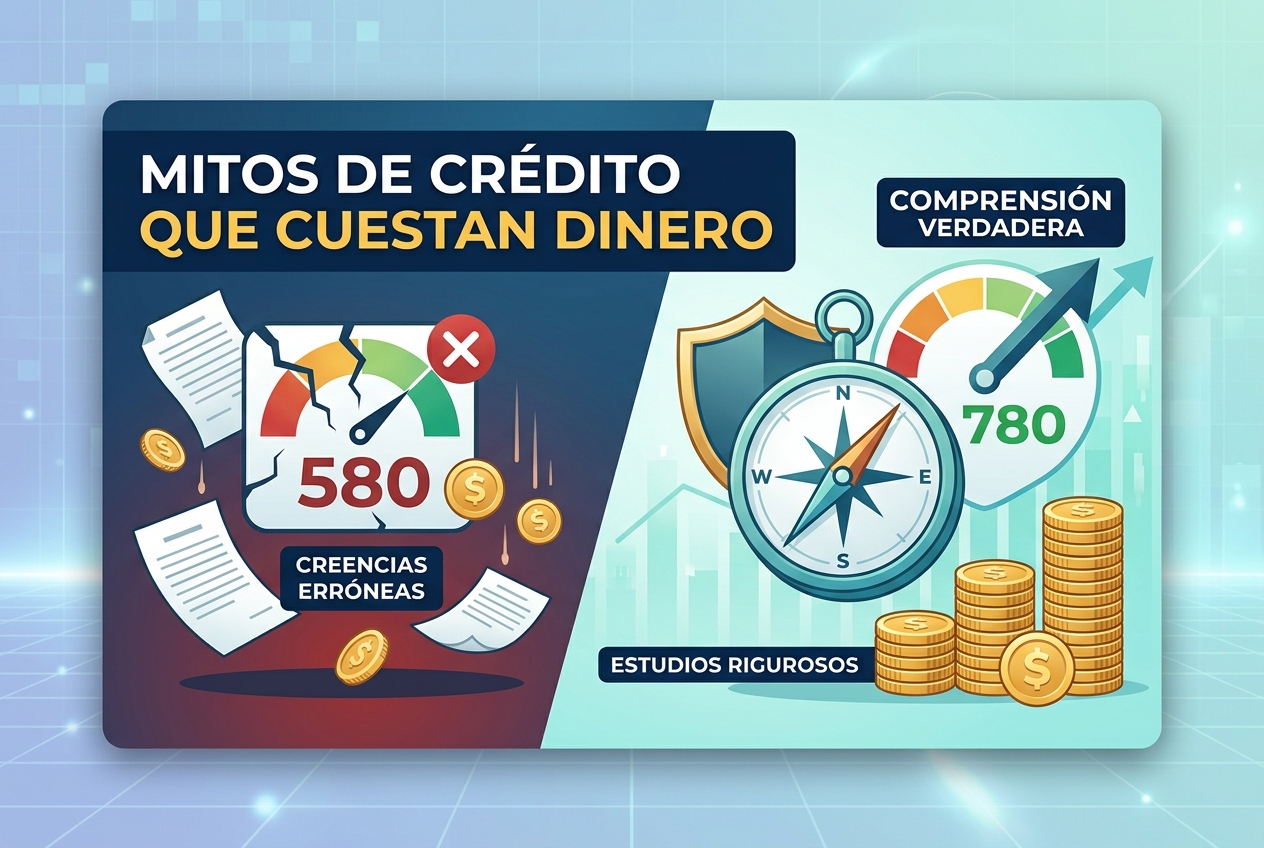
Most Credit Score Beliefs Are Wrong and Cost You Money
Common beliefs about credit scores often rely on flawed studies that overlook critical methodological issues like data leakage and sample bias. By demanding rigorous, transparent research and understanding the true factors behind credit scoring, consumers and lenders can avoid costly mistakes and promote fairer, more accurate credit decisions. Embracing these insights helps you challenge myths that lead to unfair lending and financial loss.

Paying Off a Cheap Mortgage Early Could Cost You
Being debt-free feels unambiguously good, but rushing to retire a low-rate mortgage can forfeit tax advantages, investment returns, and even bankruptcy protections that favor retirement accounts. The options here weigh that hard math against the genuine mental relief of owing nothing, with life-cycle models suggesting the right answer shifts with your age and situation. Decide whether your extra payment is peace of mind or money left on the table.

What Really Moves Your Credit Score
Your credit score gates your mortgage rate, your car loan, and sometimes your apartment, yet the advice about what drives it is contradictory. The factors get ranked differently: payment history versus credit utilization as the big lever, published weightings versus what scores legally can and cannot use, and whether alternative data improves fairness or imports bias. Knowing which view holds up tells you which habits genuinely move your number.
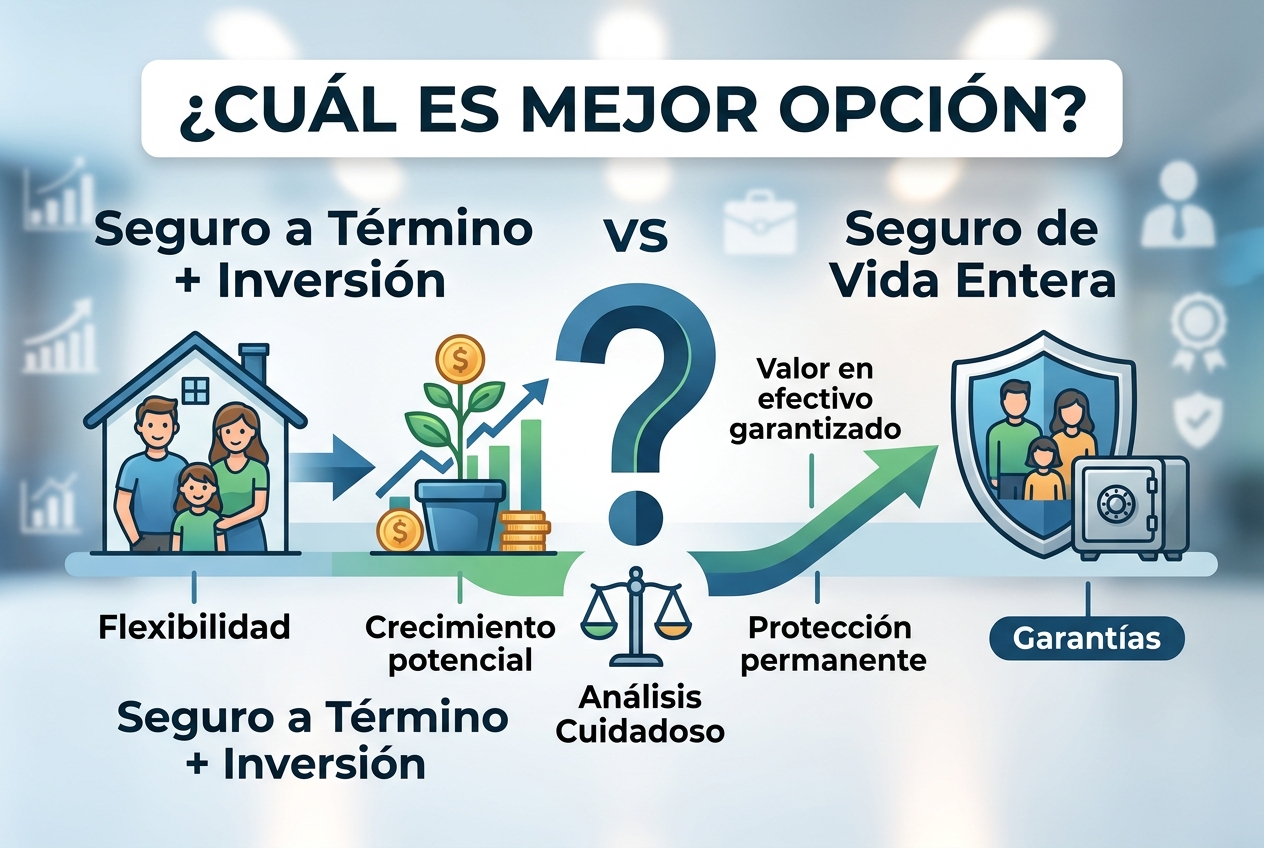
Whole Life or Term and Invest the Difference?
Protecting your family means picking a policy you may pay into for decades, so the choice deserves real scrutiny. The options split between term insurance plus separate investing, whole life with guaranteed benefits and cash value, and a compliance-minded path focused on commissions and disclosure. Weigh simplicity and growth against guarantees to decide which fits your family and savings.

You Lose Because Your Budget Can't Handle the Casino's Built-In Edge
The house wins not just because the odds favor it but because your limited bankroll cannot ride out gambling's natural swings. Luck and skill feel like they could beat the casino, yet the math of the house edge plus variance and thin budgets makes long-term winning impossible. Understand how bet size and budget interact with variance and you will see why careful bet management is the only real defense.

The Insurance Worth Paying For and the Kind You Can Skip
Some policies protect your income, some protect your assets, and some mostly protect the insurer. Deciding what you truly need comes down to what you can afford to lose, and that answer looks different for almost everyone.

Spot Scams: Five Expert Tips to Avoid Losing Money
Experts offer different strategies to spot scams before they cost you, from securing your credentials and verifying requests to resisting pressure and reporting incidents to authorities. Some emphasize prevention through careful verification, while others focus on steps to take after exposure or the importance of sharing experiences. You will learn how to choose the best approach for your situation and protect yourself from losing money.
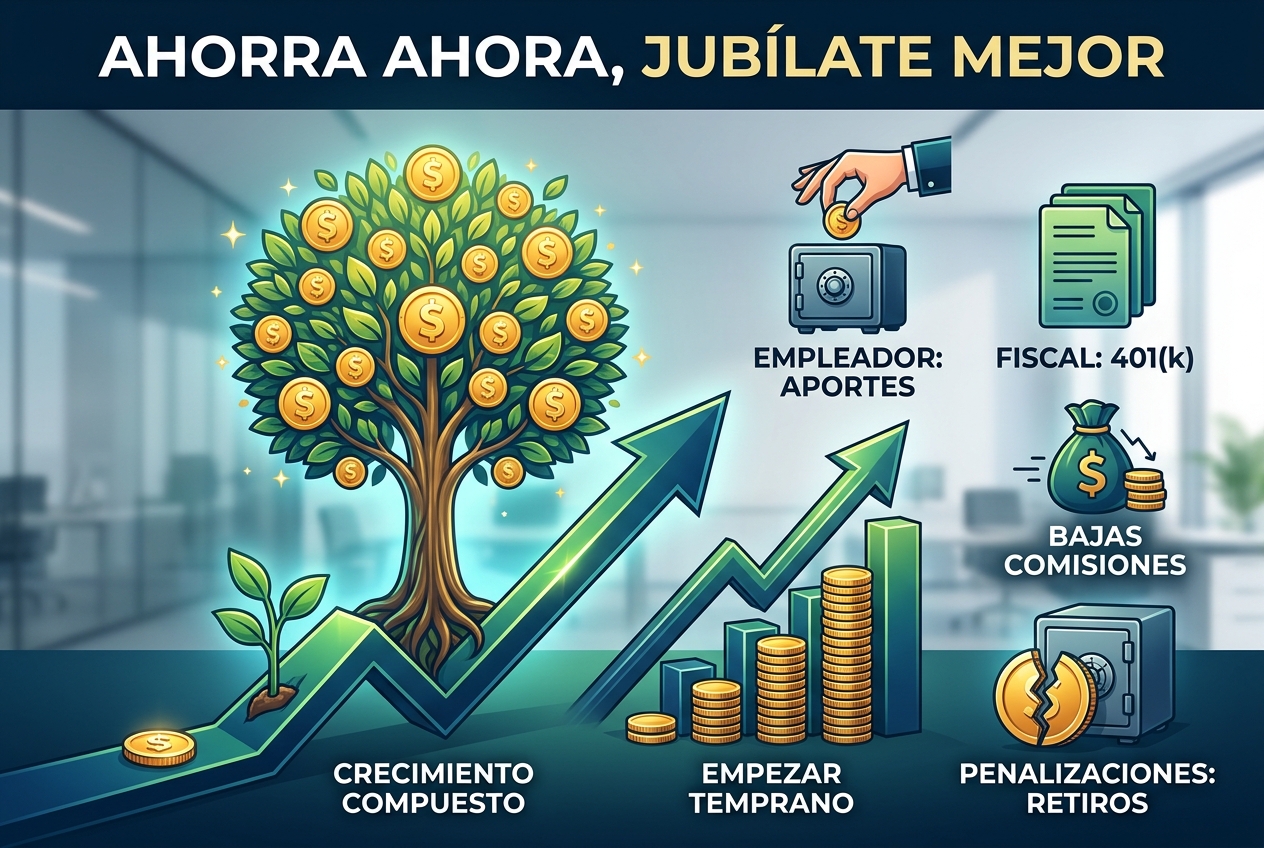
The Retirement Math That Rewards Starting Now
Every year you wait to save for retirement costs far more than the amount you skip. These strategies cover where the real money hides: compound growth from starting early, free employer matches, 401(k) tax rules, low-fee funds, and the penalties that punish early withdrawals. Together they map the moves that quietly decide how you retire.

Dripping Money Into the Market Feels Safer. It Usually Costs You.
When a windfall lands, the hardest question is whether to invest it all today or ease it in over months. These strategies split on what matters most: the math, which usually favors investing everything at once, versus the risk and regret of watching a lump sum drop right after you commit. You'll be able to weigh higher expected returns against your own nerves and pick a plan you can actually stick with through a downturn.

Should You Buy, Lease, or Buy Used?
A car is one of the biggest checks you'll ever write, and the sticker price tells you almost nothing about what it truly costs. These analyses differ on what drives the total: some track cost per mile and lease return fees, others weigh maintenance risk, resale value, or how to translate lease rates into a fair comparison with buying. Match the numbers to your own driving habits and budget, and you can pick the option that genuinely saves you money.

When Life Upends, the Paperwork You Skipped Comes Due
A divorce, a diagnosis, or a death in the family rarely announces itself, and the plans you made before rarely survive it intact. These planning elements differ on what to put first: legal documents for incapacity, smart money moves, coordinating care and communication with family, or verifying that the experts you hire are the real thing. Together they show you how to rebuild your life piece by piece with connected decisions instead of isolated ones made under pressure.

The Loyalty Trap Hiding Inside Your Points and Miles
Loyalty programs are built to feel like free money, and that feeling is exactly how people get trapped. These approaches differ on where the real danger lies: one says pay off card debt and chase cash value first, another says question every program before you join, and a third warns that hidden fees and security risks quietly eat your rewards. Compare them and you can decide when points are worth playing and when the smartest move is walking away.

The Best Debt Payoff Plan Is the One Almost Nobody Picks
Getting out of debt is as much a psychology problem as a math problem, and the plan that performs best is the one people choose least. These strategies differ on what to attack first: the highest interest rates, better terms won through prepayments and leases, or a payoff order matched to how your mind naturally makes decisions. You'll see the real cost of each route and pick the one you will actually follow to the end.

Why Your Home Insurance Costs Keep Rising and What You Can Do
Home insurance premiums are climbing due to more frequent natural disasters, rising construction costs, and changes in insurer policies. These causes differ in how they affect pricing and coverage availability, from climate-driven risks prompting higher rates and tighter rules to inflation pushing repair expenses up. Understanding these causes helps homeowners decide when to file claims, shop for coverage, or prepare for premium hikes in high-risk areas.
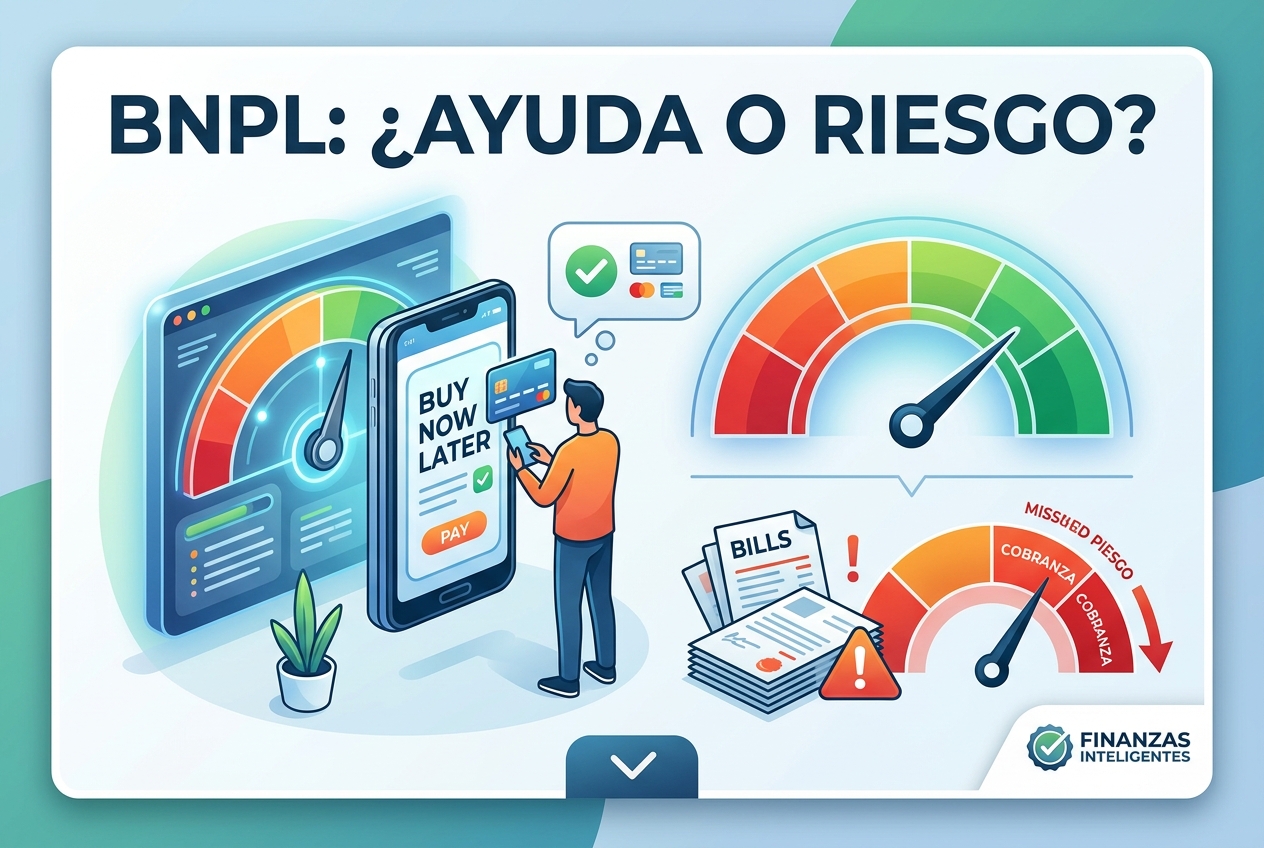
Buy Now Pay Later Usually Doesn’t Build Your Credit Score Until You Miss Payments
Buy Now Pay Later (BNPL) services typically do not report your on-time payments to credit bureaus, so using them won’t help improve your credit score. However, if you miss payments and your account goes to collections, that negative information can be reported and seriously damage your credit. This means BNPL can quietly increase your debt risk without giving you credit-building benefits unless you fall behind.

Why So Much Money and Benefits Go Unclaimed
Many people miss out on benefits and unclaimed money due to a mix of barriers like complex paperwork, lack of awareness, and fear of scams. The reasons differ widely—from hidden colonial legacies and disaster aid to the difficulty of navigating strict deadlines and confusing systems. Understanding these reasons helps reveal where the system fails and what can be done to make claiming easier and fairer.

Can Rich Dad Poor Dad’s Money Lessons Stand Up to Real-World Scrutiny?
This capsule reveals how different approaches to evaluating Rich Dad Poor Dad’s credibility and financial advice lead to contrasting conclusions. Some focus on auditing online claims and promotional content, others rely on real-world experience and financial records, while credential-based checks weigh the author’s authority. Exploring these approaches helps you decide which money lessons hold practical value and which may be overstated or misleading.

Why Money Lessons Often Miss What Luck and Experience Really Mean
Money decisions are shaped not just by data but by personal experience and unpredictable luck, which can make comparing financial outcomes misleading. This collection reveals how stories from history, risk perception, and real-world examples highlight both the strengths and blind spots in common money advice, helping you see where lessons apply and where they don’t. Understanding these points lets you better prepare for uncertainty and avoid pitfalls in financial thinking.
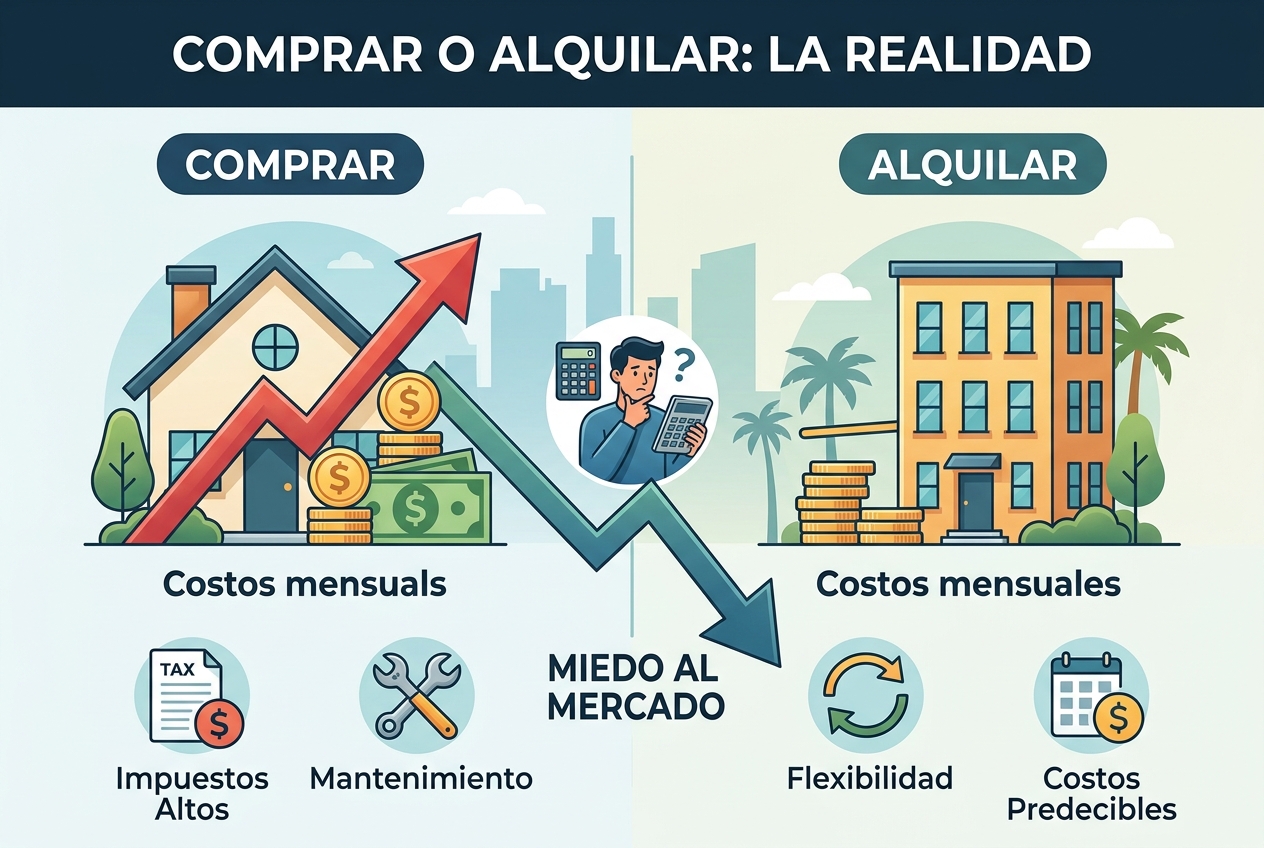
Buying a Home in Irvine Often Costs More Than Renting and Risks Don’t Disappear
In Irvine, California, home prices rarely crash but owning a home typically costs thousands more per month than renting, challenging the usual math that buying always makes financial sense. Unlike common assumptions, selling a home doesn’t eliminate housing costs, and buyers face risks like rising interest rates, higher property taxes after reassessment, and costly repairs. Recognizing these realities helps avoid overpaying and losing mobility in a market where prices soften but don’t freefall.

When Money Means Family, What Counts as Fair for All Kids?
Blended families face complex financial challenges that go beyond simple fairness, involving legal planning, inheritance, and ongoing support between biological and stepchildren. The approaches differ on how to protect assets, balance responsibilities, and prevent conflict—whether through formal agreements, trusts, or partnership-based decisions. Understanding these distinct paths helps families create clear, legally sound plans that respect everyone’s needs and avoid unintended disinheritance or resentment.

Why the Bank’s Approved Mortgage Isn’t What You Can Truly Afford
Buying a home means more than just meeting the bank’s approval. Factors like your real income after taxes, hidden costs such as property taxes and repairs, and the need for a sizable down payment all affect what you can comfortably afford. This collection reveals how different approaches weigh lender limits against personal financial risks to help you choose a home-buying budget that fits your life, not just your loan.
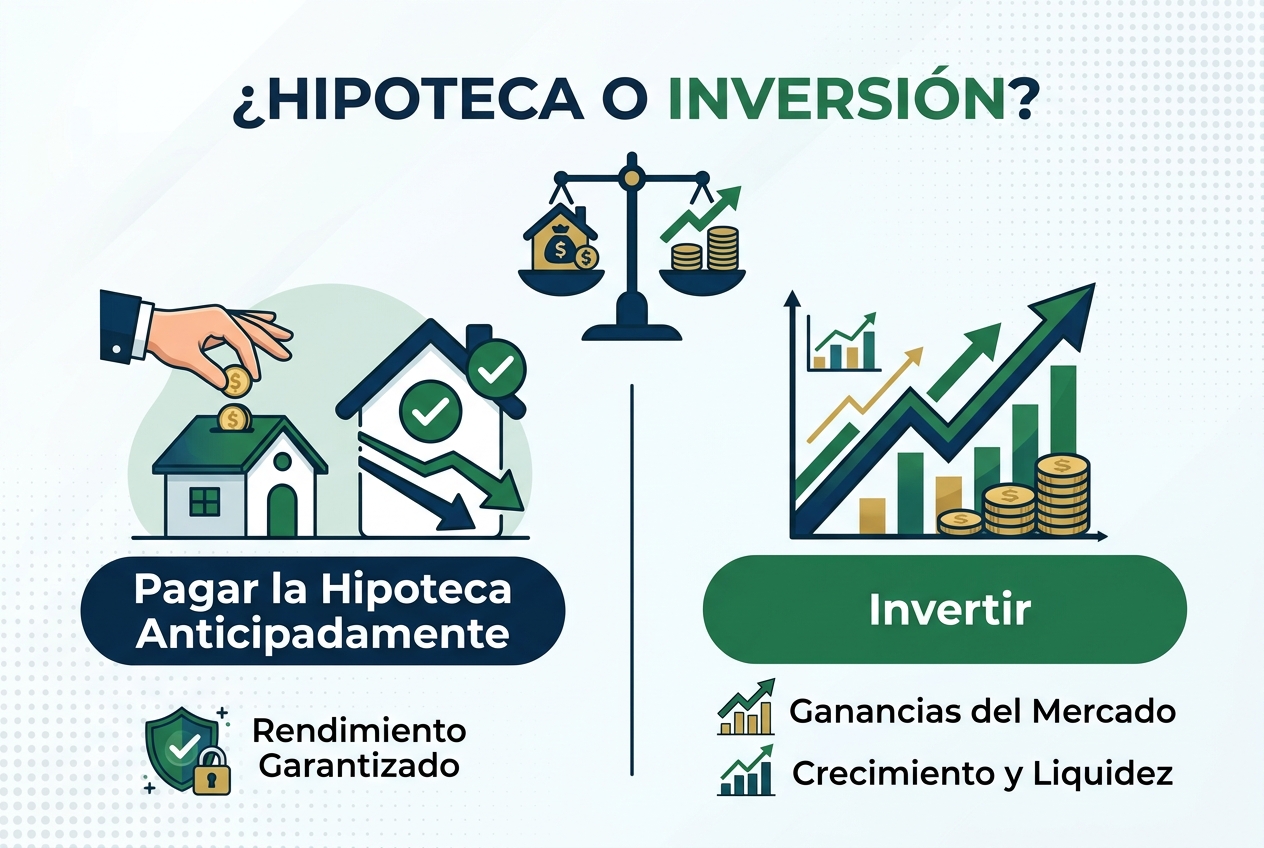
When Paying Off Your Mortgage Early Makes More Sense Than Investing
Deciding whether to pay down your mortgage early or invest the same money depends on comparing your mortgage interest rate to expected investment returns, your risk tolerance, and your financial goals. Some strategies favor paying off debt when mortgage rates are high for a guaranteed return, while others prioritize investing when rates are low to maximize growth and liquidity. This collection reveals how different approaches weigh guaranteed savings against uncertain market gains, helping you choose the best path based on your age, mortgage rate, and comfort with debt.
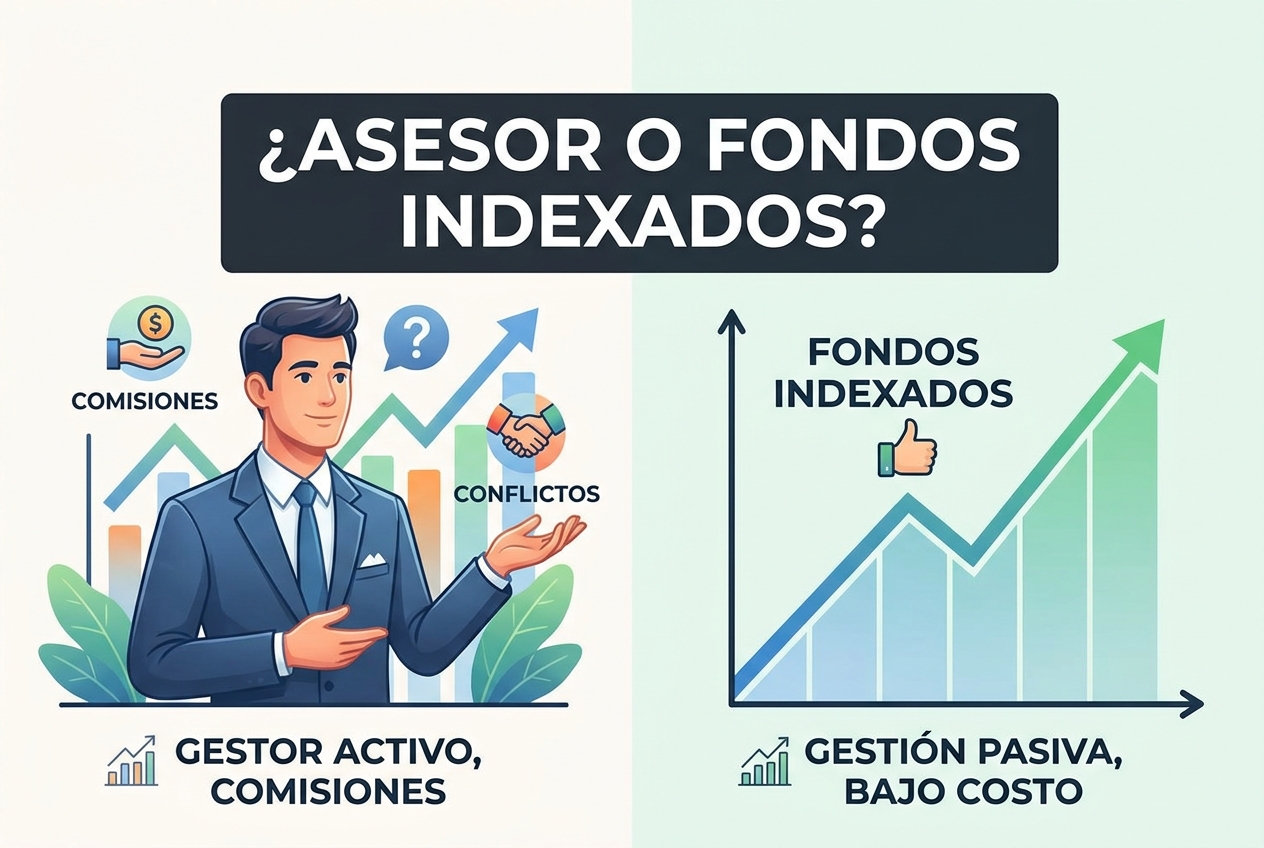
Is Paying for a Financial Advisor Worth the Cost Over Simple Index Funds
Investing with low-cost index funds often outperforms portfolios managed by financial advisors once fees and conflicts of interest are considered. Approaches differ on whether advisors add value through active management, behavioral guidance, or tailored strategies versus the simplicity and cost-efficiency of a buy-and-hold index fund portfolio. Understanding these differences helps investors decide if paying advisory fees aligns with their goals or if a straightforward index fund strategy is enough.

Should You Pay Debt or Invest First When Both Compete for Your Money
Deciding whether to pay off debt or invest first depends on factors like guaranteed savings from reducing debt interest versus uncertain investment returns, employer retirement match opportunities, and specific loan rules such as federal student loan forgiveness programs. Some strategies prioritize capturing every dollar of employer match before tackling debt, while others focus on teamwork and system clarity in managing finances. Understanding these differences helps you choose the approach that fits your goals and financial situation.
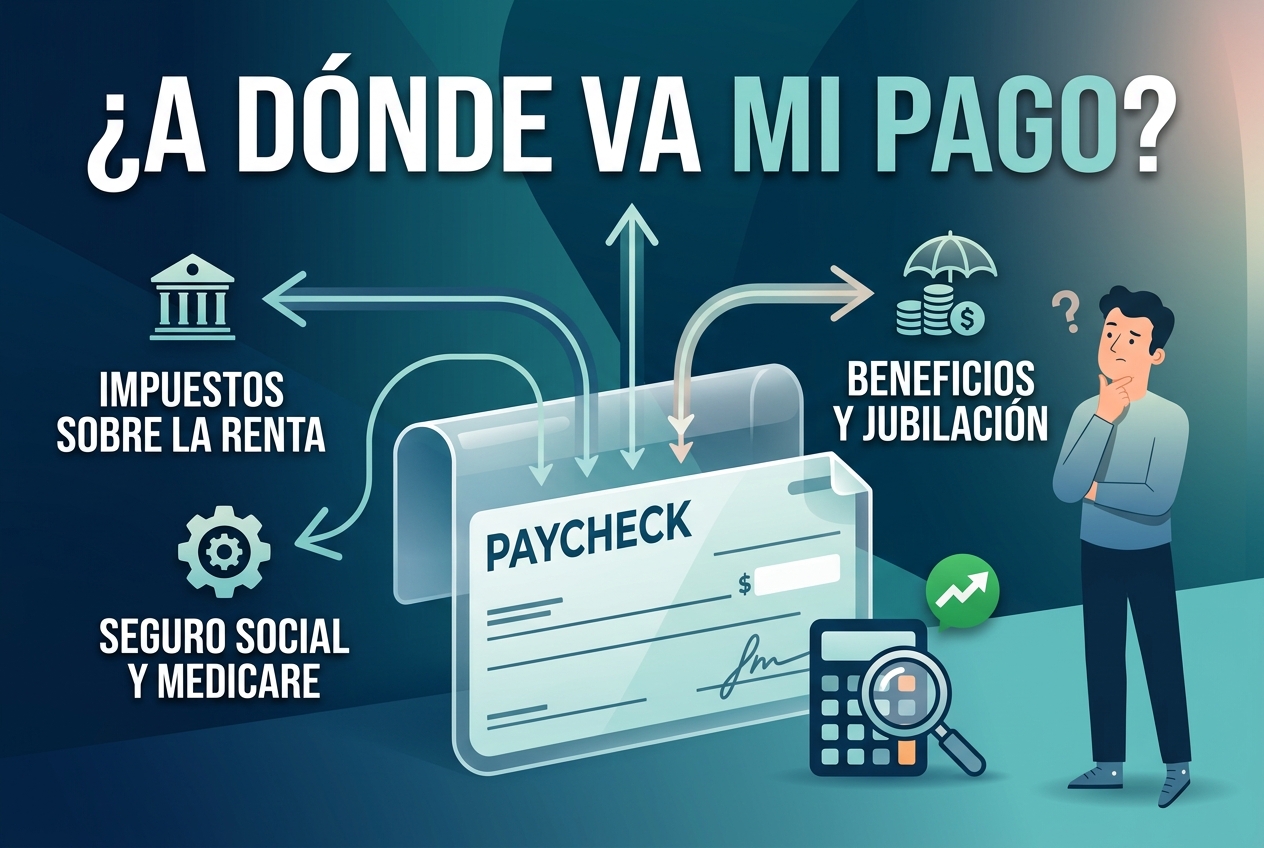
Why Your Paycheck Feels Smaller Than You Expect
Paychecks often surprise workers because of how taxes and benefits are withheld and calculated. The components differ on how income tax withholding is determined by forms like the W-4, how Social Security and Medicare taxes apply and cap out, and how retirement contributions affect taxable income but not all payroll taxes. Understanding these components helps you see where your money goes and decide how to manage your withholdings and benefits effectively.
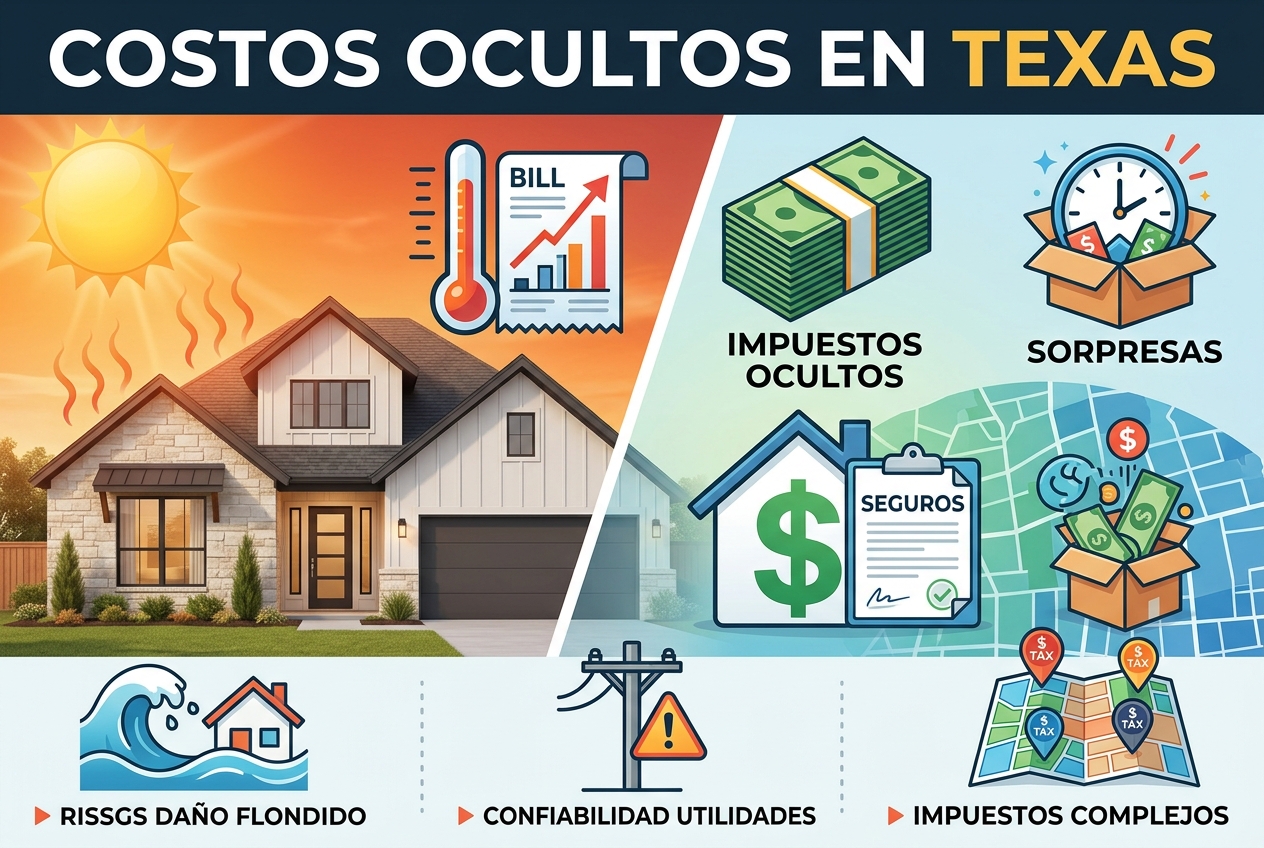
Moving to Texas Means Facing Hidden Taxes, Heat, Insurance, and Surprise Costs
Moving to Texas involves navigating a complex landscape of costs that go beyond the sticker price. Property taxes can spike dramatically, homeowners insurance often excludes flood damage requiring separate coverage, and extreme heat impacts both insurance premiums and utility reliability. Understanding these distinct costs—from flood insurance needs and tax districts to insurance market shifts and weather-related risks—helps you prepare for the real expenses of Texas living.

When Does Buying a Denver Home Cost More Than Renting
Deciding whether to buy or rent in Denver hinges on factors like wildfire risk, insurance costs, and homeowners association responsibilities. Wildfire-prone areas can drive insurance rates up dramatically and require costly mitigation efforts, while HOA fees and maintenance obligations add to homeownership expenses. Understanding these factors helps you weigh monthly costs and risks to choose the best option for your lifestyle and budget.

Can You Afford to Buy in Seattle When Jobs and Prices Are Uncertain
Buying a home in Seattle demands more than just qualifying for a mortgage—it requires careful financial planning to handle risks like job loss, rising costs, and unexpected repairs. The analyses differ on how much cash reserves you need, how to measure true affordability beyond lender rules, and how to prepare for market uncertainties and labor shifts. Understanding these perspectives helps you decide if buying now or renting longer fits your financial safety and lifestyle goals.

Why Buying in Austin Isn’t Always Better Than Renting After the Boom
Austin’s housing market shifted dramatically after a pandemic-driven surge and a sharp price correction, challenging the assumption that buying is always the smarter choice. Key factors like property tax rules, special district fees, and local market comps reveal different financial impacts on buyers versus renters. Understanding these factors helps you weigh affordability, tax benefits, and long-term costs to decide what truly fits your situation.

What VA Benefits You Really Get and How the Rules Change Your Claim
Veterans seeking VA benefits face complex rules that affect what they’re owed and how to claim it. These rules differ on filing requirements, deadlines, evidence submission, appeals processes, and protections against predatory practices. Understanding these distinct rules helps veterans avoid delays, denied claims, and costly mistakes while securing the benefits they deserve.
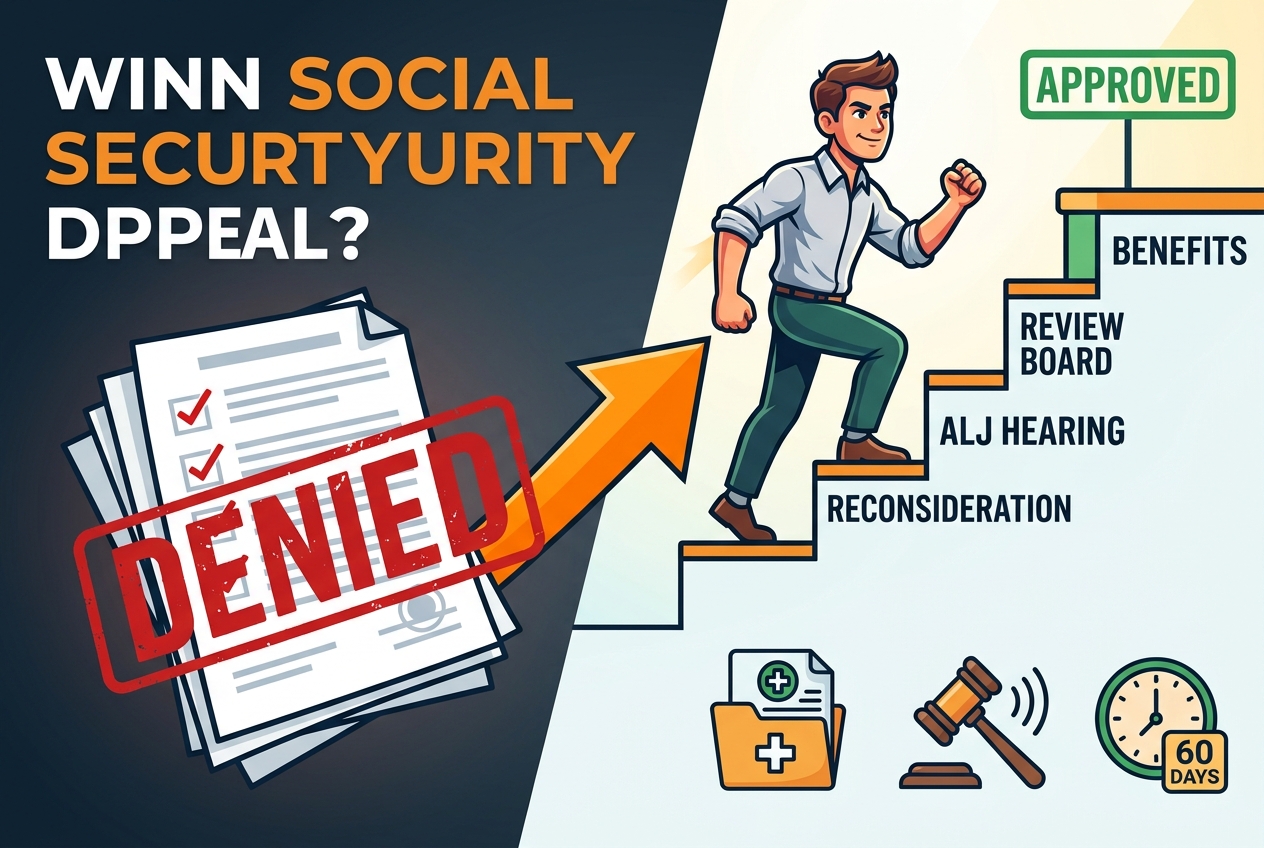
Keep Fighting Every Denial to Win Social Security Disability Benefits
Many Social Security Disability claims are initially denied because of missing medical records or incomplete applications. The key to success is to never give up after a denial—appeal promptly within 60 days, submit all necessary evidence, and continue through each appeal stage including hearings and reviews. Persistence and thorough preparation dramatically increase your chances of approval, even if the process takes a year or more.
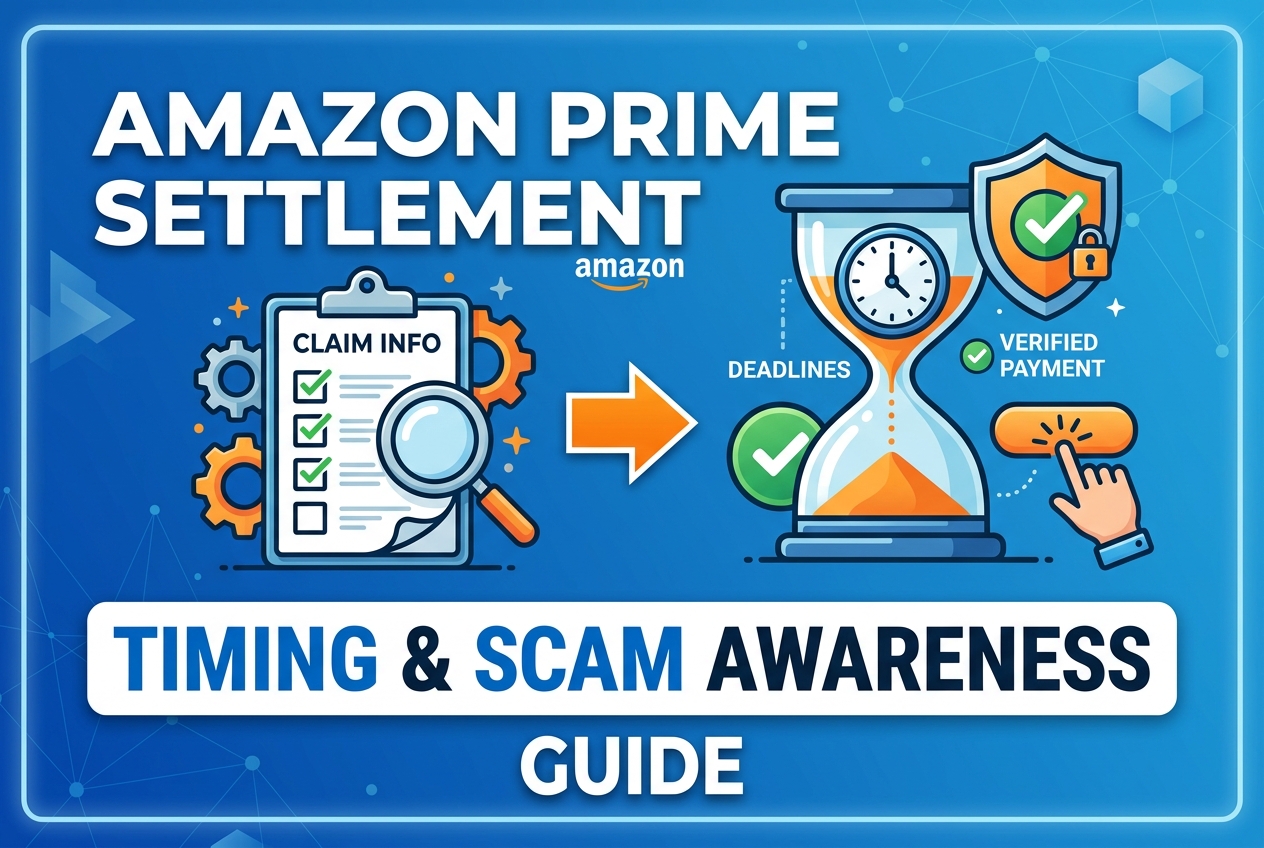
Amazon Prime Settlement Claims Demand Careful Timing and Scam Awareness
Filing a claim for the Amazon Prime settlement requires strict adherence to deadlines and understanding the complex cancellation process Amazon used. The steps differ on how to submit claims, the timing for eligibility, the impact of the deceptive cancellation flow, and how to avoid scams while selecting payout methods. Knowing these steps helps claimants act promptly and securely to receive potential refunds.

Call Your Lender First to Escape a Crushing Car Payment
High monthly car payments can feel impossible to manage, especially if your credit score is low or your loan balance exceeds your car’s value. Instead of accepting harsh terms or repossession threats, directly contacting your lender to discuss hardship programs or payment adjustments can open options that dealers and refinancing companies often overlook. This approach challenges the common belief that refinancing or trading in is the only solution and empowers you to regain control without worsening your financial situation.

Why Selling an Inherited House Can Stall Even After You Own It
Inheriting a house doesn’t mean you can sell it right away. Local legal hurdles like probate, title searches, and lien clearances create distinct pitfalls that can delay or block a sale. Understanding whether you’re stuck in court approval, tangled in ownership disputes, or facing hidden debts helps you decide the right path to clear the way for a smooth sale.

How to Handle a Midlife Inheritance When You’re Not Working
Receiving a midlife inheritance without a career brings unique challenges and opportunities that require careful financial and emotional planning. Approaches differ on managing taxes, building emergency funds, engaging professional advisors, and deciding how much financial control to maintain, especially within marriage or trust structures. Understanding these varied strategies helps you protect your wealth, address personal goals, and navigate complex rules without relying on traditional employment.

What Home Buyers Don’t See Can Cost Thousands
Buying your first home involves more than just the sticker price. Hidden costs range from unexpected repairs and special district fees to ongoing ownership expenses and complex closing charges. Understanding these different costs helps you budget realistically and avoid financial surprises after you move in.

When Your Car Insurance Payout Feels Too Low What Can You Really Do
Car owners often face disputes over insurance payouts after a total loss, especially regarding the actual cash value and diminished value of their vehicle. The methods for challenging these payouts vary widely—from invoking the appraisal clause to hiring independent appraisers, negotiating counteroffers, and understanding state-specific rules. This knowledge capsule reveals how each approach leads to different outcomes and what steps you can take to ensure a fair valuation.

How to Escape a Timeshare Without Falling for Costly Scams
Timeshare owners face serious risks like credit damage and collections if they stop payments without proper legal steps. This guide reveals the key differences among exit options, from legal rescission letters sent by certified mail to safe deed-back programs and resort direct returns. Learn how to spot and avoid exit scams demanding upfront fees and misleading settlement offers, so you can confidently choose a secure path out of your timeshare.

Meeting Deadlines and Using Data Win Property Tax Appeals
Property tax appeals often fail because homeowners miss strict deadlines or submit evidence too late. This approach insists on filing protests on time and backing claims with solid data like comparable sales to actually reduce assessments. By following these rules precisely, you avoid common pitfalls and increase your chances of winning your property tax fight.

Your Money’s Safety Depends on Spotting Hidden Risks and Life Changes
Personal finance is not just about budgeting or investing but also about recognizing how major life events and hidden dangers like fraud can drain your resources. Unlike the common focus on growth and returns, this approach stresses vigilance against scams, understanding the full costs of commitments, and managing virtual assets carefully. By adopting this mindset, you protect your wealth from unexpected losses and make smarter, safer financial decisions.

Executors Must Pay Debts First or Risk Personal Financial Ruin
Being an executor means handling estate debts and taxes before giving out assets to heirs. Many fail to prioritize creditor claims or meet deadlines, exposing themselves to personal liability. Following strict probate rules and acting as a loyal fiduciary protects executors from costly lawsuits and financial loss.

Rideshare Drivers Earn Much Less After Paying for Gas, Repairs, and Taxes
Rideshare and delivery drivers often see advertised earnings that ignore critical costs like gas, vehicle maintenance, insurance, and taxes. Platforms report only active trip miles, excluding other driving necessary for the job, which hides the true expenses drivers face. Recognizing these hidden costs reveals that drivers take home significantly less money than the apps suggest, reshaping how drivers should evaluate their real income.
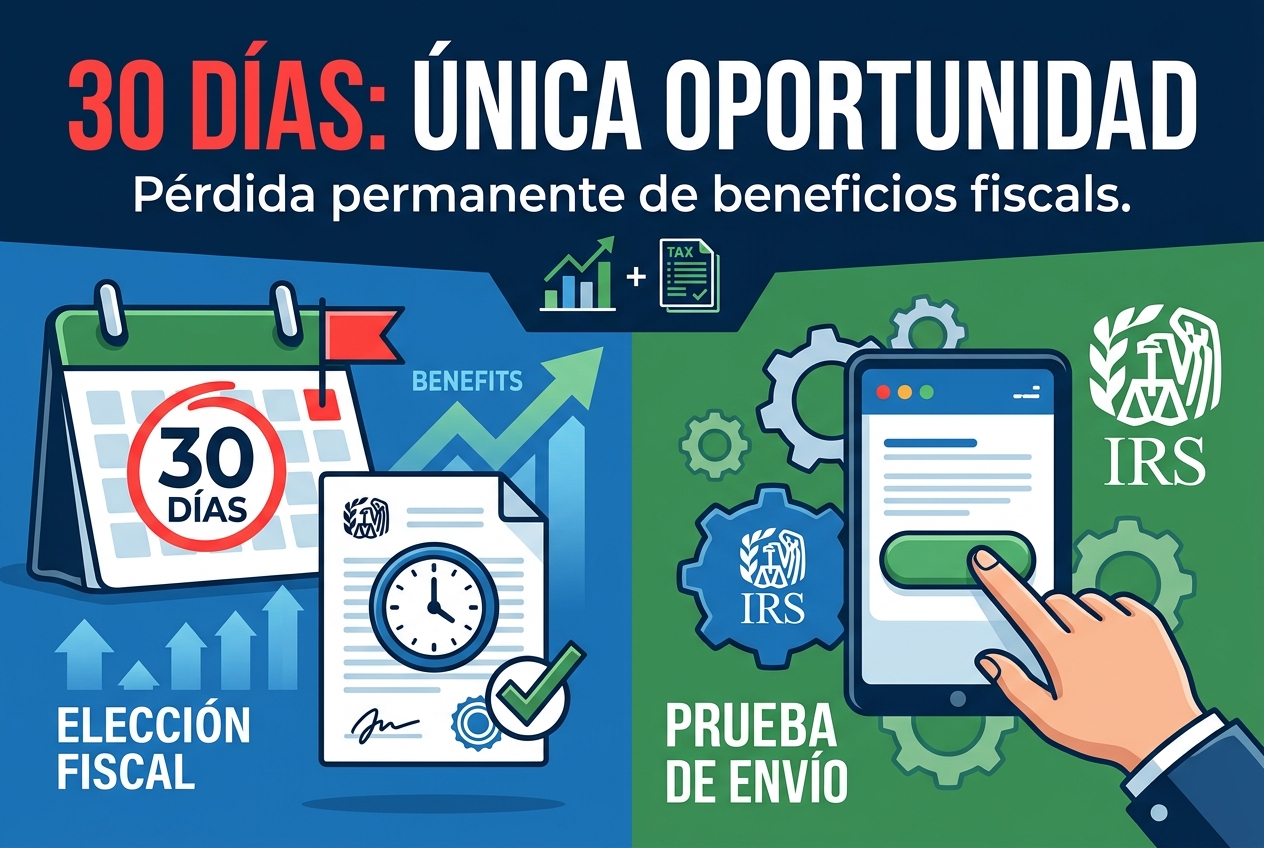
Missing the 30-Day Deadline for Startup Equity Taxes Means Losing Your Chance Forever
When employees receive startup equity, they must file a special tax election within 30 days or risk losing critical tax benefits permanently. Unlike common beliefs, there is no reliable way to file late or get an extension, so proof of timely filing is essential. This strict deadline means employees must act quickly and use official IRS channels with verified identity to protect their financial interests.
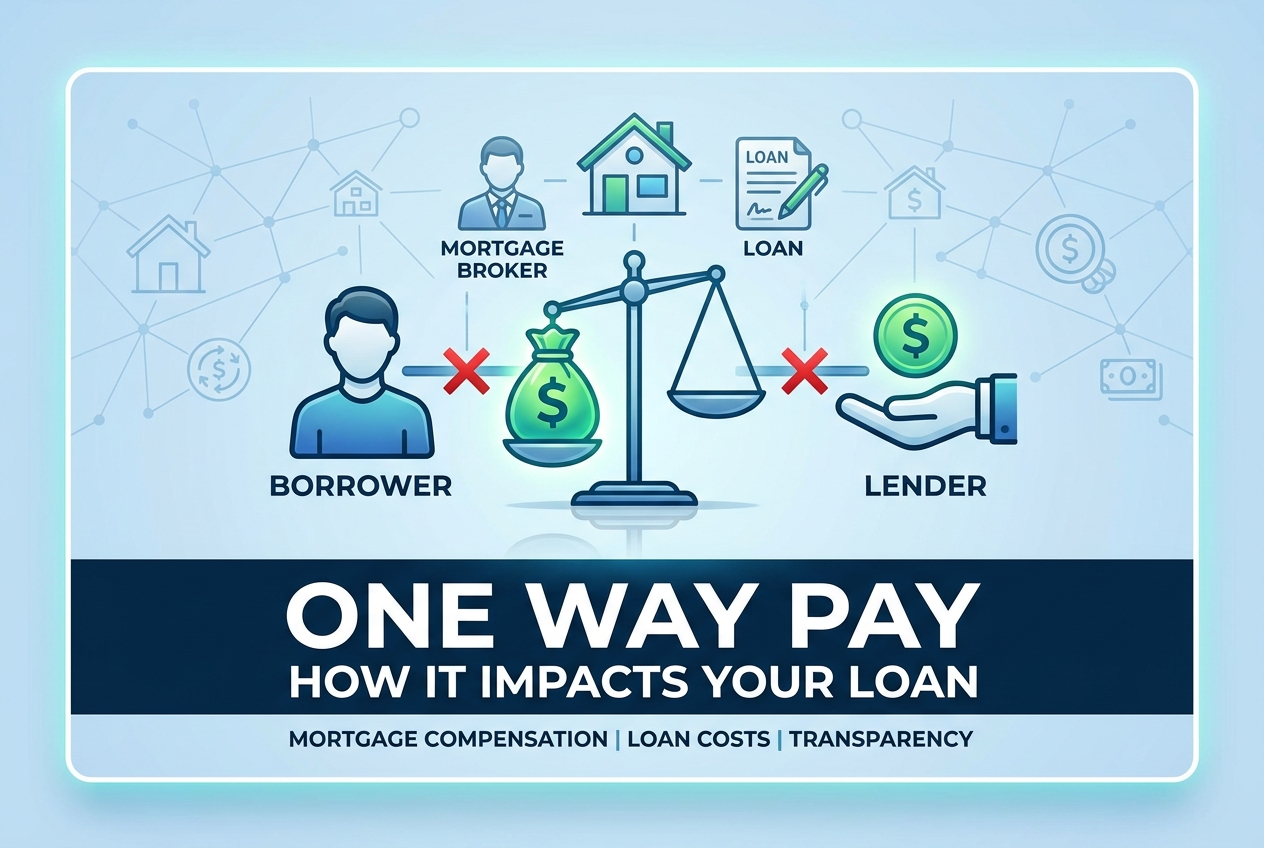
Mortgage Brokers Get Paid One Way Only, and That Affects Your Loan Cost
Mortgage brokers and loan officers are paid either by the lender or the borrower, but never both for the same loan, which directly impacts your loan pricing and fees. Unlike common belief, their compensation cannot depend on the loan's interest rate or steering you toward certain products, ensuring more transparent and fair practices. Understanding this payment structure helps you make smarter choices about fees and loan terms, especially when deciding how long you plan to stay in your home.
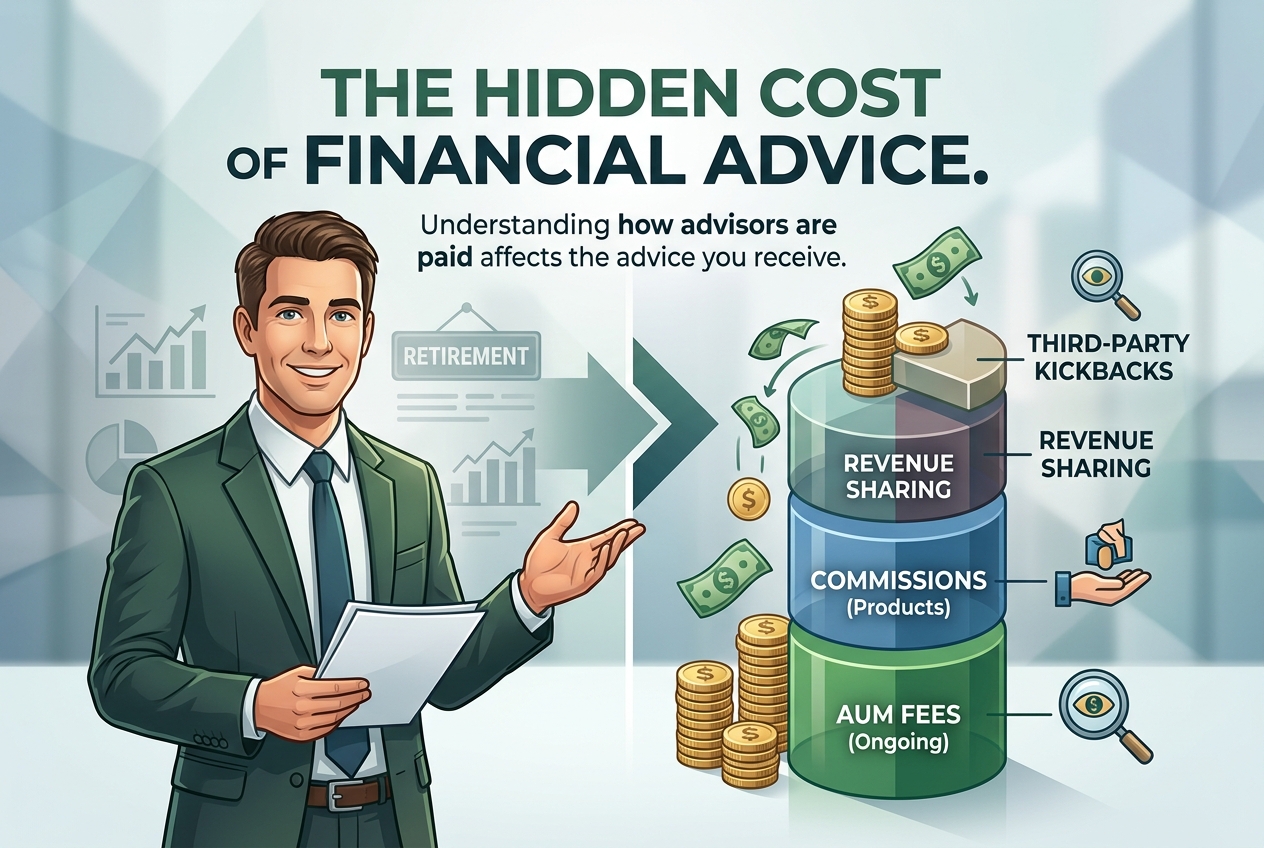
What Your Financial Advisor Isn’t Telling You About Their Pay
Financial advisors get paid in ways that can affect the advice they give, often without clients fully realizing the costs involved. Conflicts arise depending on whether advisors charge fees based on assets, earn commissions hidden in product prices, or operate under different regulatory models like RIAs or broker-dealers. Understanding these conflicts helps clients ask the right questions and make informed decisions about the true cost and incentives behind their financial advice.

Does Adding an ADU in California Pay Off After Fees and Financing?
Building or buying a home with an accessory dwelling unit (ADU) in California involves navigating complex rules on impact fees, fire safety requirements, and water permits that can significantly affect project costs and timelines. Financing options vary widely—from construction loans to using retirement accounts—with each approach carrying different risks and benefits. Understanding these options helps determine whether the investment makes financial sense given local regulations and market conditions.
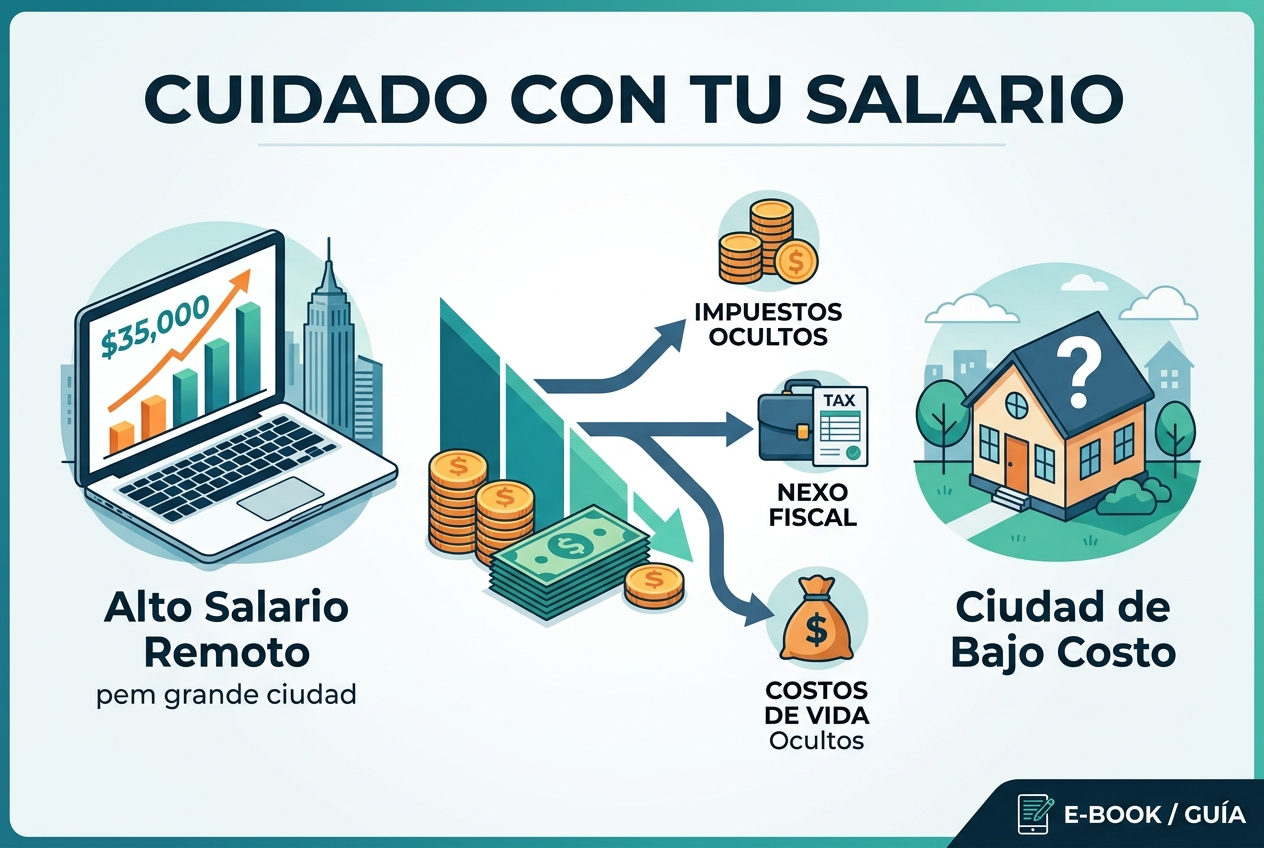
Why a Big Remote Salary Can Shrink in a Low-Cost City
Earning a high remote salary from a big city while living in a low-cost area can backfire due to hidden tax and lifestyle traps. These traps differ on how state and local taxes apply to remote work, including unexpected tax obligations from employer nexus and complex rules like New York’s convenience of the employer. Understanding these differences helps you avoid overpaying taxes and misjudging your true spending power.

Which States Truly Stretch Your Retirement Dollars and Health
Choosing the best state to retire in means weighing tax burdens, healthcare access, climate, and overall affordability together. Some states offer no income tax or tax breaks on retirement income, boosting financial flexibility for healthcare costs, while others excel in healthcare quality or climate comfort. This landscape reveals how states differ in balancing these pillars, helping retirees find where their money, health, and lifestyle thrive best.
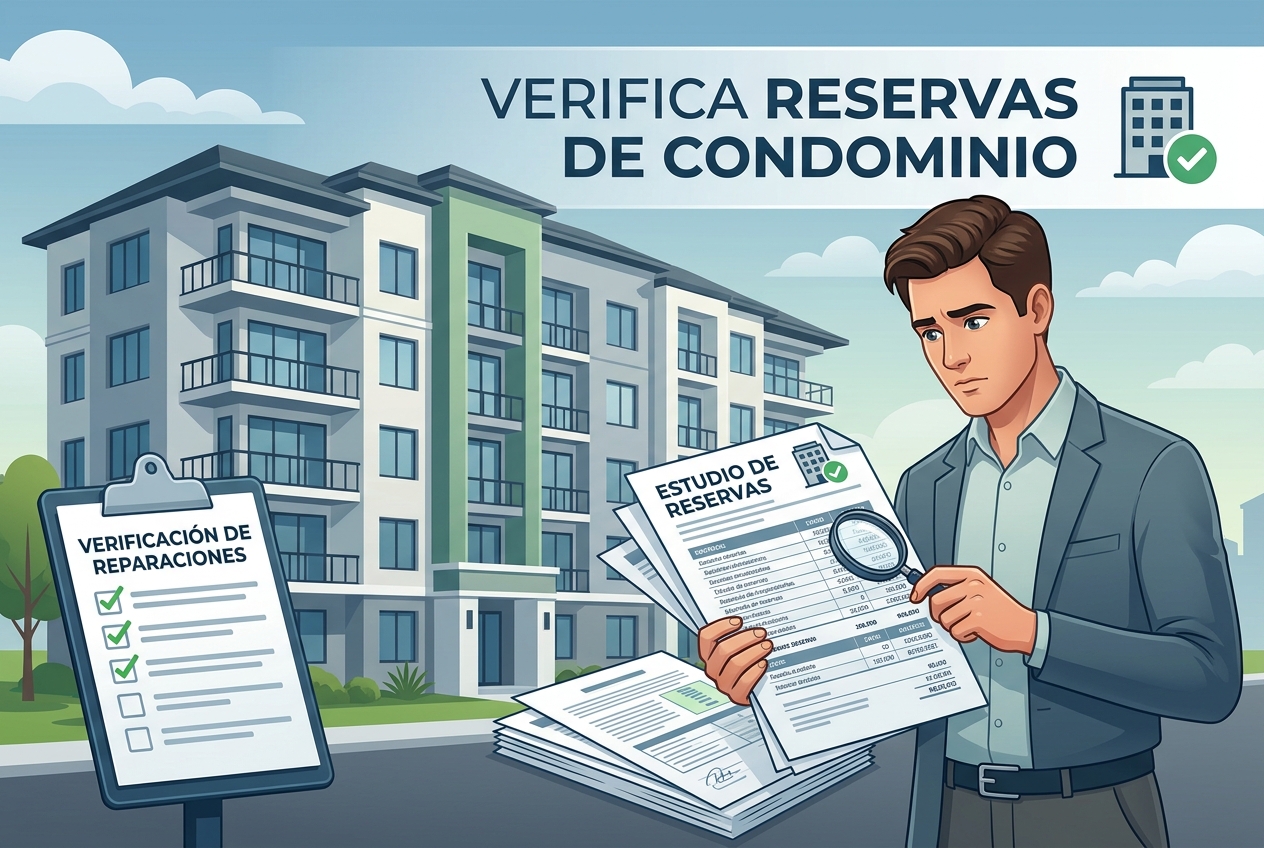
Buyers Must Check Condo Reserves and Repairs After Surfside Safety Laws
Buying a Florida condo now means facing stricter rules requiring associations to keep enough reserve funds for major structural repairs, driven by new laws after the Surfside collapse. Many condos may face large special assessments soon if reserves are underfunded or inspections reveal urgent issues, affecting financing and costs. Buyers should demand detailed reserve studies, inspection reports, and financial disclosures to avoid unexpected expenses and ensure the building’s safety and financeability.

Why Inheriting Your Parents' House Can Trigger a Costly Property Tax Surprise
Inheriting a home in California under Proposition 19 involves strict requirements that can lead to unexpected property tax reassessments if not carefully followed. The requirements differ on who qualifies as eligible family members, how long the relationship must last, strict filing deadlines for exclusion claims, and ownership transfer rules including LLC interests. Understanding these distinct requirements helps you avoid losing valuable tax benefits and facing a permanent reassessment trap.

Why Buying a Home in Hawaii Could Cost More Than You Think
Owning a home in Hawaii comes with hidden costs that vary dramatically depending on whether you buy leasehold or fee simple property. Leasehold ownership carries risks like losing access when the lease expires, financing challenges, and potential eviction without compensation, while fee simple offers full ownership but with its own expenses. Understanding these different costs helps you avoid surprises and make an informed decision about the true price of paradise.

Making Money Online Means Mastering Taxes or Managing Honey Sales
Earning income online involves two very different business realities: one focuses on strict tax compliance and financial tracking to avoid penalties, while the other centers on the practical facts of running a beekeeping business with high honey demand. Understanding these distinct steps helps creators decide how to handle income reporting, tax payments, and business operations to build sustainable revenue streams.

Why Tradespeople Face Hidden Money Risks No Apprenticeship Warns You About
Getting paid as a tradesperson or contractor involves more than just work done; it’s shaped by complex laws, union dynamics, and emerging challenges like AI displacement. This topic reveals how union rules, legal classifications, mental health trends, and industrial shifts create very different financial realities depending on where and how you work. Understanding these distinct perspectives helps you spot risks and opportunities that traditional training never covers.
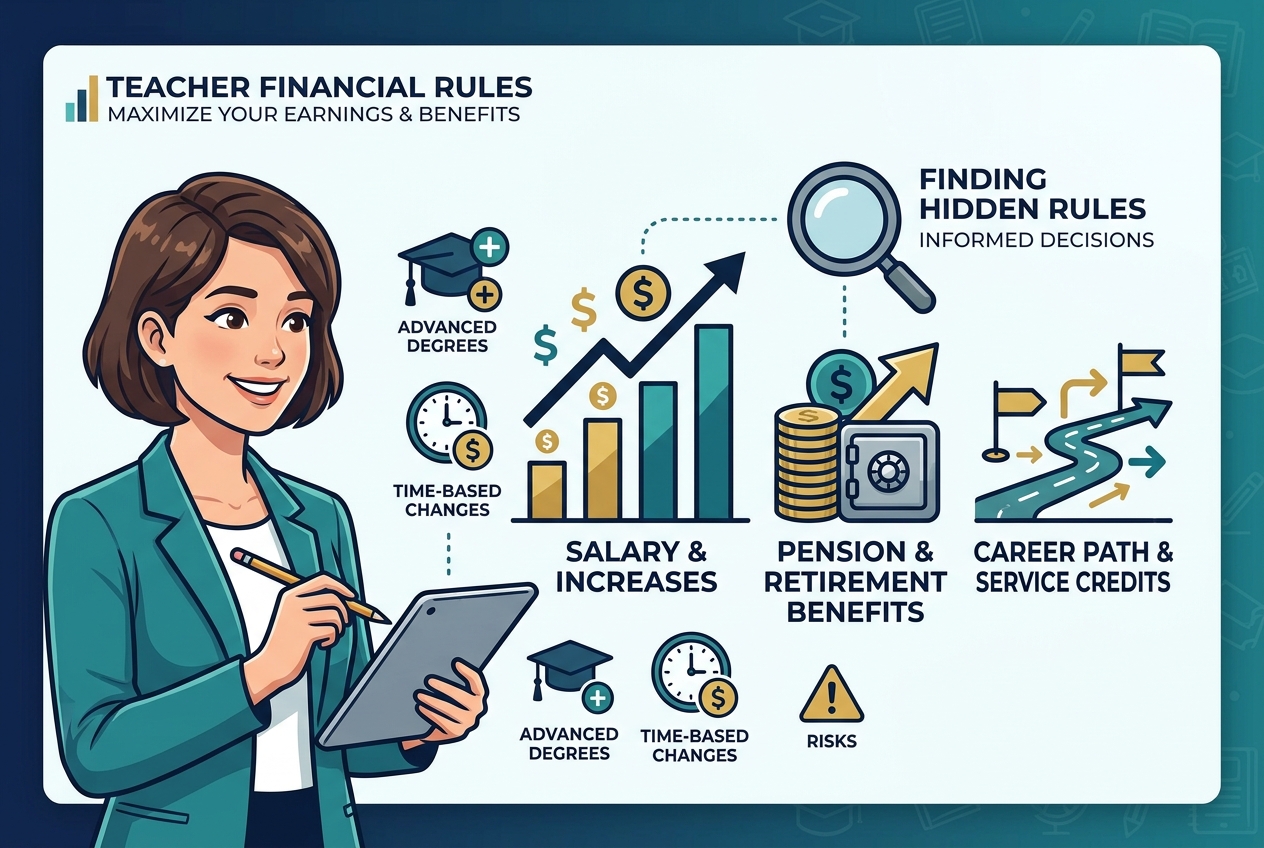
What New Teachers Don’t Know About Money and Career Rules Can Cost Them
New teachers face hidden rules about pay raises, retirement benefits, and service credits that can dramatically affect their financial future. These rules differ on how salary increases depend on degree credits, when lane changes take effect, and the risks of leaving before retirement eligibility. Understanding these rules helps teachers make informed decisions about advanced degrees, service purchases, and career moves to maximize earnings and benefits.

When Insurance Disappears, What Does Buying a Home in Fire or Flood Zones Really Require
Buying a home in wildfire or flood-prone areas demands navigating two very different sets of requirements that reflect practical safety measures and evolving climate risks. One approach focuses on compliance with defensible space rules, elevation standards, and mandatory flood insurance tied to federal loans. The other addresses the shrinking insurance market, pushing buyers toward fallback options like the California FAIR Plan and private flood policies. Understanding these contrasting requirements helps homebuyers decide how to protect their investment and meet lender mandates amid rising disaster risks.

Leaving California to Avoid Income Tax Costs More Than You Think
Many consider moving out of California to escape its high state income tax, but this decision often overlooks hidden financial and personal costs. While avoiding the tax can seem appealing, the broader expenses of relocation, lifestyle changes, and potential loss of benefits can outweigh the savings. Understanding these factors helps you make a more informed choice rather than assuming a simple tax escape.

Rising Insurance and Climate Risks Make Renting Safer Than Buying in Miami
Soaring insurance premiums and unpredictable climate threats are reshaping the financial reality of owning property in Miami. Unlike traditional views that favor buying, the sharp rise in insurance costs and flood risks can push mortgage payments beyond affordability and threaten property values. Renters avoid these escalating expenses and uncertainties, making renting a more financially sound choice in this high-risk environment.

Should You Buy or Rent in New York City, and What’s the Real Difference?
Deciding between buying a co-op, a condo, or simply renting in New York City involves understanding distinct rules, costs, and approvals. This guide reveals how board approvals, tax obligations, rent controls, and lease terms shape each option, helping you weigh the true financial and lifestyle impacts. Explore how proximity, commute, and even building conditions influence your best choice in the city’s complex housing market.

Is Buying a Home on a Tech Salary Worth It in San Francisco
Deciding whether to buy or rent in the San Francisco Bay Area on a tech salary involves weighing high ownership costs against renting savings and long-term financial assumptions. Approaches differ on how to model expenses like property taxes, mortgage interest, and opportunity costs, and whether to factor in personal safety nets or expert real estate guidance. Understanding these varied approaches helps clarify when buying makes sense despite the steep price gap and when renting remains the smarter choice.

When Taxes Get Tricky with Freelance Work, Moving, and Crypto Sales
Filing taxes becomes complex when freelance income, moving between states, or selling stocks and cryptocurrency come into play. Different tax topics show how capital gains, residency rules, and reporting requirements vary, affecting what you owe and when. Understanding these differences helps you handle taxable events properly, avoid costly mistakes, and decide how to report income and losses across states and asset types.
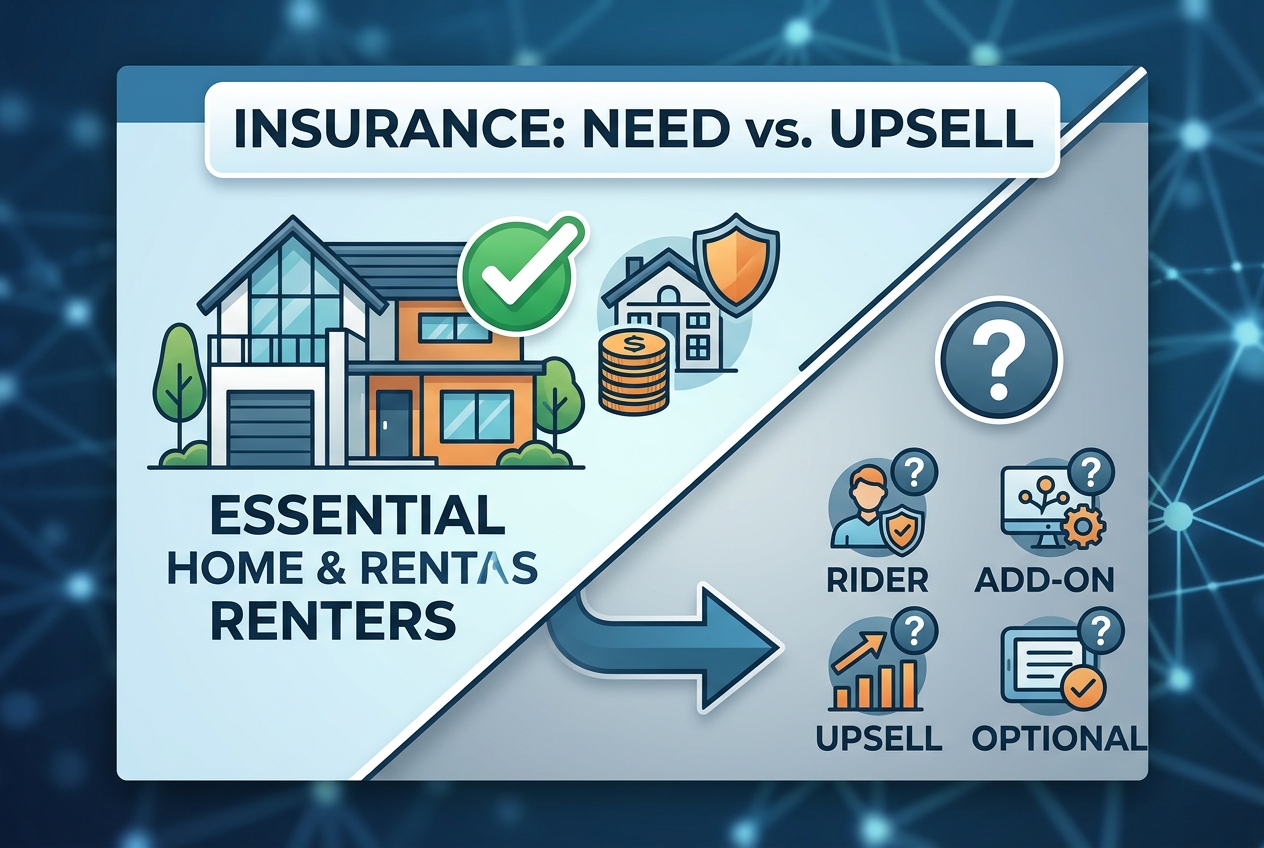
What Home and Renters Insurance Coverages Do You Really Need and When Is It Just an Upsell
Home and renters insurance coverages differ sharply between essential protections against sudden damage and optional extras that may not be cost-effective. This coverage landscape helps you distinguish necessary policies like rebuild cost and liability from upsells such as riders or add-ons that only pay off under specific risks. Understanding these differences empowers you to choose coverage that matches your living situation and financial priorities without paying for unnecessary extras.

How to Buy a Used Car Without Falling for Common Dealer and Seller Tricks
Buying a used car today requires more than just picking a model; it demands careful strategies to avoid costly mistakes. Different approaches focus on understanding depreciation, mastering financing details, patiently navigating the buying process, spotting dealer upsells, and inspecting tires and mileage to detect hidden problems. Knowing these strategies helps you decide when to buy, how to finance smartly, and what red flags to watch for, ensuring you get a fair deal without surprises.

First-Time Home Buying Works Best When You Follow a Clear Step-by-Step Timeline
Buying your first home is not just about costs but about following a precise process that starts with knowing why you want to buy and ends with closing and moving in. Many buyers focus too much on price and overlook the importance of pre-approval, setting a backward timeline from the move-in date, and preparing for inspections and negotiations. By adopting a timeline-driven approach, you can act quickly, avoid surprises, and secure the right home with confidence.

How to Talk Money and Care with Aging Parents Before It’s Too Late
Discussing money and care with aging parents before a crisis helps avoid confusion and conflict later. The steps differ on how to organize important documents, set ethical boundaries, and prepare legally and financially for future needs. You’ll learn how to gather and secure critical information, plan for long-term care costs, and ensure smooth access to accounts and decisions when the time comes.

Should Couples Pool All Their Money or Keep Some Separate
Couples face a key choice in managing money together: fully joint finances, completely separate accounts, or a hybrid system blending both. These approaches differ on how to balance shared goals like emergency funds and bills with personal spending autonomy. Understanding each approach helps couples build financial stability, reduce conflict, and align their money management with their relationship dynamics.
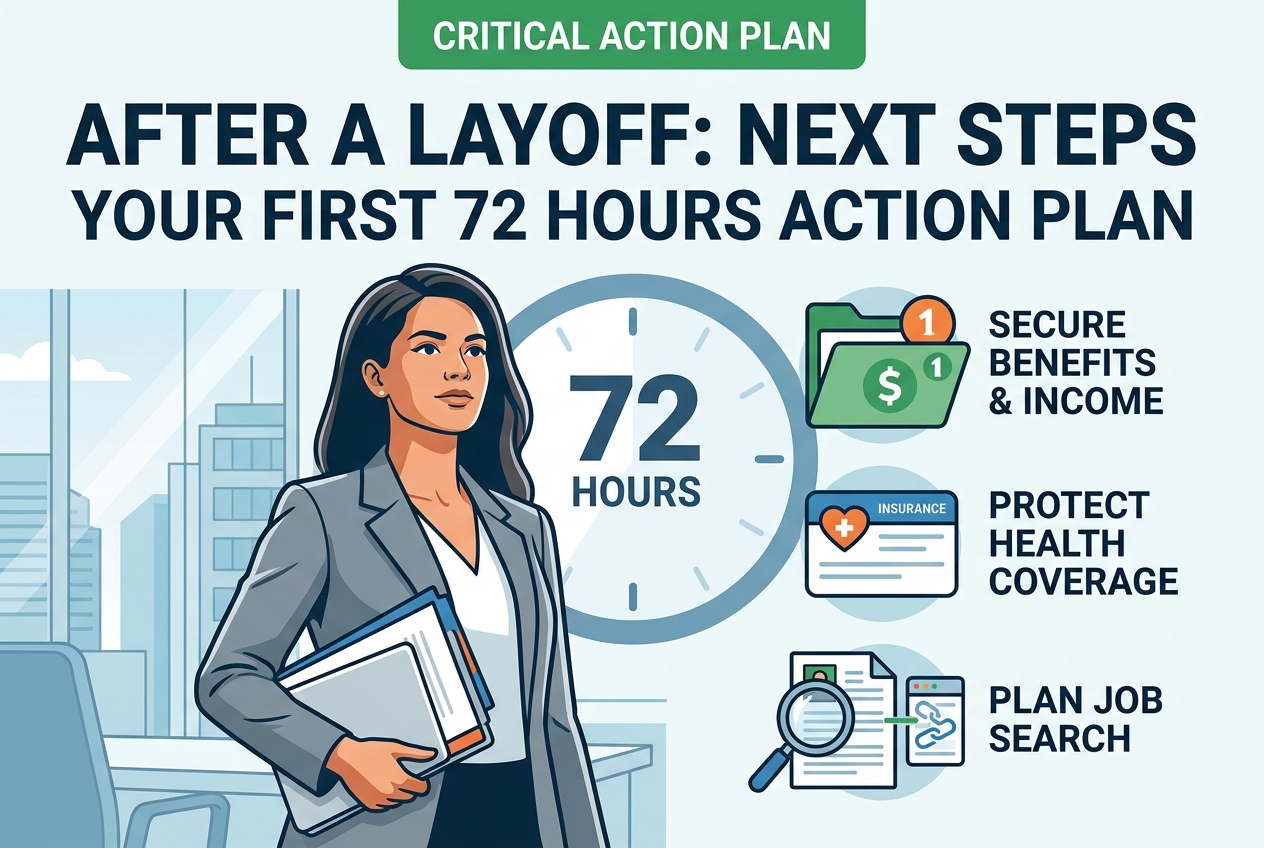
What to Do Right After a Layoff to Protect Your Health and Income
The first 72 hours after a layoff are critical for securing your financial and emotional well-being. Tasks differ on how to quickly arrange health insurance, file for unemployment benefits, gather essential documents, and balance job search efforts with self-care. Understanding these distinct tasks helps you avoid costly mistakes like missing COBRA deadlines and sets a clear path for recovery and future planning.
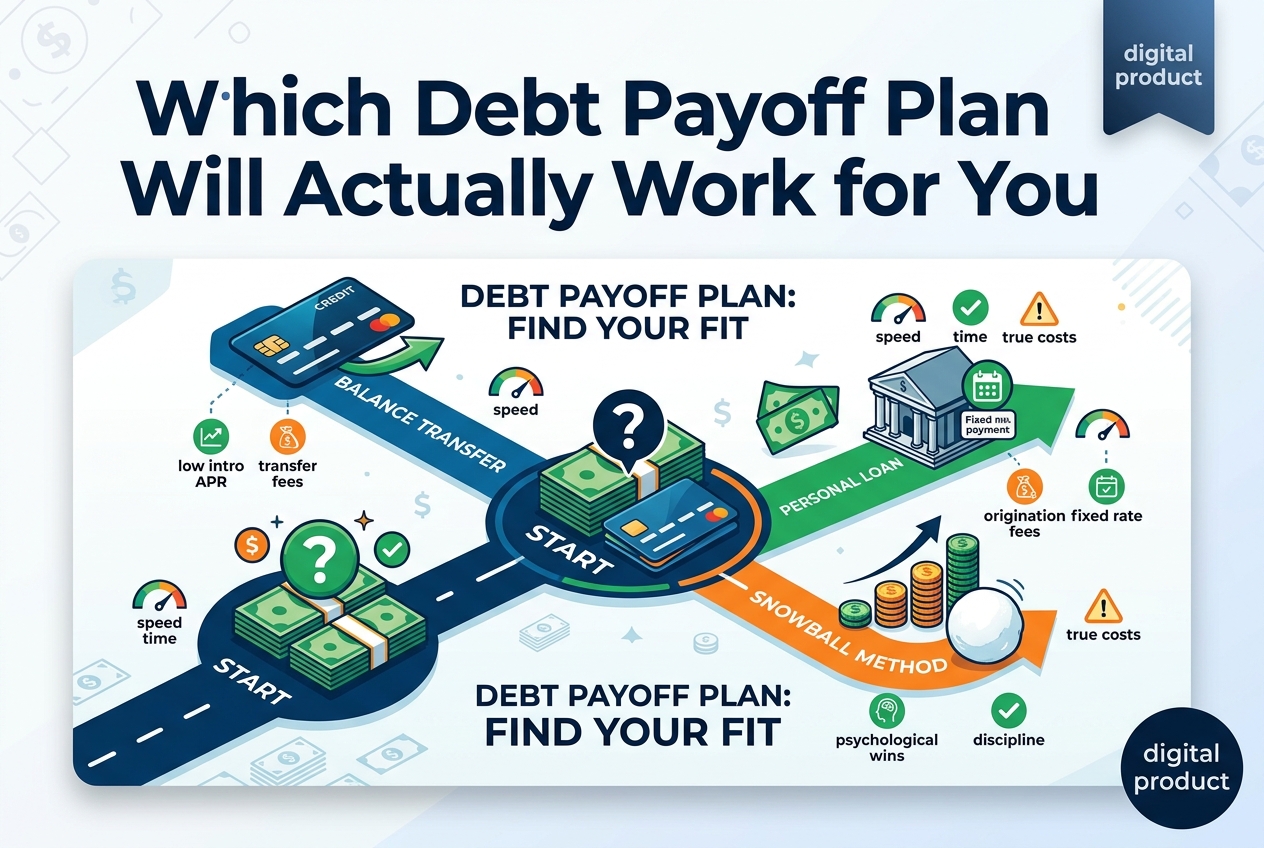
Which Debt Payoff Plan Will Actually Work for You
Choosing how to consolidate debt means weighing true costs, personal habits, and timing. Options like balance transfers, personal loans, or the snowball method differ in fees, discipline required, and risk of overspending. Understanding these differences helps you pick the option you can realistically follow through on to clear debt without adding new burdens.
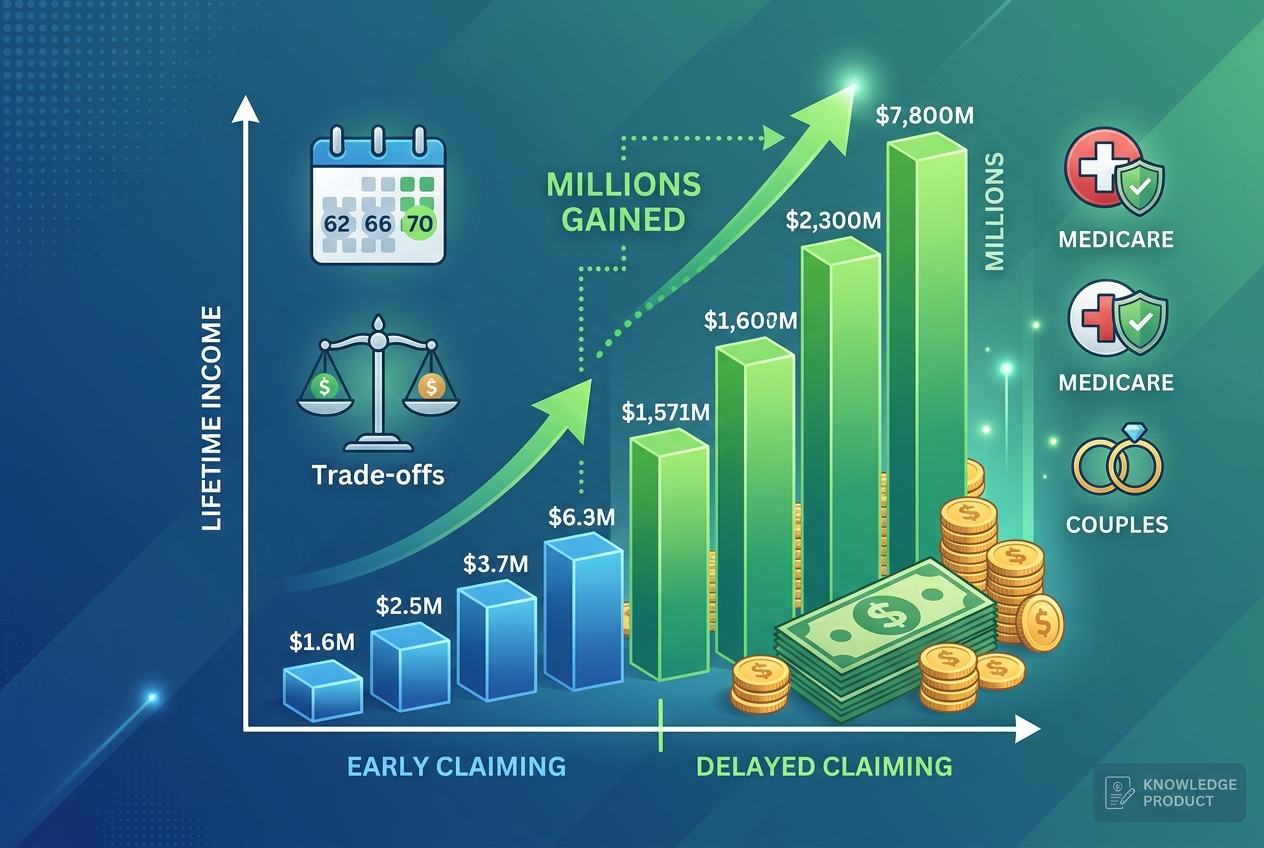
When to Claim Social Security Could Change Your Lifetime Income by Millions
Deciding when to claim Social Security affects your monthly benefit, total lifetime income, and eligibility for Medicare. Different claiming ages create trade-offs involving break-even points, investment opportunity costs, and family benefits, especially for couples. Understanding these differences helps you or your parent choose the claiming age that best fits expected lifespan, health coverage needs, and financial goals.
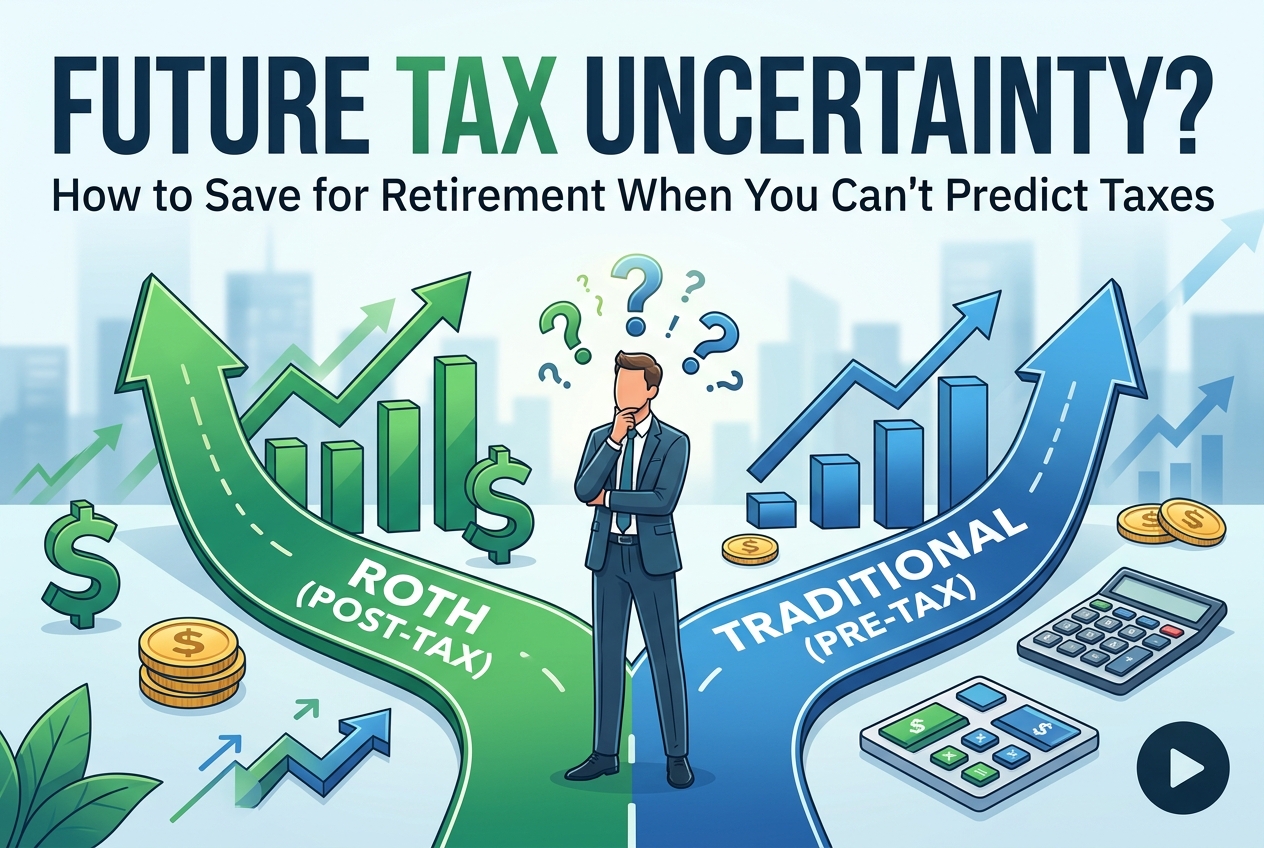
When You Can’t Predict Taxes, How Should You Save for Retirement
Choosing between Roth and traditional retirement contributions is complicated by the uncertainty of future tax rates and personal circumstances. Strategies differ on whether to focus on tax bracket predictions, use probabilistic trade-offs, adapt plans over time, maximize employer matches, or navigate IRA rules to avoid costly mistakes. Understanding these approaches helps you decide how to balance tax risks and benefits without relying on precise forecasts.

When Paying Off Student Loans Beats Betting on Forgiveness
Student loan borrowers face a complex landscape where aggressive repayment, income-driven plans, and hopes for forgiveness collide. Legal challenges have halted popular forgiveness programs, forcing borrowers to weigh guaranteed savings from paying down debt against uncertain relief options. Understanding how these strategies differ in risk, cost, and timeline helps borrowers choose the best path amid ongoing policy changes.