
CapxuleHub Food & Cuisine
par CapxuleHub Food & Cuisine · Inscrit le mai 2026
Capsules

How Big Sugar Hijacked the 1977 Dietary Guidelines
This is the story of how industry money shaped what a nation was told to eat. Sugar-funded research redirected blame away from sugar, lobbying produced grain-heavy guidelines, and warnings on saturated fat were quietly softened. Follow the evidence and decide how much of the advice you grew up with still holds.

Who Really Owns Falafel?
Falafel sits at the center of a heated fight over food, identity, and history across the Middle East. The claims range from an Egyptian origin story to falafel as a political symbol, with migration and diaspora complicating any single nation's case and a strong argument for shared heritage. Follow where the evidence actually points and reach your own verdict.
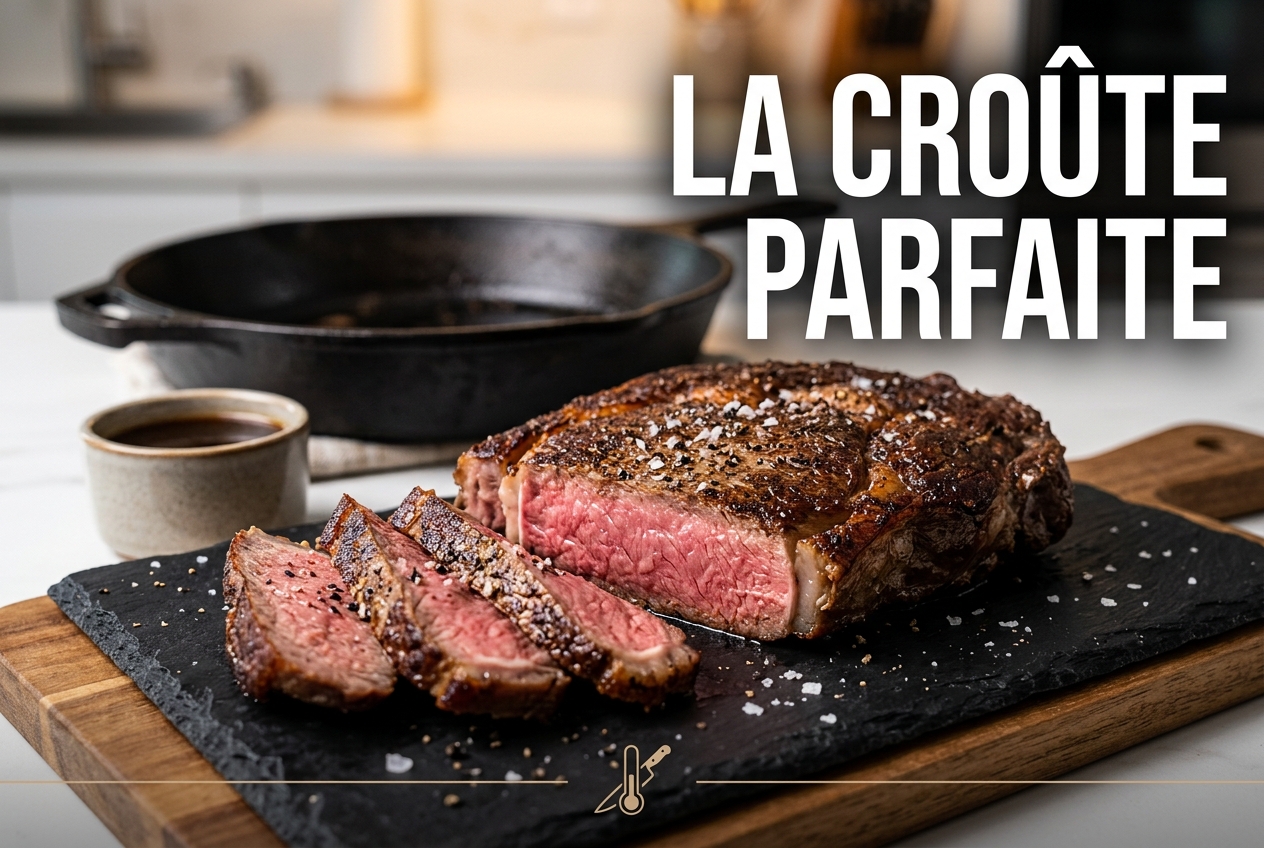
A Dry Surface and Ferocious Heat Make the Steak
The crust everyone chases starts before the pan, with a bone-dry surface and heat most home cooks are afraid of. The methods split between equipment-first routes like sous vide and technique-first ones like the reverse sear, with temperature science and carryover resting deciding the interior. Choose the path that fits your kitchen and stop guessing at doneness.
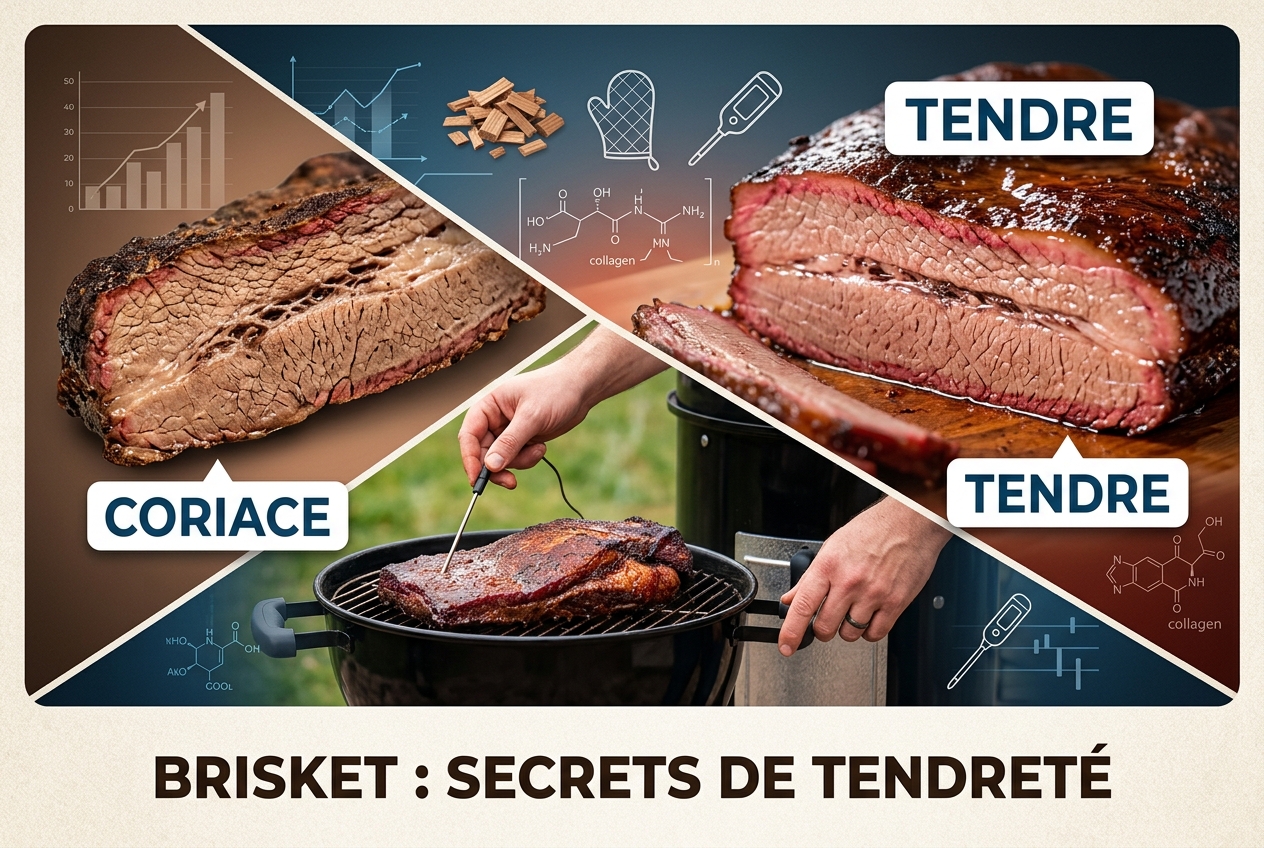
Why Your Brisket Turns Out Tough and Theirs Doesn't
Great barbecue lives or dies on hours of low heat, and small choices decide whether brisket melts or chews. The factors range from wood pairing and moisture control to the wrap phase, brining, and the chemistry behind the smoke ring, with tradition and food science parting ways on several. Weigh what actually produces tender, safe meat and match the method to your smoker.
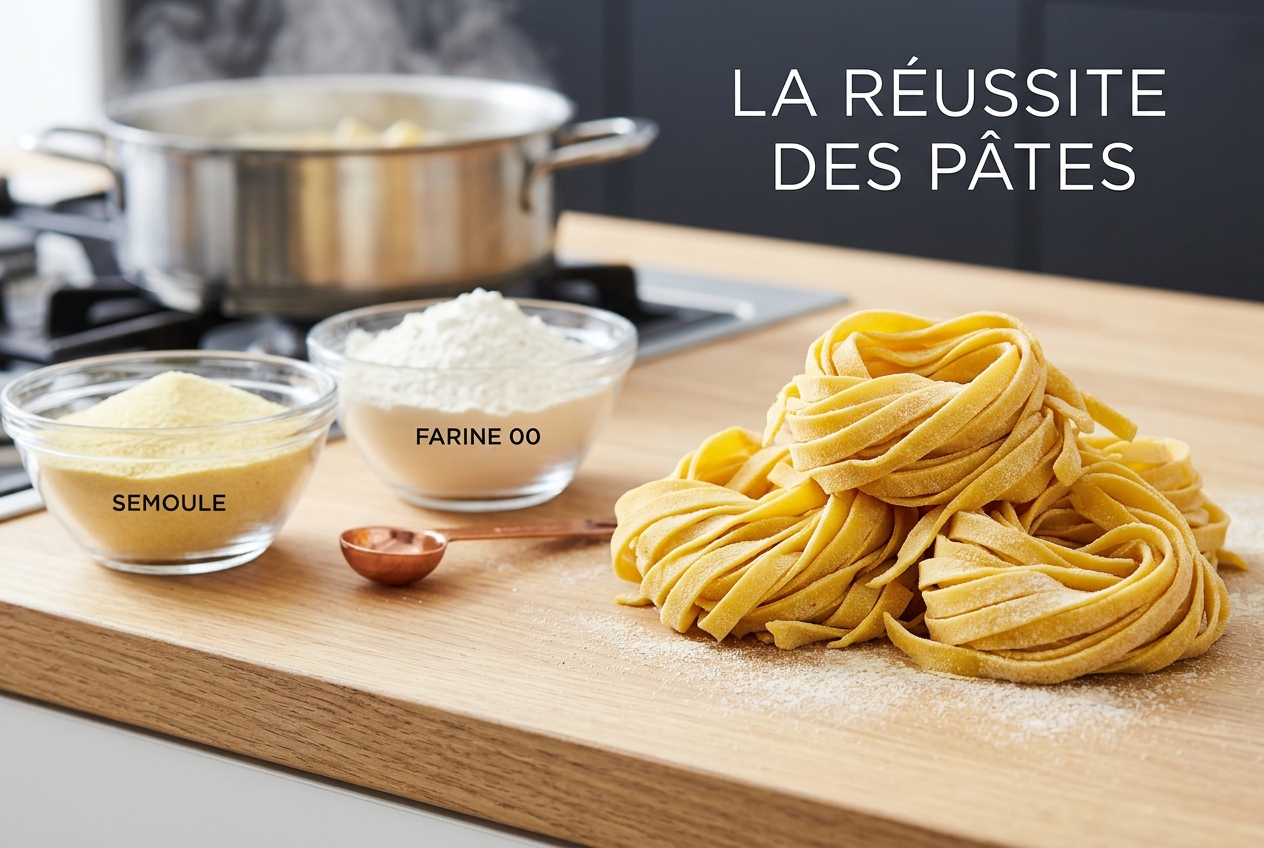
The Difference Between Fresh Pasta and a Sticky Mess
Fresh pasta succeeds or fails on choices made before the water ever boils. The elements run from semolina versus 00 flour and precise hydration to resting time and rescuing gluten-free versions, with tradition-first and technique-first camps parting ways on what defines texture. Match the method to the pasta you want on the plate.
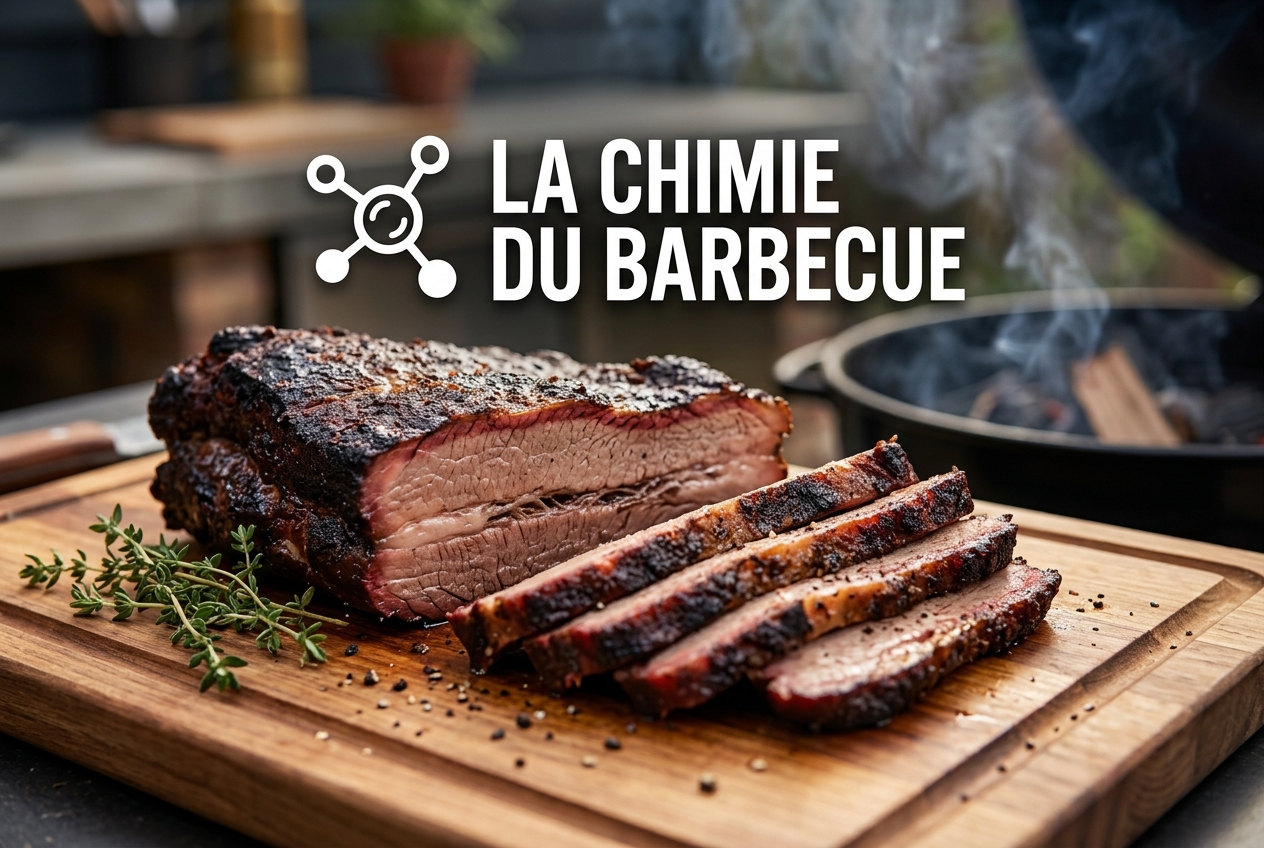
The Chemistry That Separates Tender Ribs from Shoe Leather
Tender brisket and ribs come down to chemistry: collagen breaking down at the right temperature, pH steering the bark, and partial combustion painting the smoke ring. The factors cover heat management, membrane removal, and the safety rules that keep long, low cooks from going wrong. Understand the reactions and you can steer them instead of hoping.
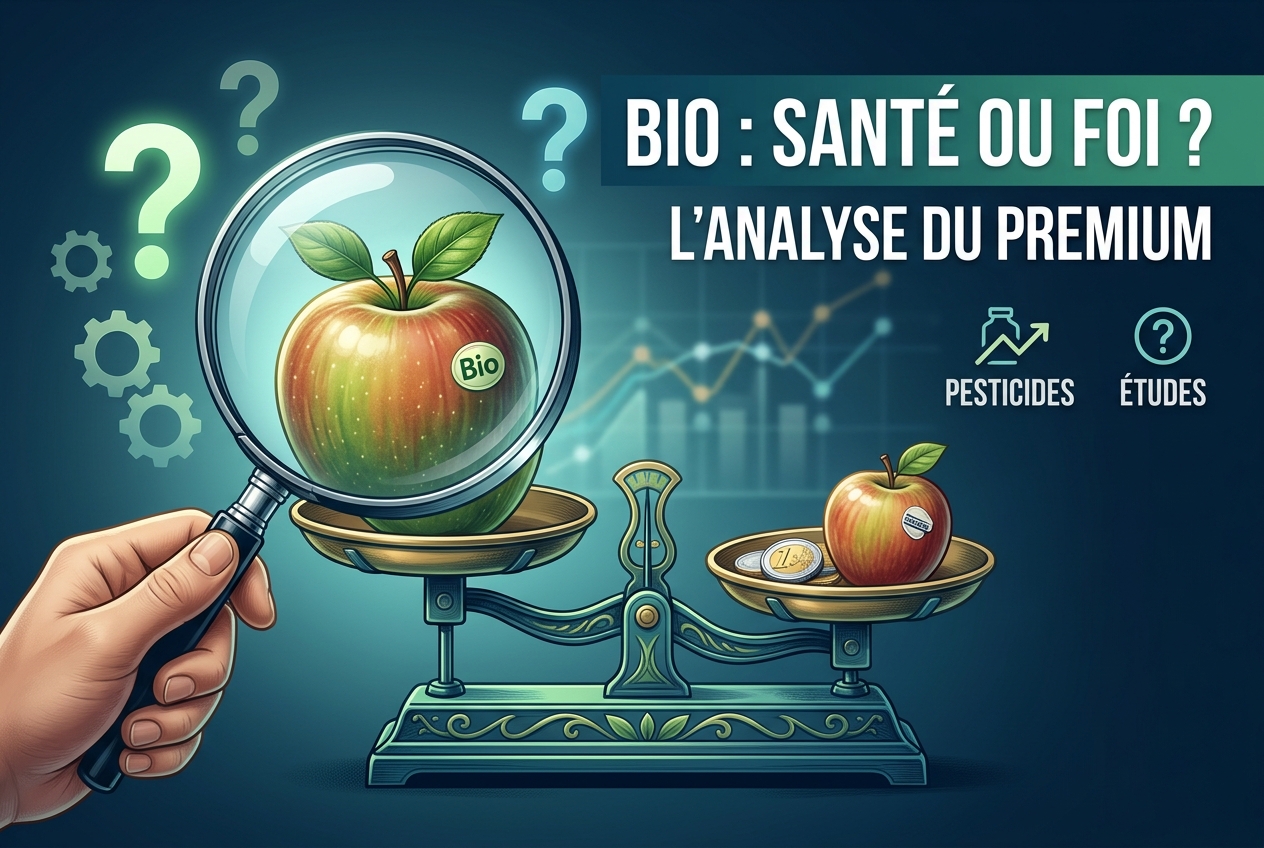
Is the Organic Premium Actually Buying You Health?
Paying extra for organic rests on health claims the evidence struggles to settle. The views split over how reliable pesticide residue data is, whether exposure during critical developmental windows changes the risk picture, and whether the studies behind the claims hold up to scrutiny. Decide how much of the premium is protection and how much is faith.

How One Letter Made the World Fear MSG
A single 1968 letter to a medical journal helped launch fifty years of fear about MSG. The views clash over whether the panic was a baseless mistake, a product of anti-Asian bias, or a warning about real health risks that science has yet to close. Trace how the scare spread and decide for yourself what belongs in your food.
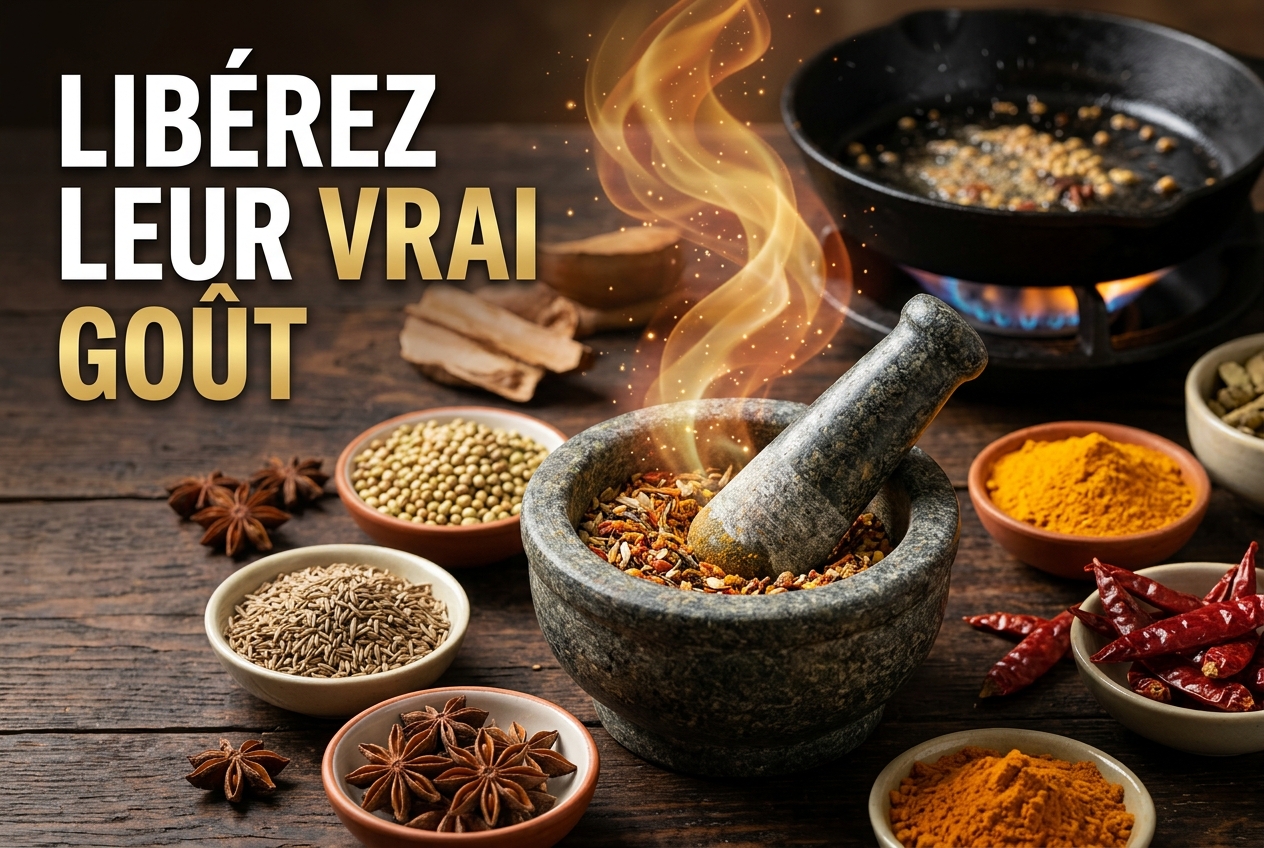
Methods for Coaxing Real Flavor Out of Indian Spices
The same spices can taste flat or vivid depending on how you treat them before they hit the plate. These methods differ on dry-roasting whole spices, blooming ground ones in hot oil, controlling tempering temperature, and understanding the chemistry that makes spice oils potent and sometimes unsafe. Learn them to build layered, authentic flavor safely.

Your Coffee Problem Might Be the Water, Not the Beans
If your brew never tastes like the cafe's, the water is the suspect most people ignore. The factors pull in different directions: adding minerals back after purification for flavor, keeping hardness down to protect taste and equipment, and balancing pH for proper extraction. Test what comes out of your tap and match the fix to it.
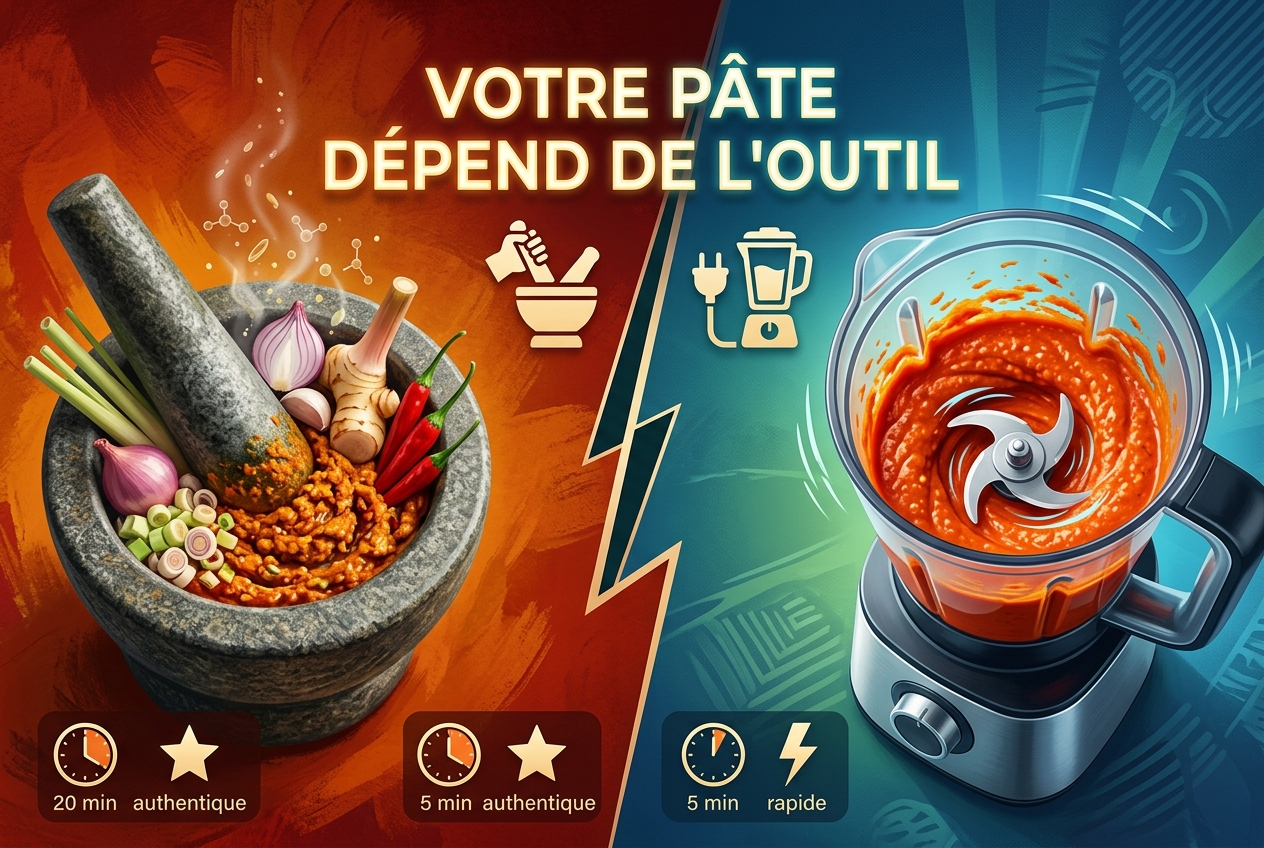
The Mortar and the Blender Make Different Curry Pastes
The tool you use changes the paste: hand-pounding coaxes out aromas that a blender's speed cannot match, but the blender wins on weeknight reality. These methods split on pounding versus blending, fresh versus store-bought, exact ingredient order versus season-to-taste, and whether to refrigerate briefly or freeze in small portions. Where you land depends on how much authenticity you want per minute of effort.
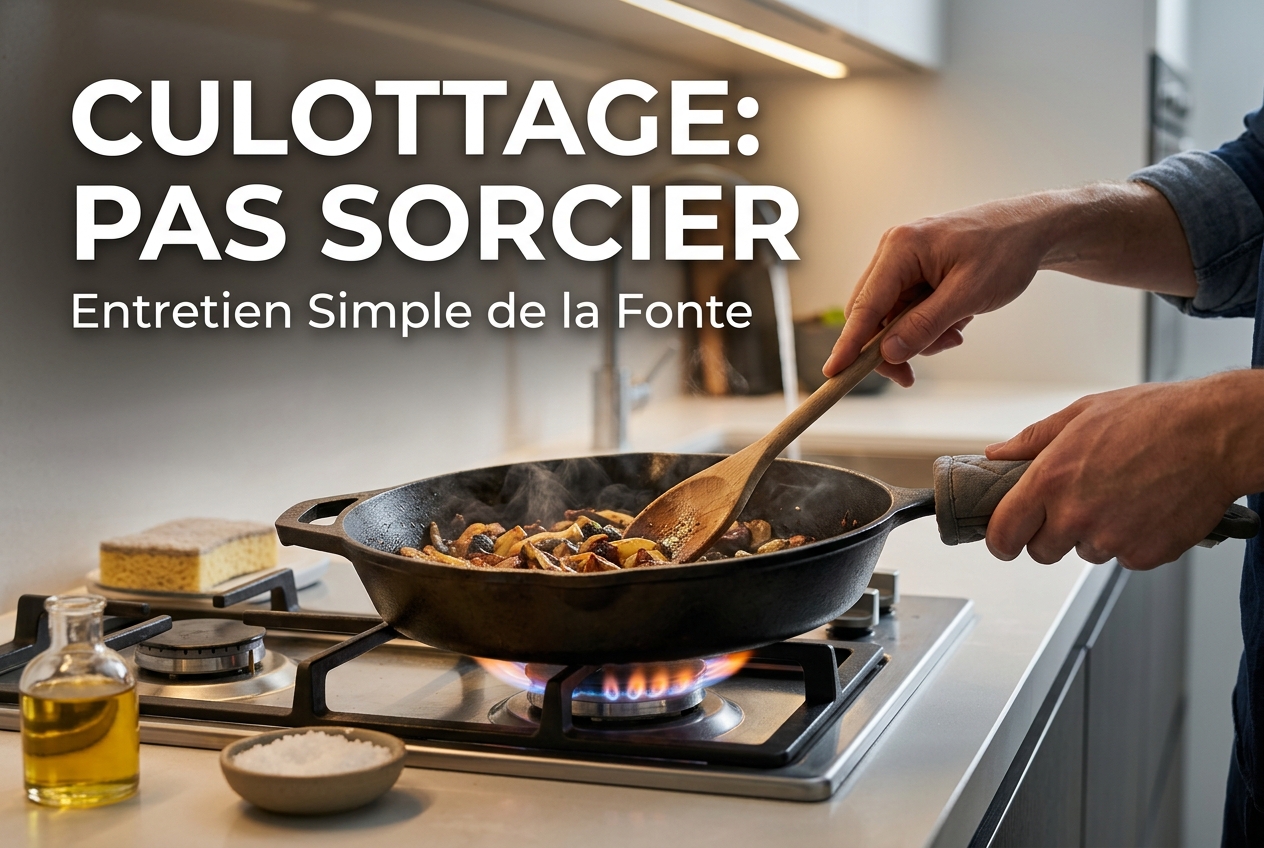
Your Cast Iron Pan Needs Less Babying Than You Think
Elaborate seasoning rituals and strict no-soap rules built a mythology around cast iron that the chemistry does not fully support. Knowing what the pan actually needs, and what it shrugs off, turns a high-maintenance heirloom into an everyday tool.
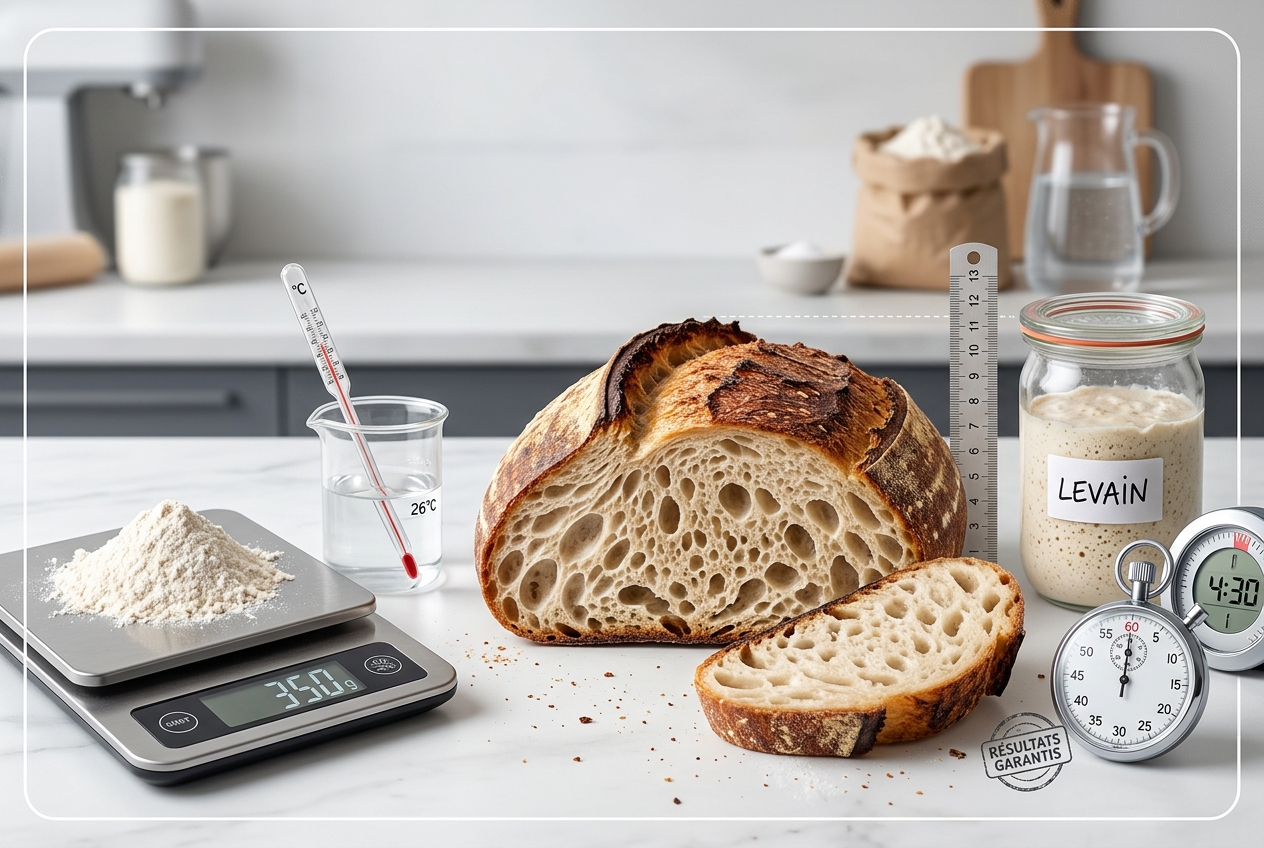
Precise Measurements and Timing Guarantee Perfect Sourdough Every Time
This approach insists that exact temperatures, ingredient ratios, and fermentation times are essential to mastering sourdough baking, challenging the common belief that intuition and guesswork suffice. By following specific formulas for water temperature, starter maintenance, and fermentation schedules, bakers can reliably produce consistent, high-quality bread. Adopting these precise techniques transforms sourdough baking from a trial-and-error craft into a predictable, repeatable process.

The Picky Eater Standoff at Your Dinner Table
Pressuring a child to eat often backfires, yet total freedom has its own costs. The real fight is over who decides what and how much gets eaten, and where you draw that line shapes mealtimes for years.
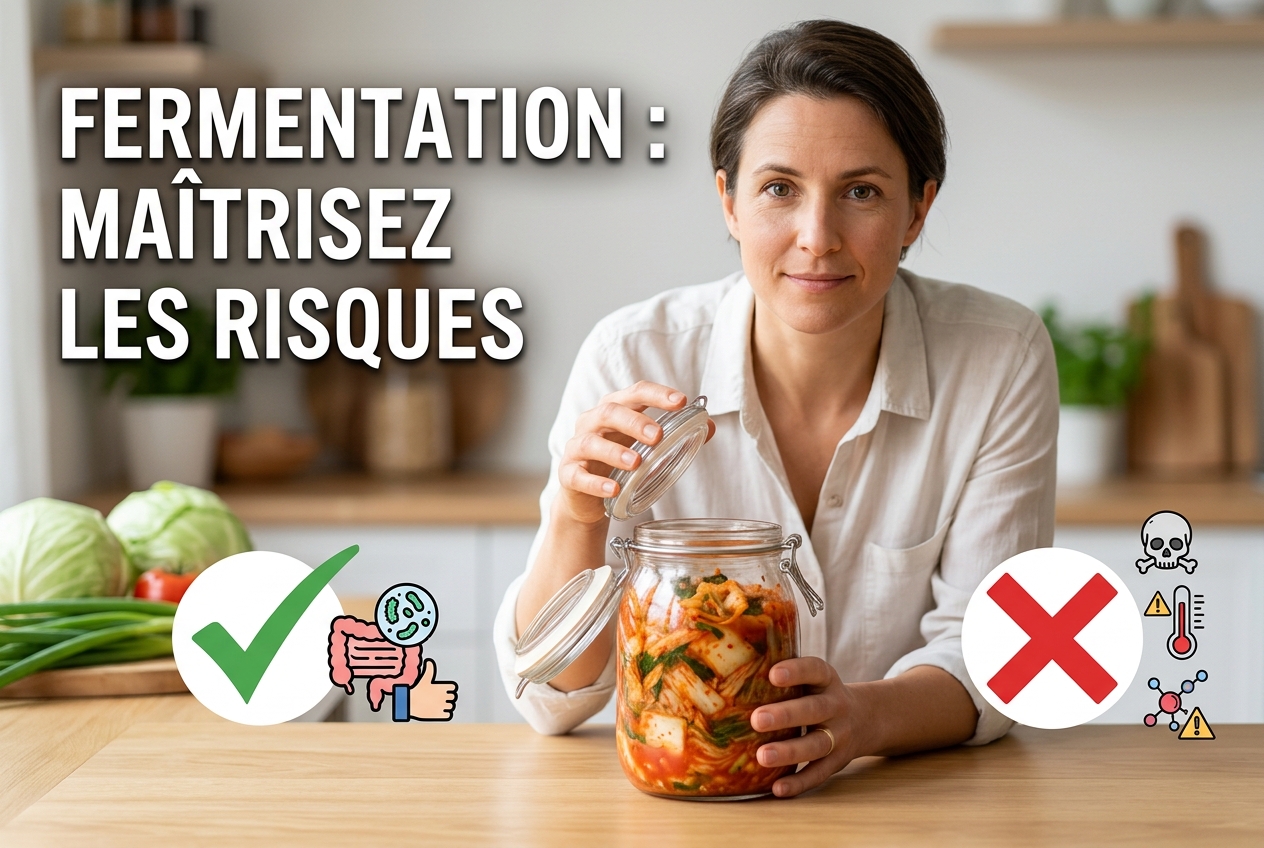
Is Your Homemade Kimchi Helping or Hurting You?
Home fermentation promises live cultures and gut benefits, but done wrong it carries real risks, especially for people with weakened immune systems or histamine intolerance. The approaches here differ on how strictly to control salt ratios and technique, who should skip ferments entirely, and whether live homemade batches truly beat processed versions. Learn where the real dangers are so you can brew and pickle with confidence.
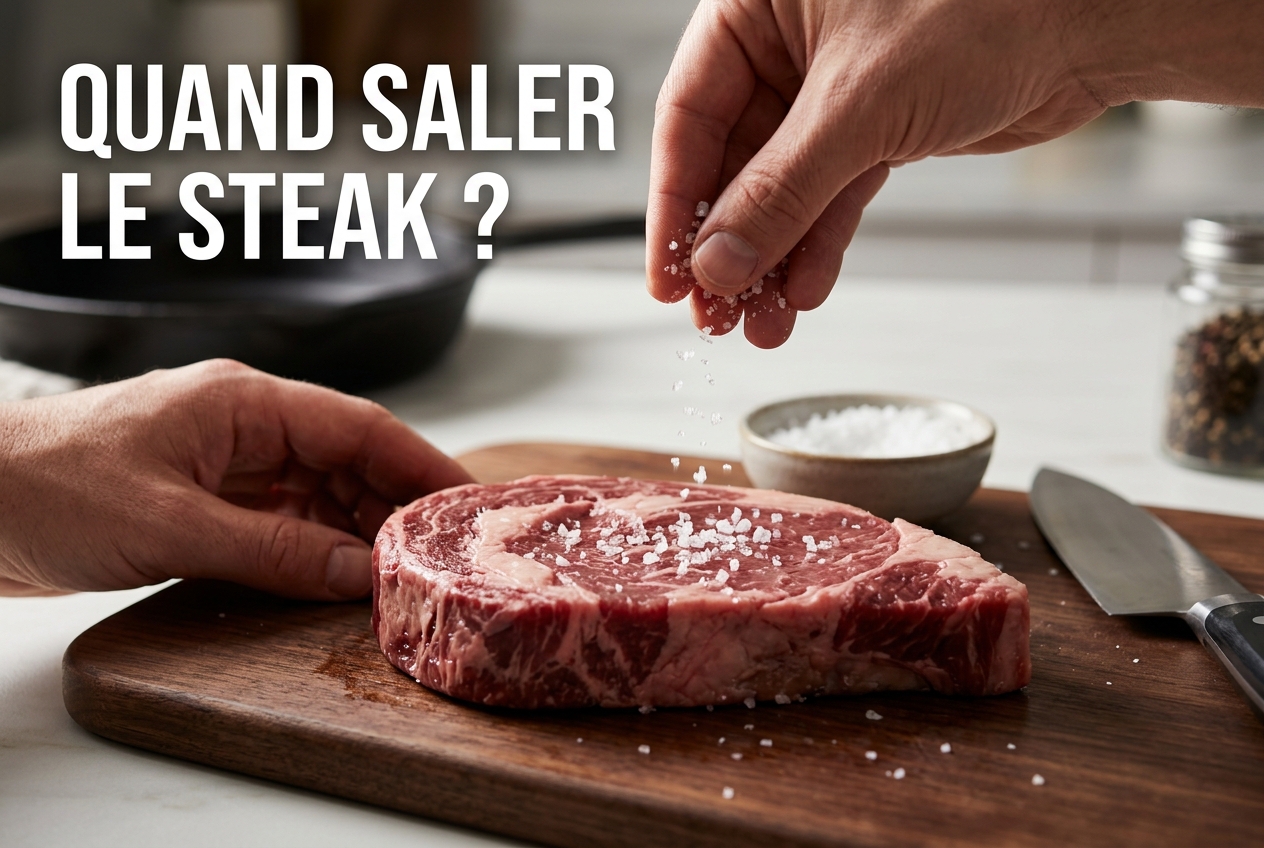
When You Salt a Steak Changes Everything
Salt a steak at the wrong moment and you can sabotage the crust and the seasoning you were after. These views split on the ideal timing window, how salting drives browning and flavor, whether the dry-brining science holds up, and where food safety limits the technique. Settle the timing question and the rest of the cook gets easier.
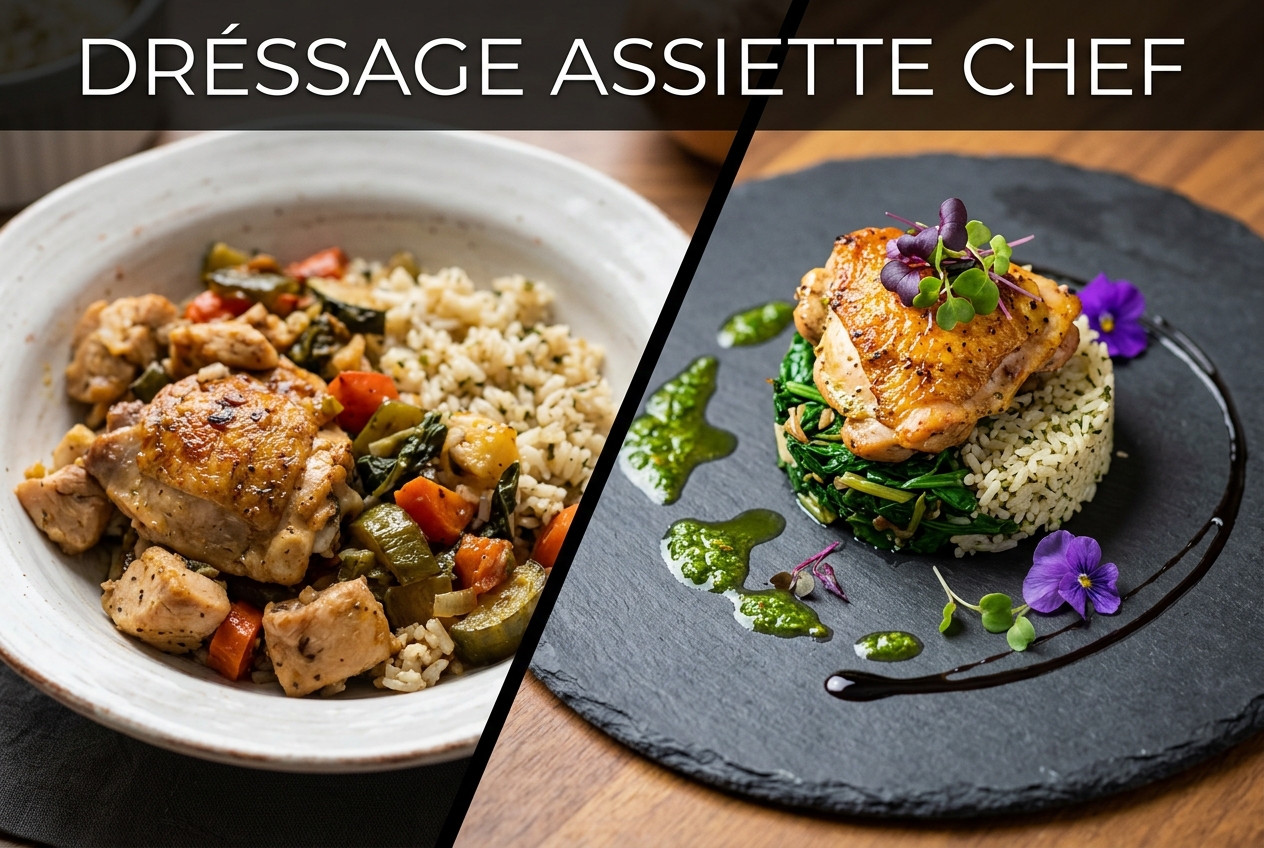
Make a Weeknight Dinner Look Like a Restaurant Plate
The same food reads as ordinary or impressive depending on how it lands on the plate. These techniques pull in different directions: color and contrast, height and layering, generous empty space, sauces used like paint, and quick practical plating for home kitchens. Trying them shows which habits fit your cooking and instantly upgrade the table.
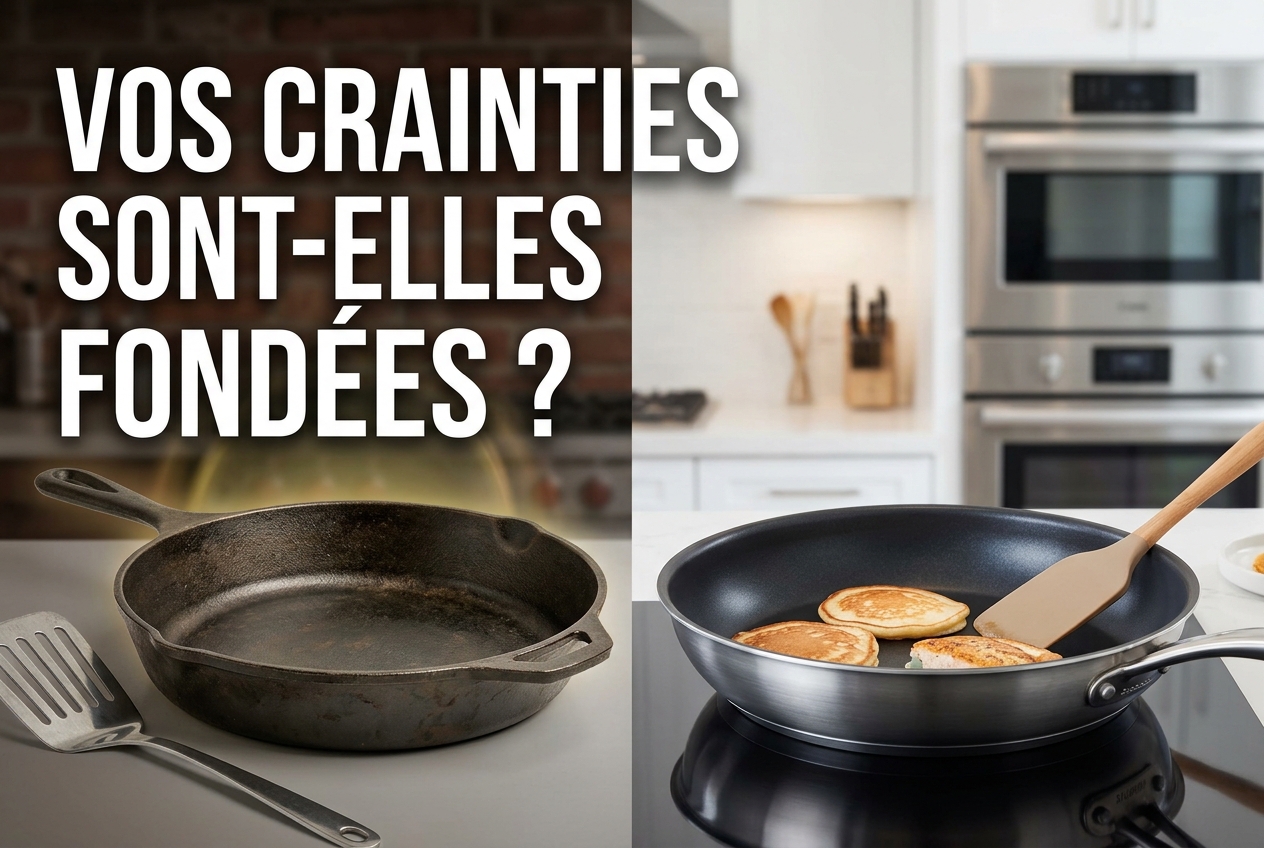
Nonstick Pan Fears Meet the Actual Evidence
Warnings about aluminum and nonstick cookware are everywhere, yet much of the science points the other way. The views differ on how to read that evidence: some urge precaution over any potential hazard, while others argue the data show these pans are safe in normal use and that panic itself does harm. Sorting rigor from alarm helps you decide what belongs in your kitchen.
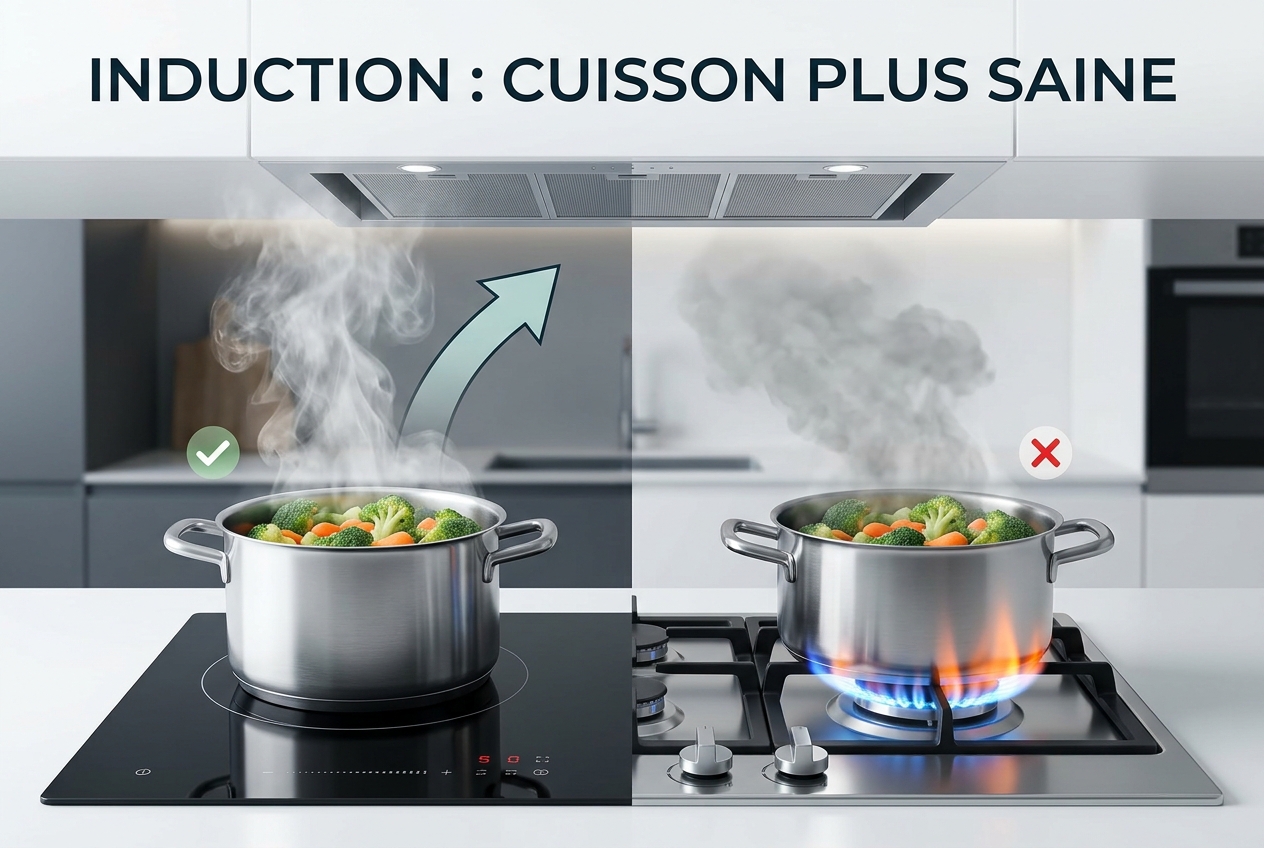
Cooking with Induction Is Cleaner and Outperforms Gas Stoves
Despite the widespread use of gas stoves, performance data and standardized testing show that induction cooking not only delivers better cooking results but also significantly improves indoor air quality. Unlike gas stoves, which emit harmful pollutants that can damage health, induction cooktops paired with direct venting systems effectively remove cooking pollutants, making kitchens safer and cleaner. Switching to induction cooking with proper ventilation transforms your cooking environment by reducing pollution and enhancing performance.
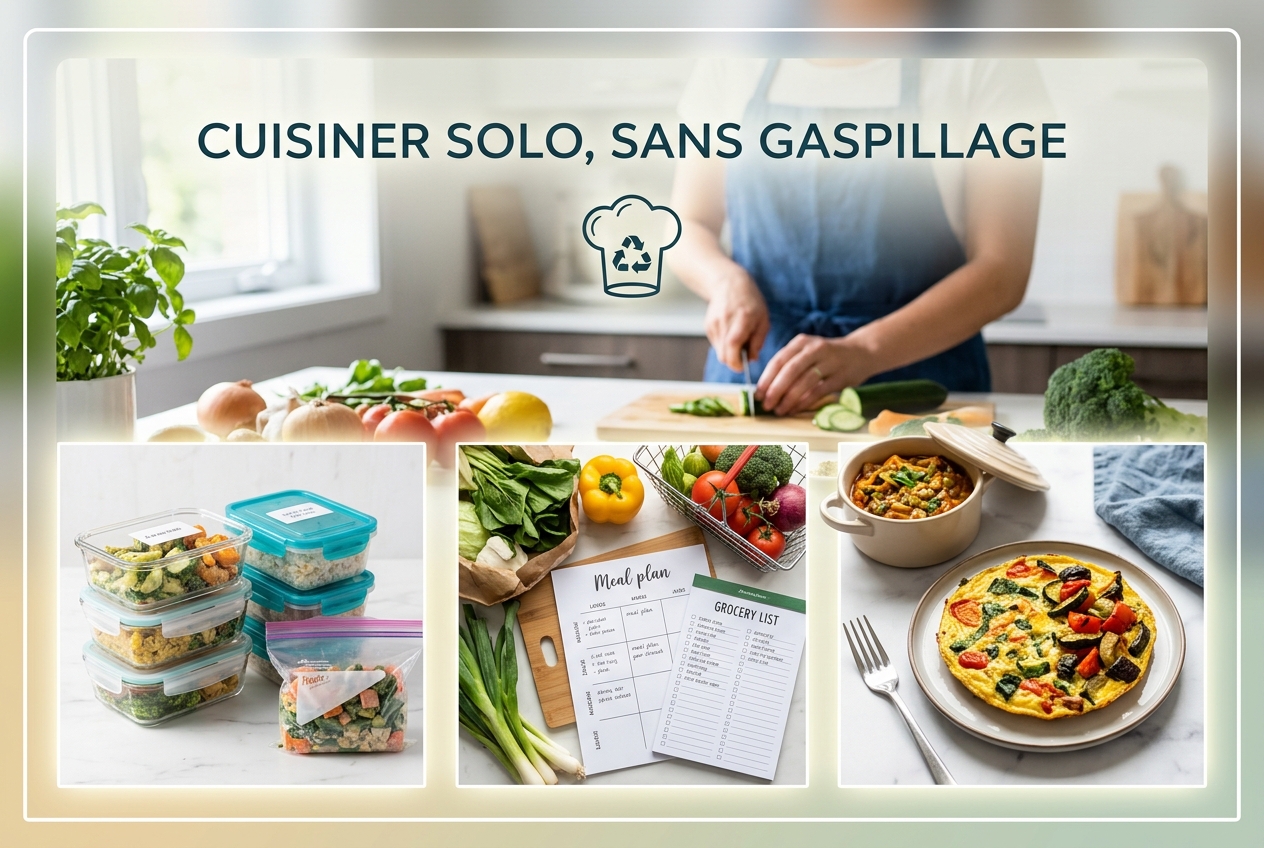
Cooking for One Doesn't Have to Mean Wasting Food
Cooking solo often means half-used groceries and leftovers that die in the fridge. The methods split on where to attack the waste: portioning and freezing single servings, planning meals against a strict grocery list, letting a slow cooker do the work, or reinventing leftovers so nothing repeats. Pick the one that fits how you actually shop and cook.
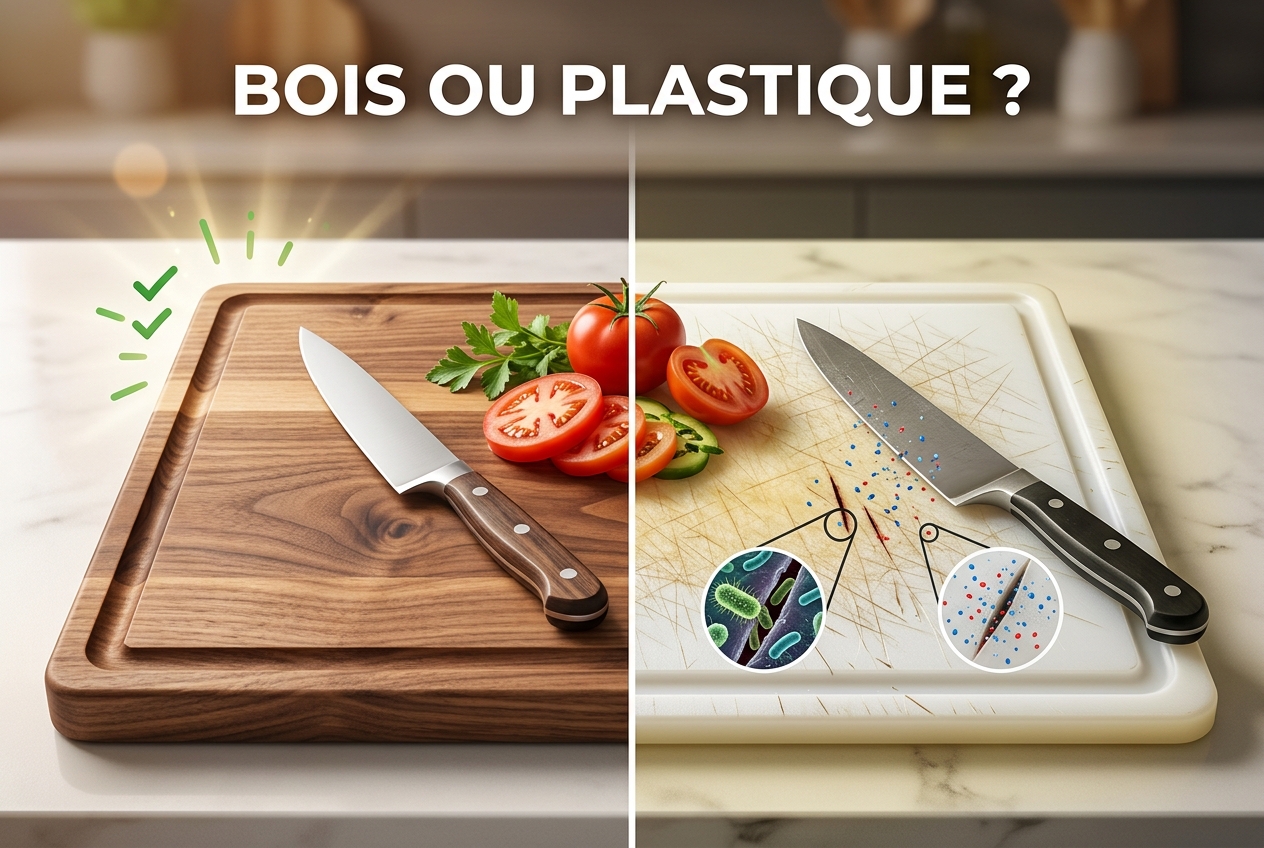
Your Wooden Cutting Board May Be Cleaner Than Plastic
Intuition says plastic wipes clean while wood harbors germs, but studies keep finding bacteria die off on wood and linger in plastic's knife scars, along with shed microplastics. The views here differ on how far to trust those experiments, whether wood defects carry their own sanitation risks, and what proper contamination control really shows. It ends with a clearer call on which board belongs under your knife.
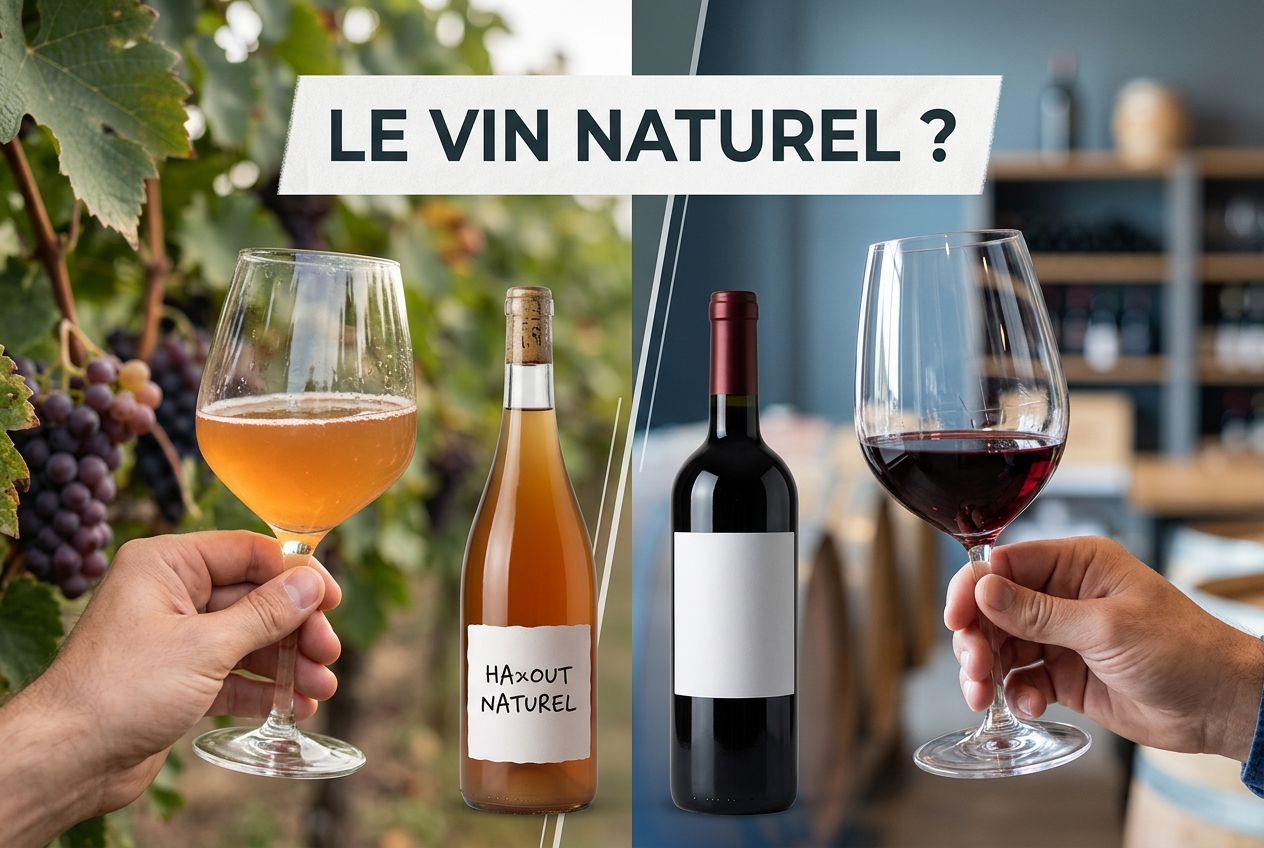
Is Wine Without Additives Actually Better Wine?
Natural wine promises a purer taste of the land, but the promise is contested from every side. These views split on whether sulfites betray the ideal or simply keep the bottle stable, and whether the health halo around natural wine survives scrutiny of the evidence. Where you land decides what you reach for on the shelf.

Organic Food Safety Depends on Strict Manure and Pesticide Controls
The organic label does not guarantee food free of pesticide residues or dangerous microbes. Against the assumption that organic automatically means cleaner, safety here depends on rigorous manure management, careful pesticide use, and regulatory compliance backed by random testing. Knowing what the certification actually covers changes how you judge what lands on your plate.

Techniques for Pulling Great Espresso in Your Own Kitchen
The gap between sour, bitter, and balanced espresso comes down to a handful of variables you control. These techniques differ on dialing in grind size, tamping pressure, and pressure profiling, and on whether to chase precise data or follow practical step-by-step routines. See where they clash so you can match your setup and taste.
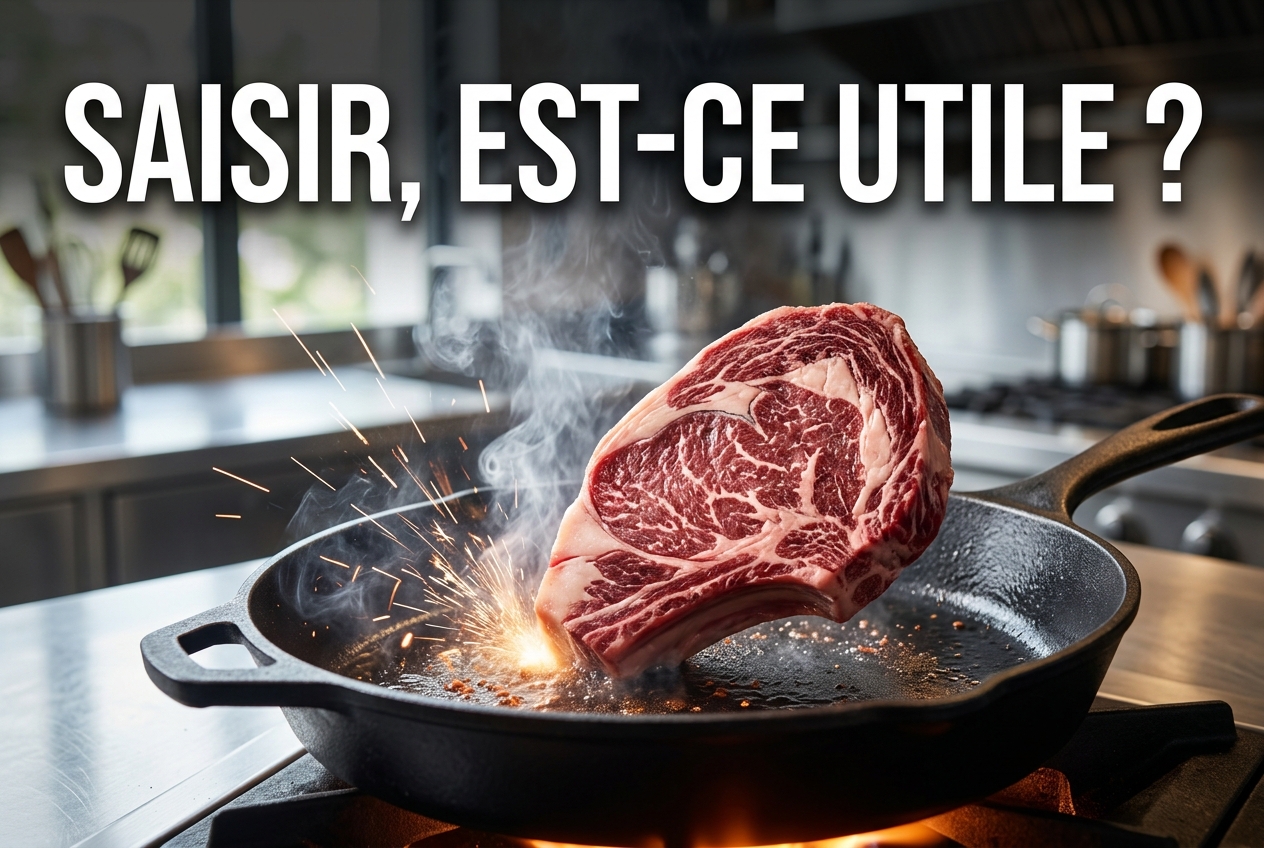
Searing Doesn't Seal In Juices, So Why Do It?
The sizzle when steak hits the pan isn't locking anything in, whatever the cooking shows say. These claims agree the old sealing story is a myth but split on what matters instead: browning for flavor, pre-salting for juiciness, or sous vide for moisture control. They add up to a better answer for cooking meat that stays juicy.
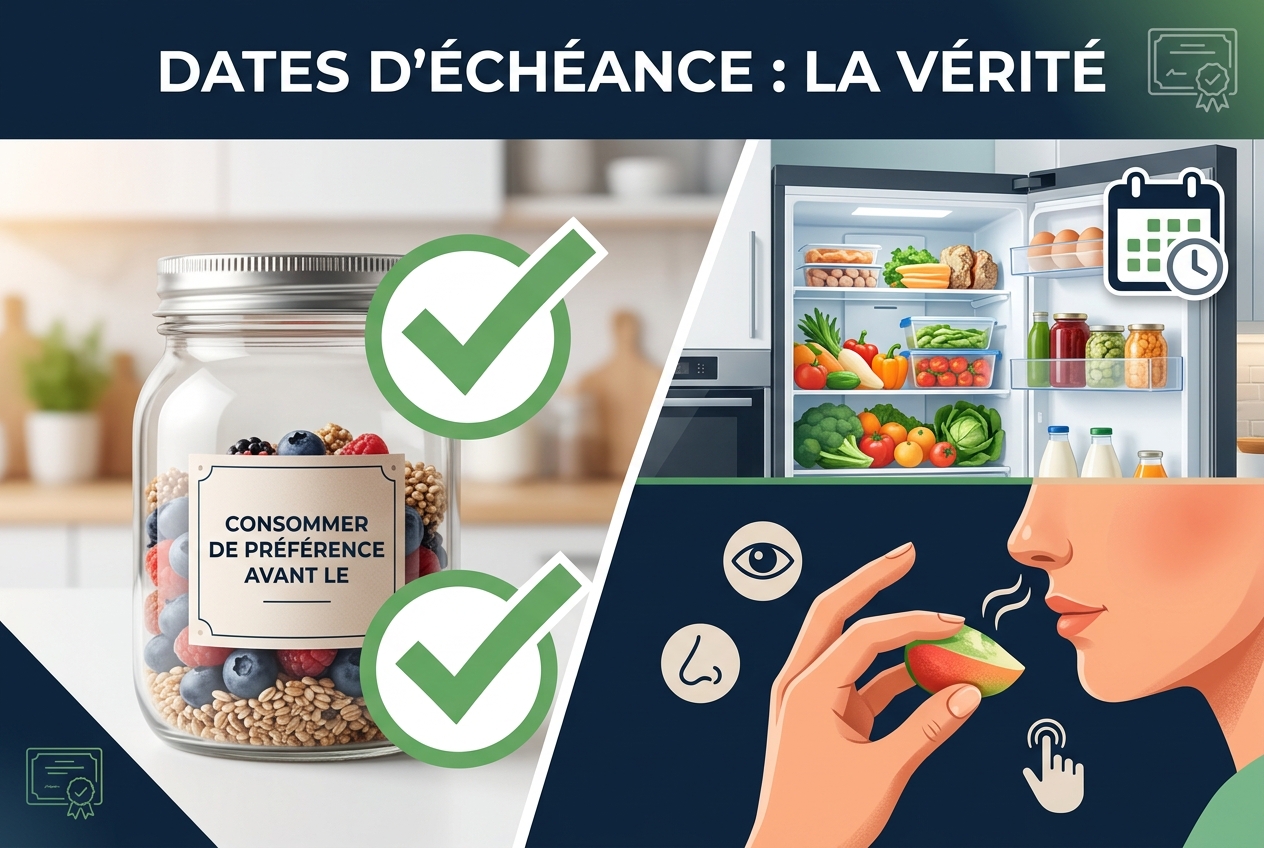
The Date on the Label Isn't Telling You It's Unsafe
Tossing food the day it hits the printed date wastes money and usually isn't about safety at all. These claims pull apart what dates really mean: quality markers rather than hazard warnings, regulator habits and history, the role of storage, and when your own senses are the better judge. They give you a smarter test for what's actually still good.
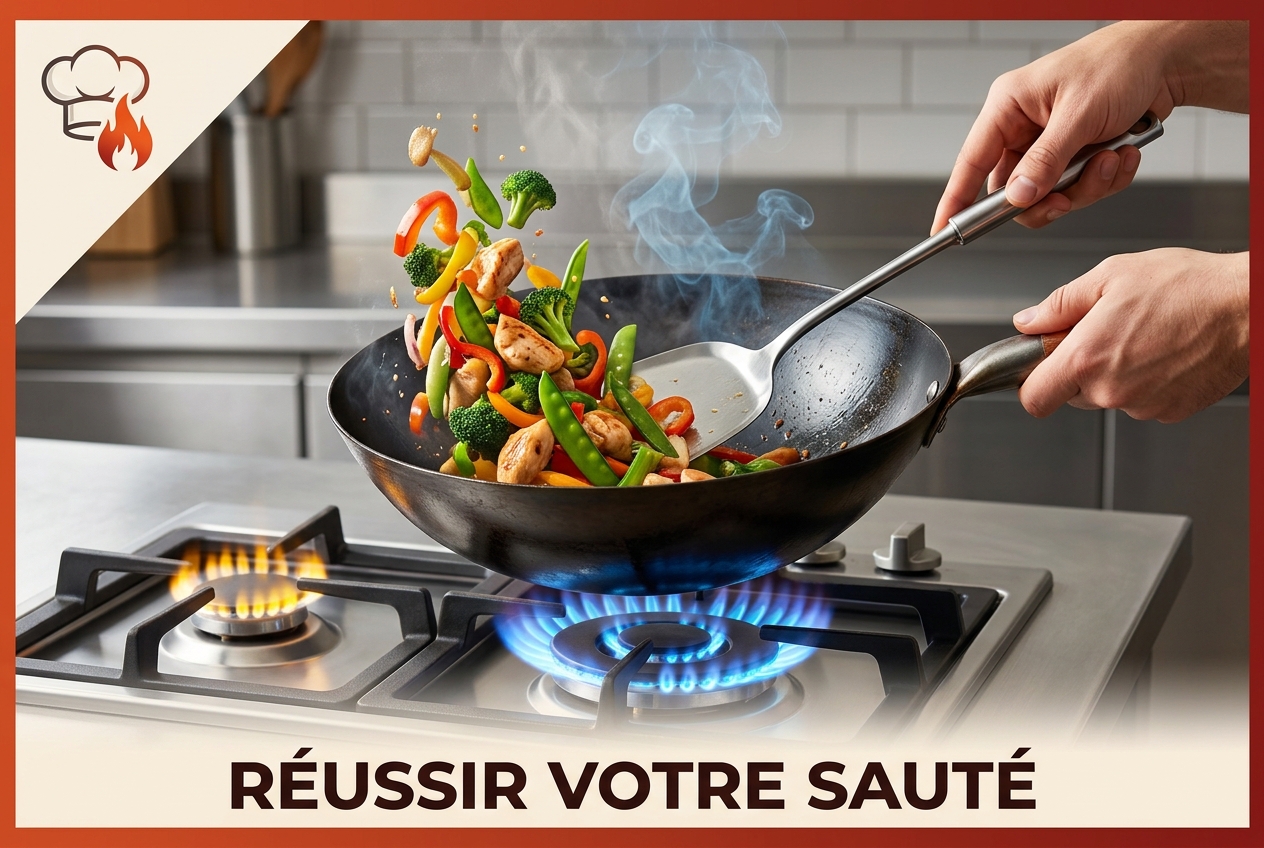
Stop Blaming the Recipe. Your Stove Is Ruining Your Stir-Fry.
Restaurant stir-fry gets its flavor from ferocious heat that most home stoves simply cannot deliver. These reasons trace the failure to different culprits: burner design, how heat spreads across the pan, what your wok is made of, and heat mistakes that make smoke instead of browning. Once you know which one applies to your kitchen, you can pick the fix that gets real sear and flavor from the stove you already own.
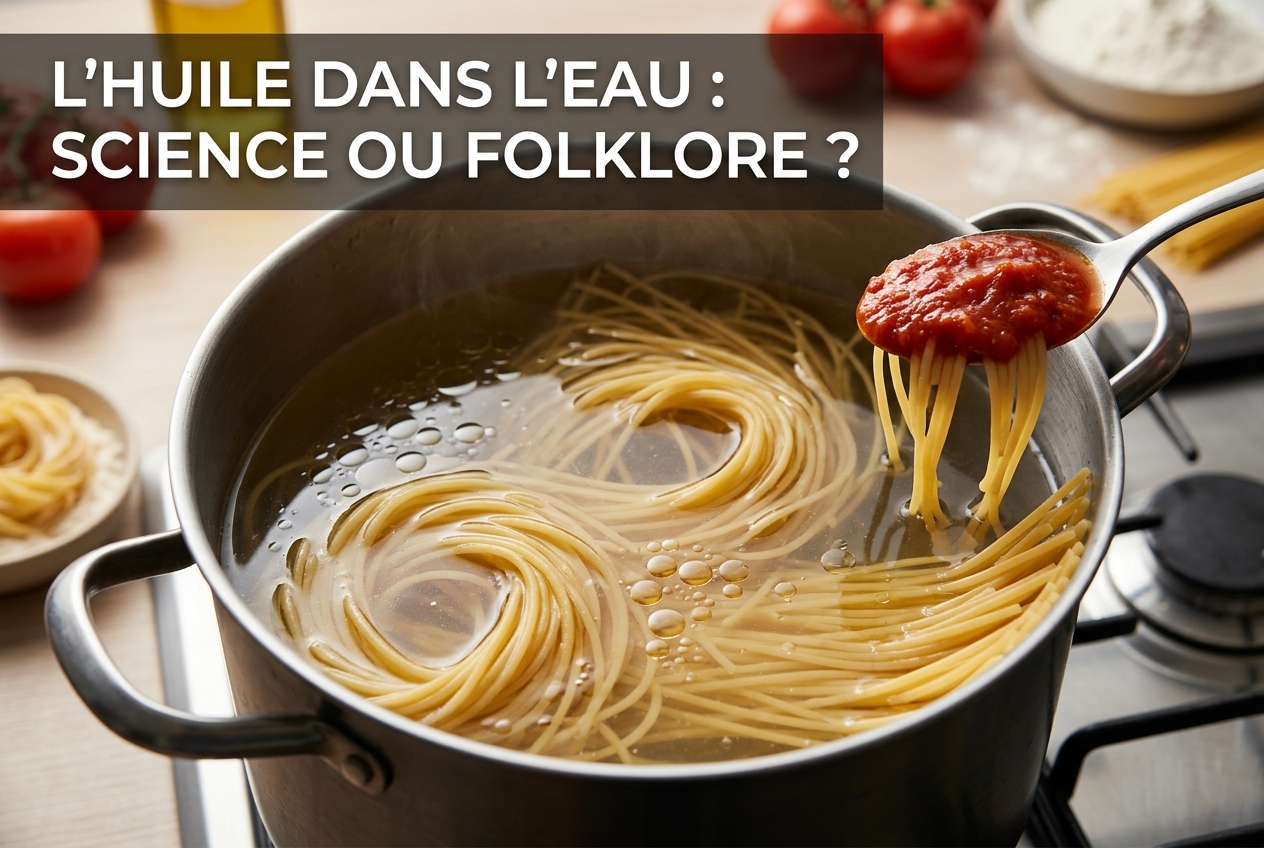
What the Oil in Your Pasta Water Actually Does
Most pasta advice gets passed down as kitchen law, yet much of it works against the dish. These rules clash on the basics: whether oil in the water prevents sticking or just makes sauce slide off, whether rinsing helps or washes away the starch that lets sauce cling, and how hard the water really needs to boil. Sort the science from the folklore and every plate you sauce gets better.
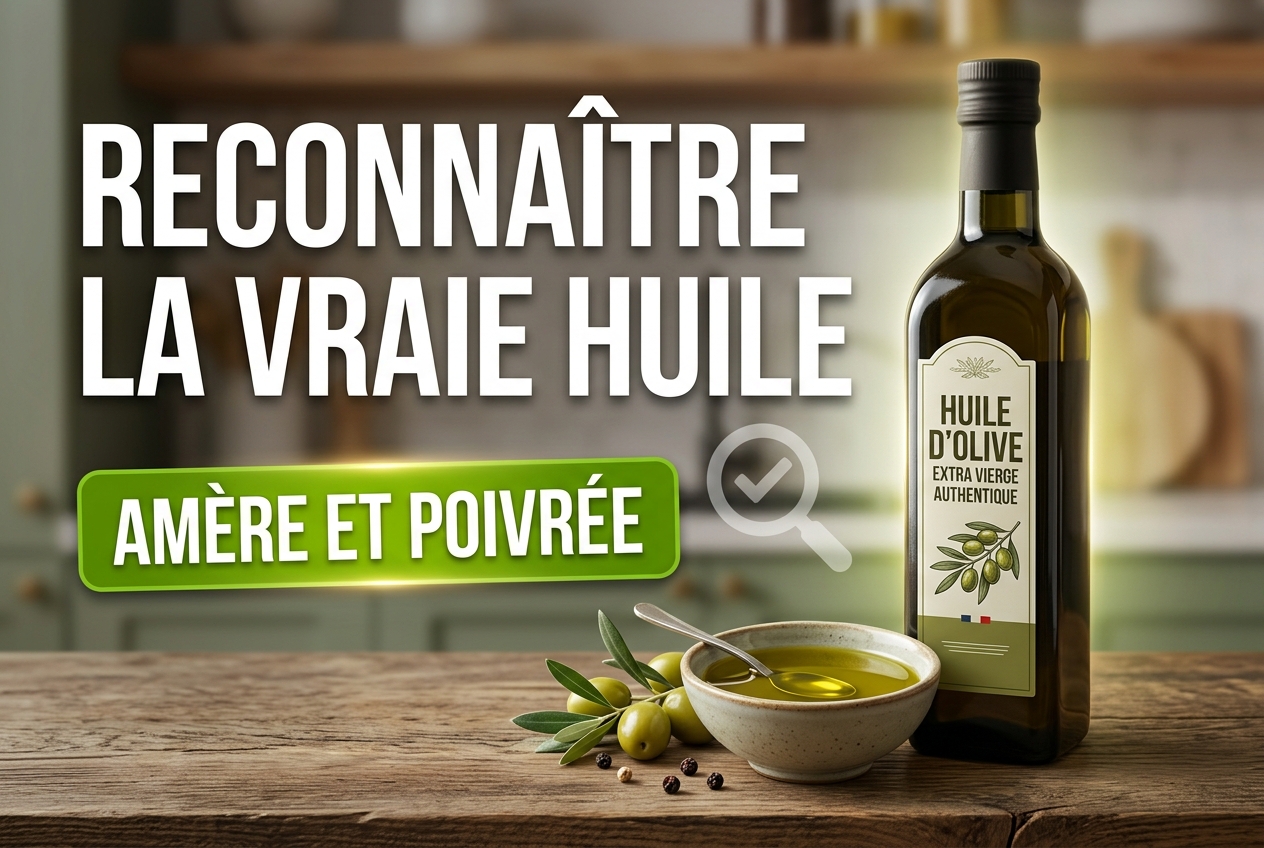
Bitter and Peppery Means Your Olive Oil Is the Real Thing
Much of the extra-virgin olive oil on store shelves is not what the label promises, and the genuine article announces itself with bitterness and a peppery sting. These tips differ on how to catch a fake: some rely on taste and that throat-catching bite, others on harvest dates and traceability, and others on storage habits that keep a real bottle from going stale. You'll be able to buy an authentic oil with confidence and keep it fresh at home.
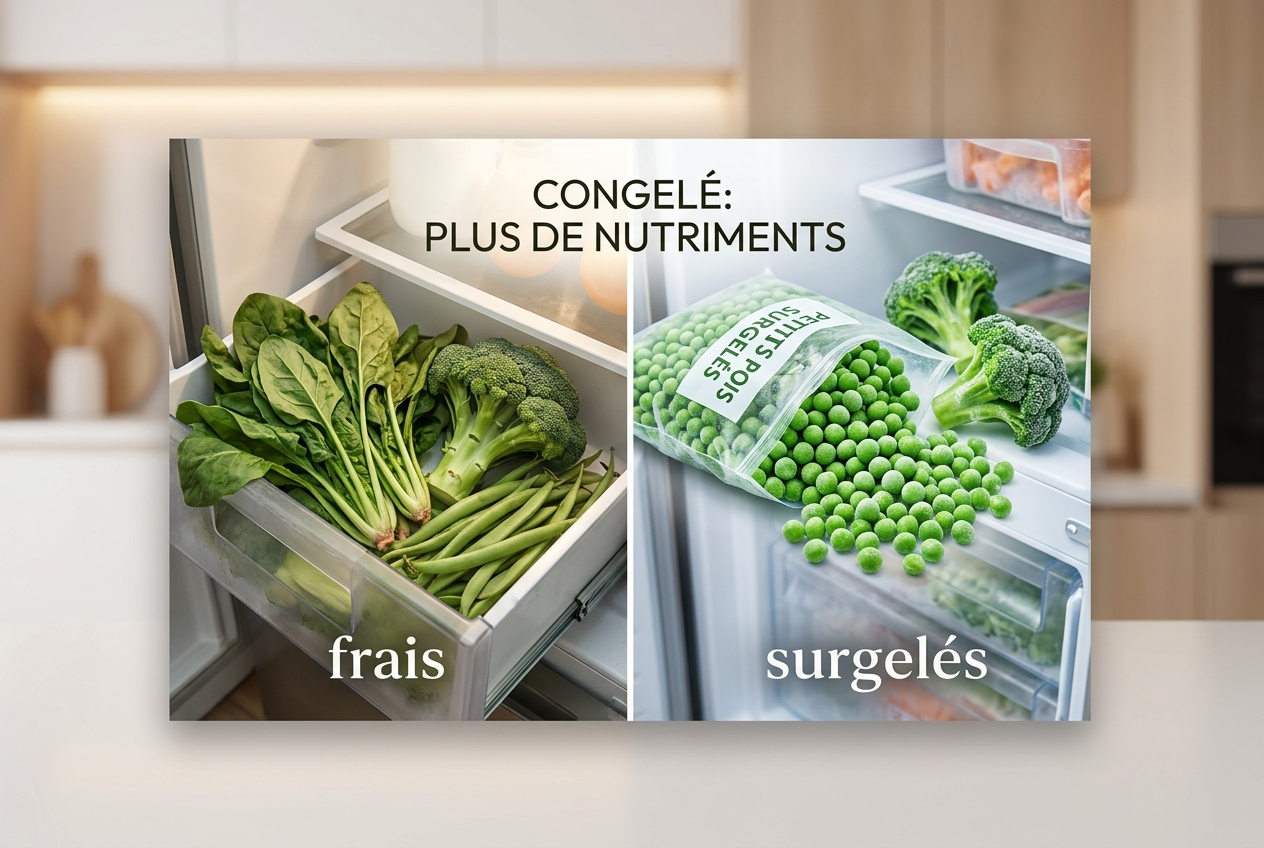
Frozen Vegetables Are Fresher Than Fresh Ones
That bag of peas in your freezer may hold more nutrients than the wilting greens in your crisper drawer. These techniques differ on where the advantage comes from: some credit the fast freezing and blanching that lock nutrients in, while others focus on how you cook frozen vegetables to get the best texture, flavor, and safety. You'll come away knowing when to reach for the freezer and how to prepare what's inside so it outshines fresh.
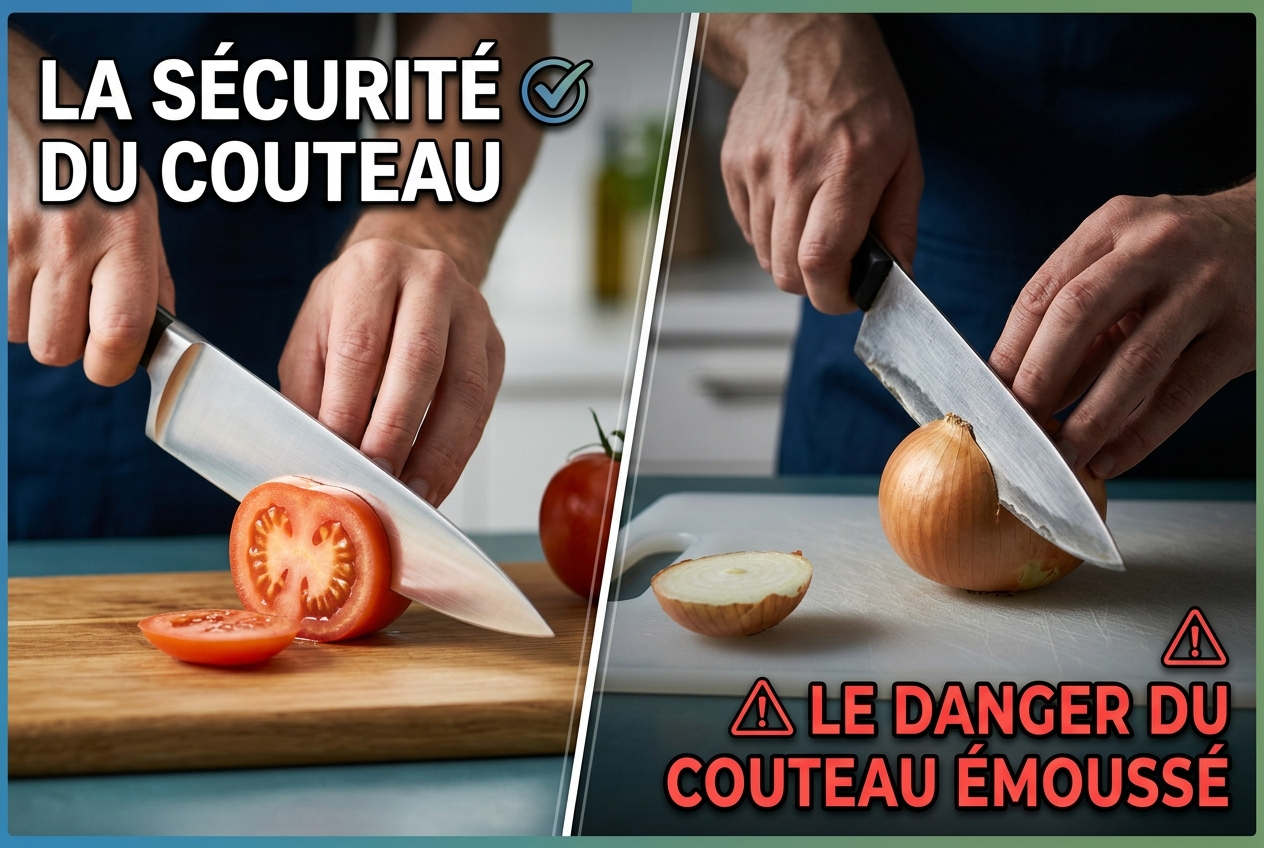
Stop Fearing the Sharp Knife. Fear the Dull One.
The knife most likely to send you to the emergency room is the dull one that slips, not the sharp one you respect. These techniques differ on where safety comes from: some teach precise sharpening angles and edge upkeep, some measure how an edge actually performs, and others use gradual, controlled exposure to tame a real fear of blades. You'll be able to keep a safer edge on your knives and handle them without dread.
How to Cook Confidently Without Following Recipes Step-by-Step
Cooking well without relying on recipes means understanding why techniques work and how ingredients behave under heat and seasoning. Different approaches emphasize mastering foundational skills, applying cooking science, tasting frequently, and treating recipes as flexible guides rather than strict rules. By learning these methods, you can adapt to your ingredients, equipment, and taste preferences to create dishes intuitively and confidently.
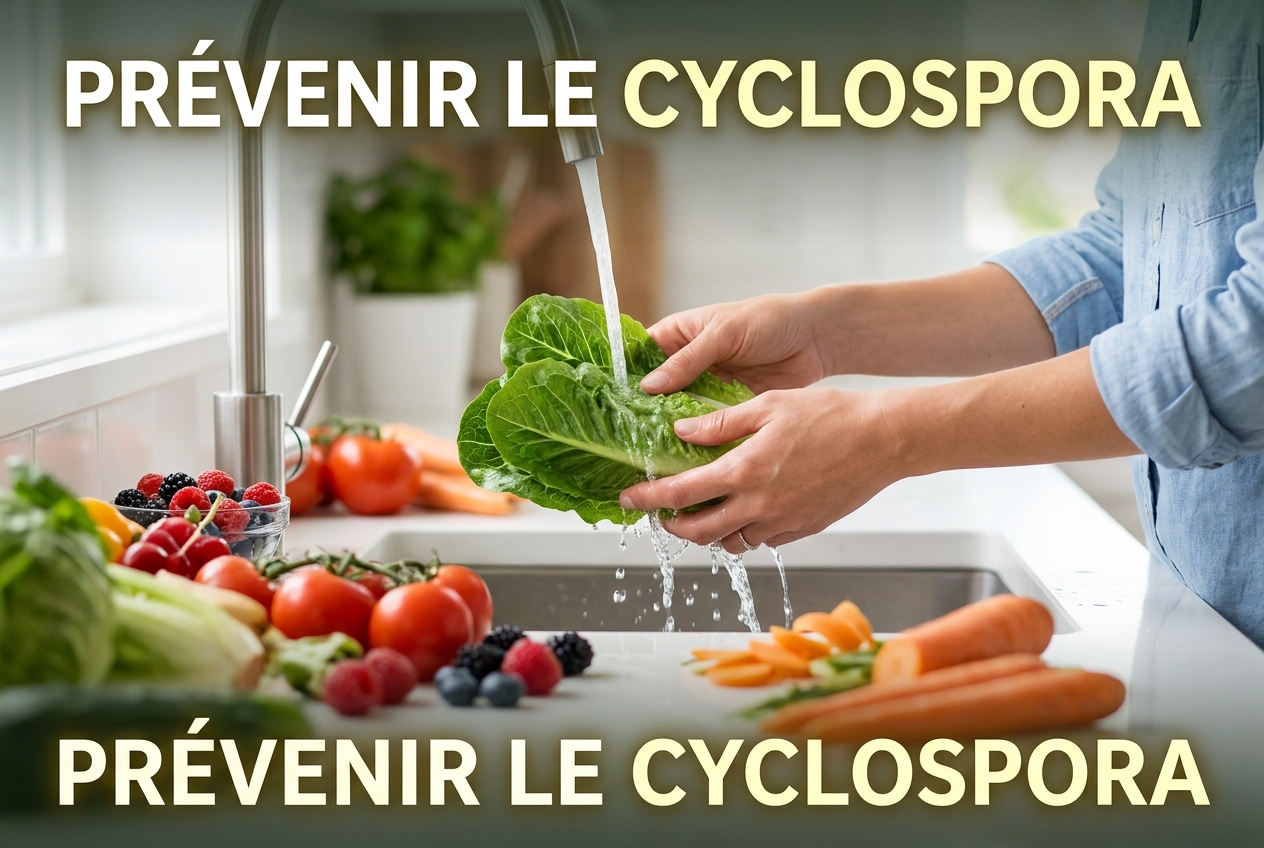
How Washing and Food Choices Can Stop Cyclospora Infections
Cyclospora outbreaks in Michigan and Indiana highlight the critical need for thorough hand and produce washing to prevent infection. Different tips emphasize washing fresh fruits and vegetables under running water, even if peeling, while others suggest peeling outer layers or choosing whole heads of lettuce over pre-washed options to reduce risk. For those with low appetite, eating small amounts at a time is advised to maintain nutrition safely during outbreaks.