
Browse the Context Marketplace
Expert-level knowledge on any topic. Each capsule guides you through what matters most.
24 capsules
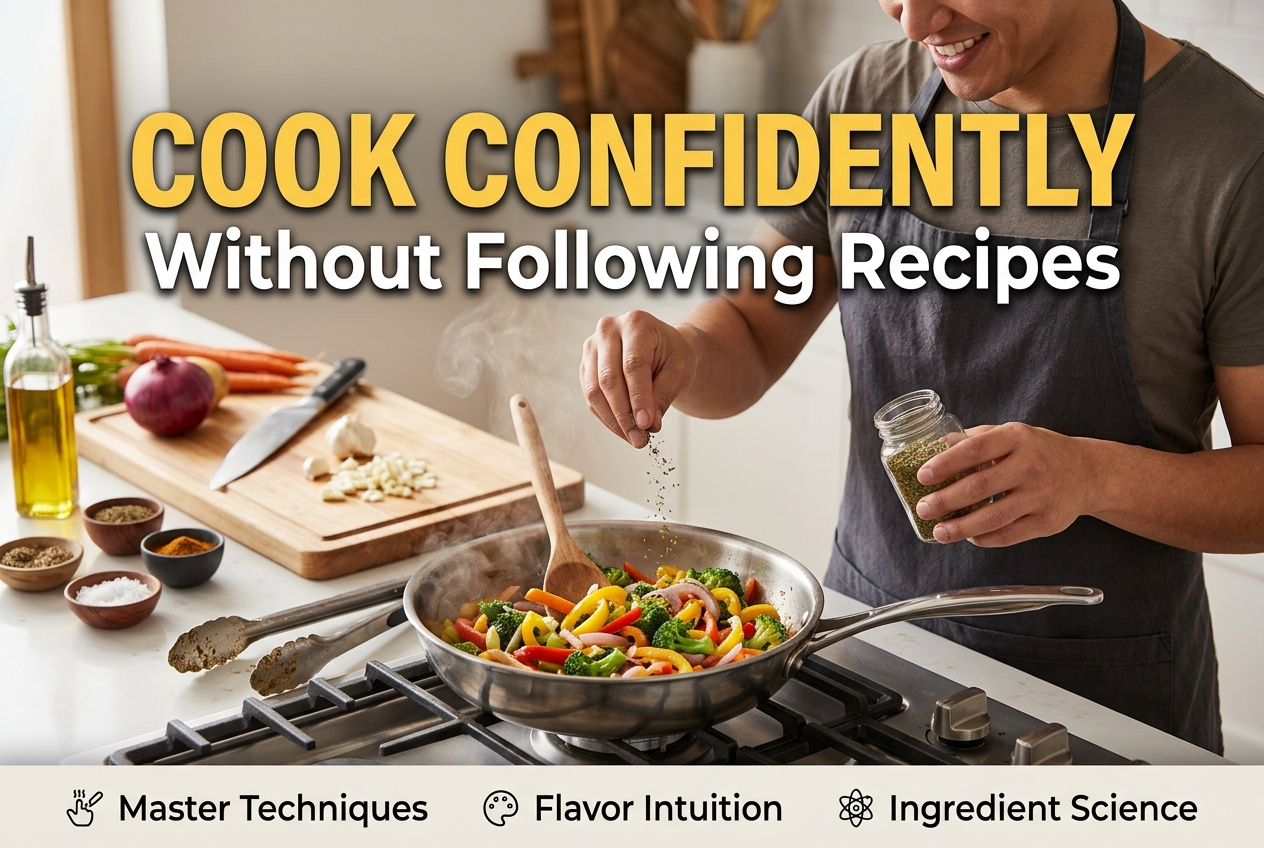
How to Cook Confidently Without Following Recipes Step-by-Step
Cooking well without relying on recipes means understanding why techniques work and how ingredients behave under heat and seasoning. Different approaches emphasize mastering foundational skills, applying cooking science, tasting frequently, and treating recipes as flexible guides rather than strict rules. By learning these methods, you can adapt to your ingredients, equipment, and taste preferences to create dishes intuitively and confidently.
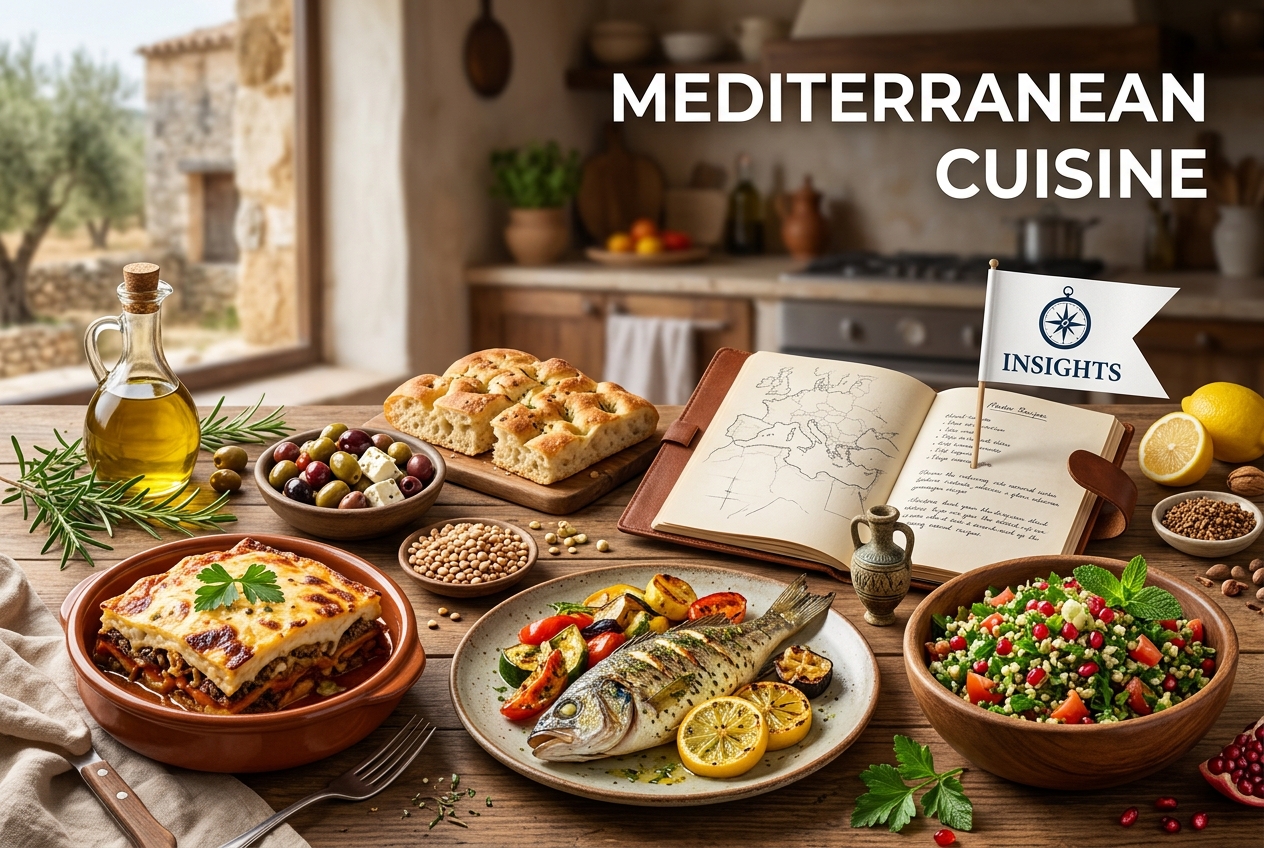
Famous Mediterranean Recipes with Cooking Tips and Historical Insights
Mediterranean cuisine offers a rich variety of dishes characterized by precise cooking techniques and traditional ingredients. This collection presents detailed recipes alongside expert tips on preparation methods, ingredient handling, and baking instructions. It also includes insights into historical Mediterranean cooking practices, helping readers recreate authentic flavors while respecting access restrictions and culinary heritage.
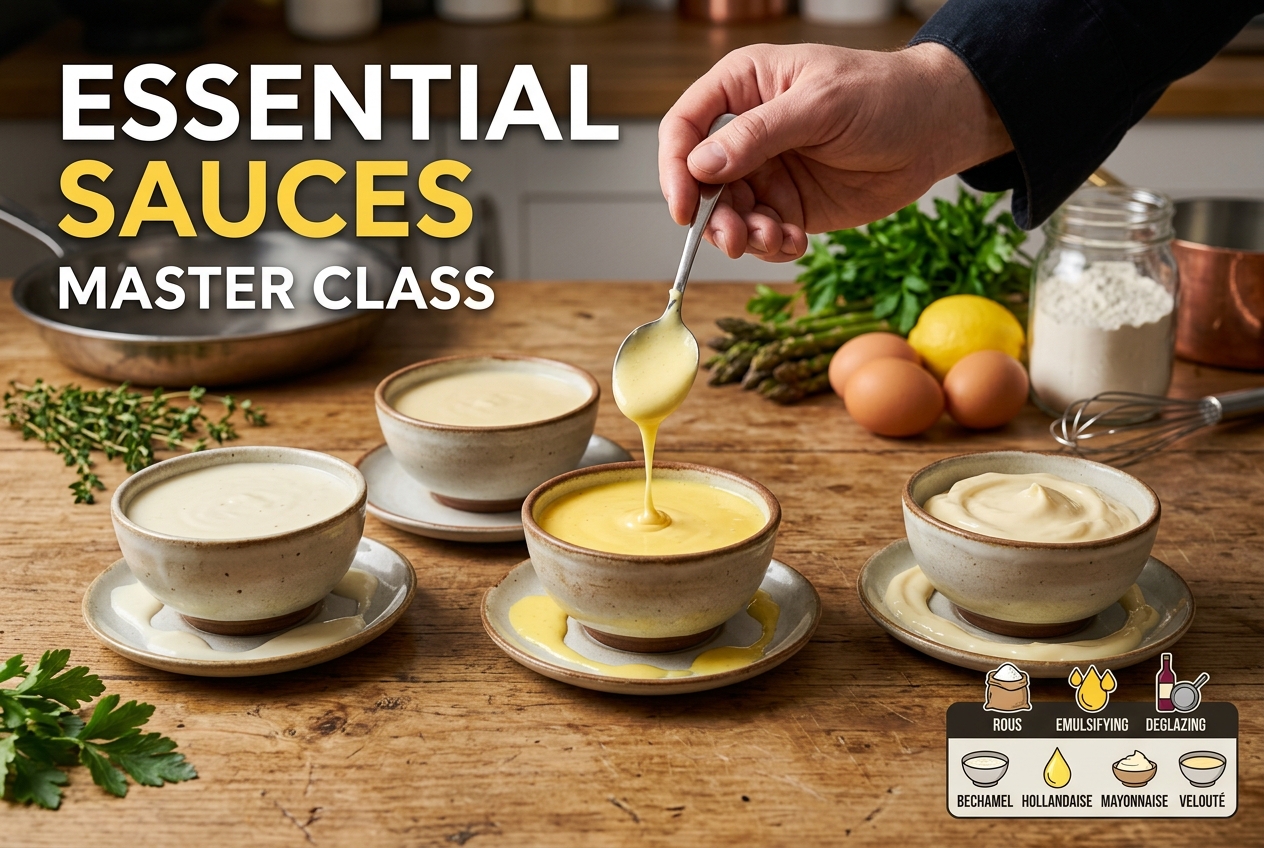
Essential Sauces Every Cook Should Know
Sauces form the foundation of many dishes, enhancing flavor and texture through key techniques like making roux, emulsifying, and deglazing. This collection covers fundamental sauce preparations including béchamel, hollandaise, mayonnaise, and velouté, along with tips on avoiding common pitfalls such as curdling and lump formation. Learn how to master classic sauces with proper ingredient handling, temperature control, and storage advice to elevate your cooking.
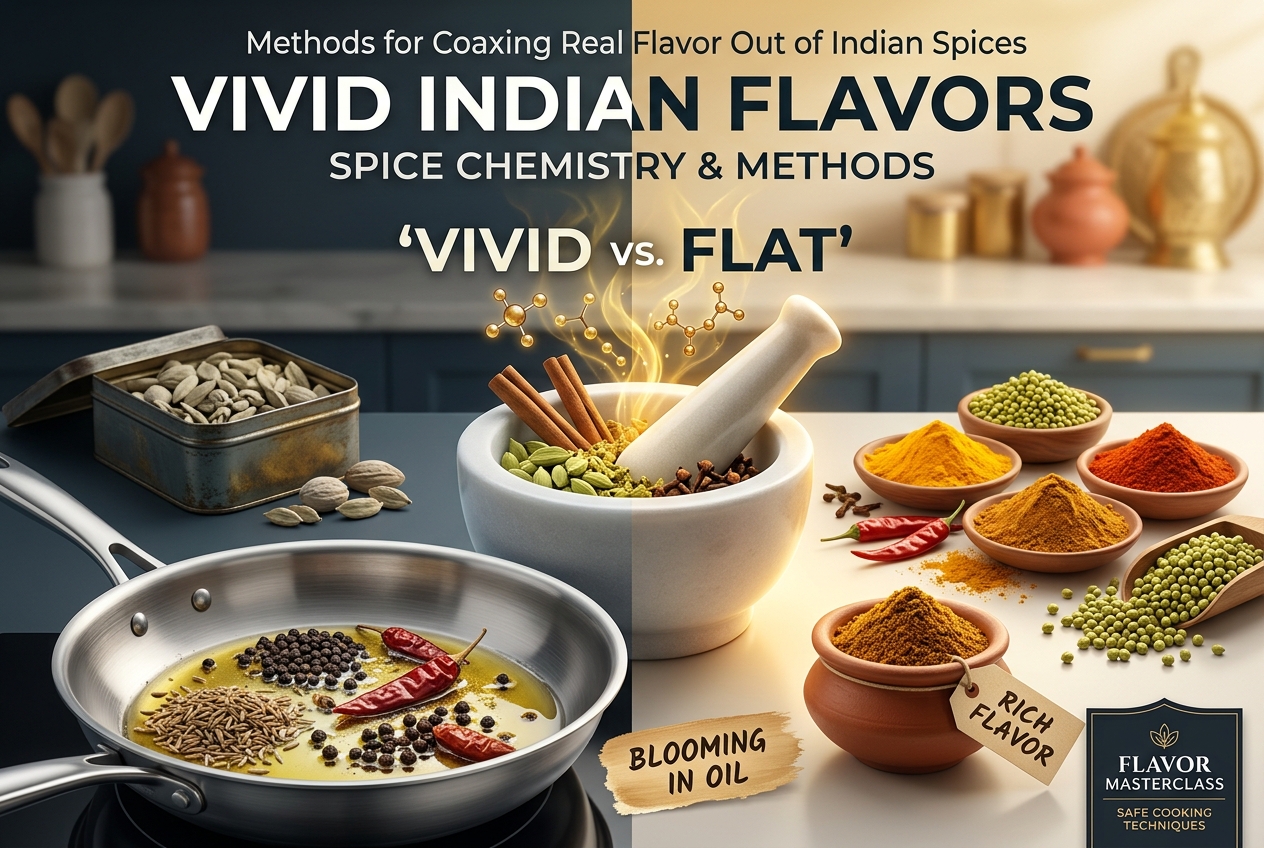
Methods for Coaxing Real Flavor Out of Indian Spices
The same spices can taste flat or vivid depending on how you treat them before they hit the plate. These methods differ on dry-roasting whole spices, blooming ground ones in hot oil, controlling tempering temperature, and understanding the chemistry that makes spice oils potent and sometimes unsafe. Learn them to build layered, authentic flavor safely.
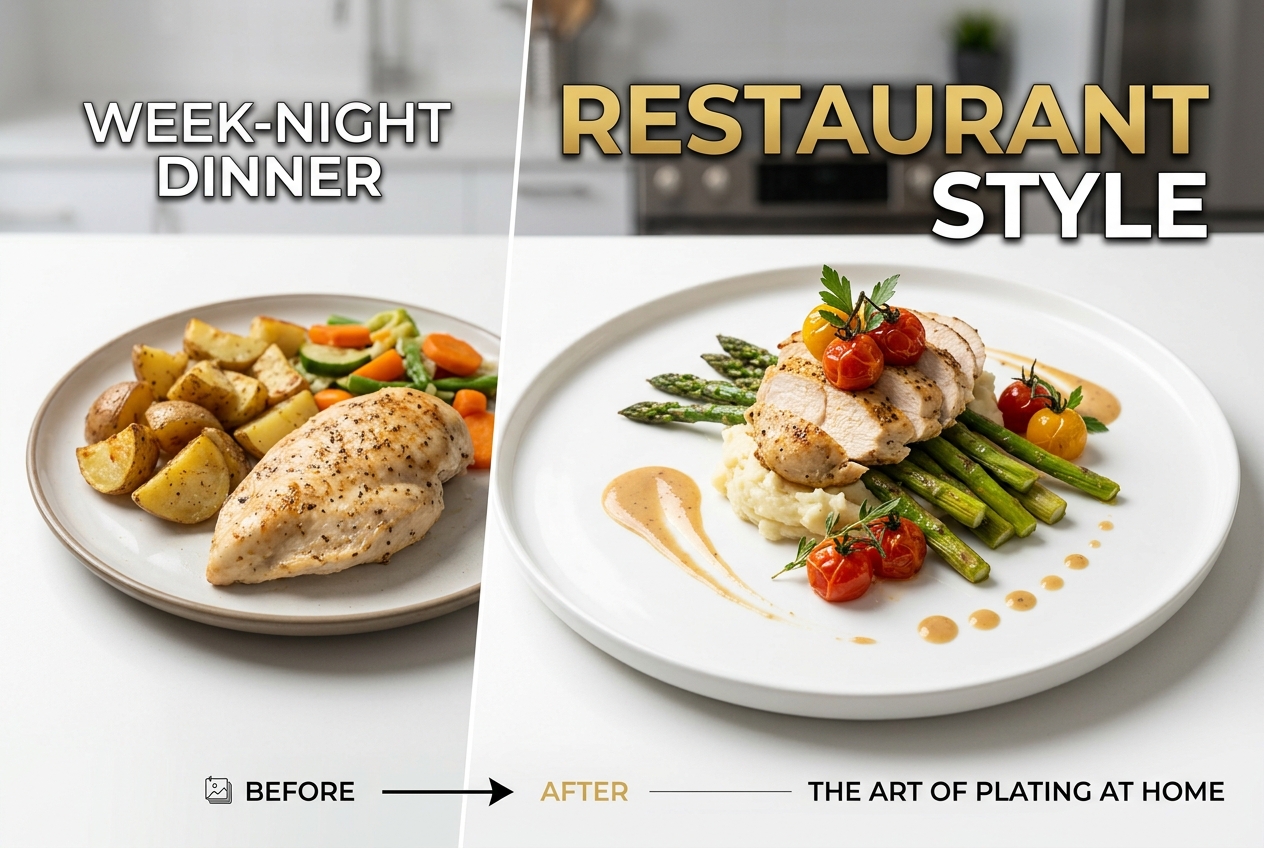
Make a Weeknight Dinner Look Like a Restaurant Plate
The same food reads as ordinary or impressive depending on how it lands on the plate. These techniques pull in different directions: color and contrast, height and layering, generous empty space, sauces used like paint, and quick practical plating for home kitchens. Trying them shows which habits fit your cooking and instantly upgrade the table.
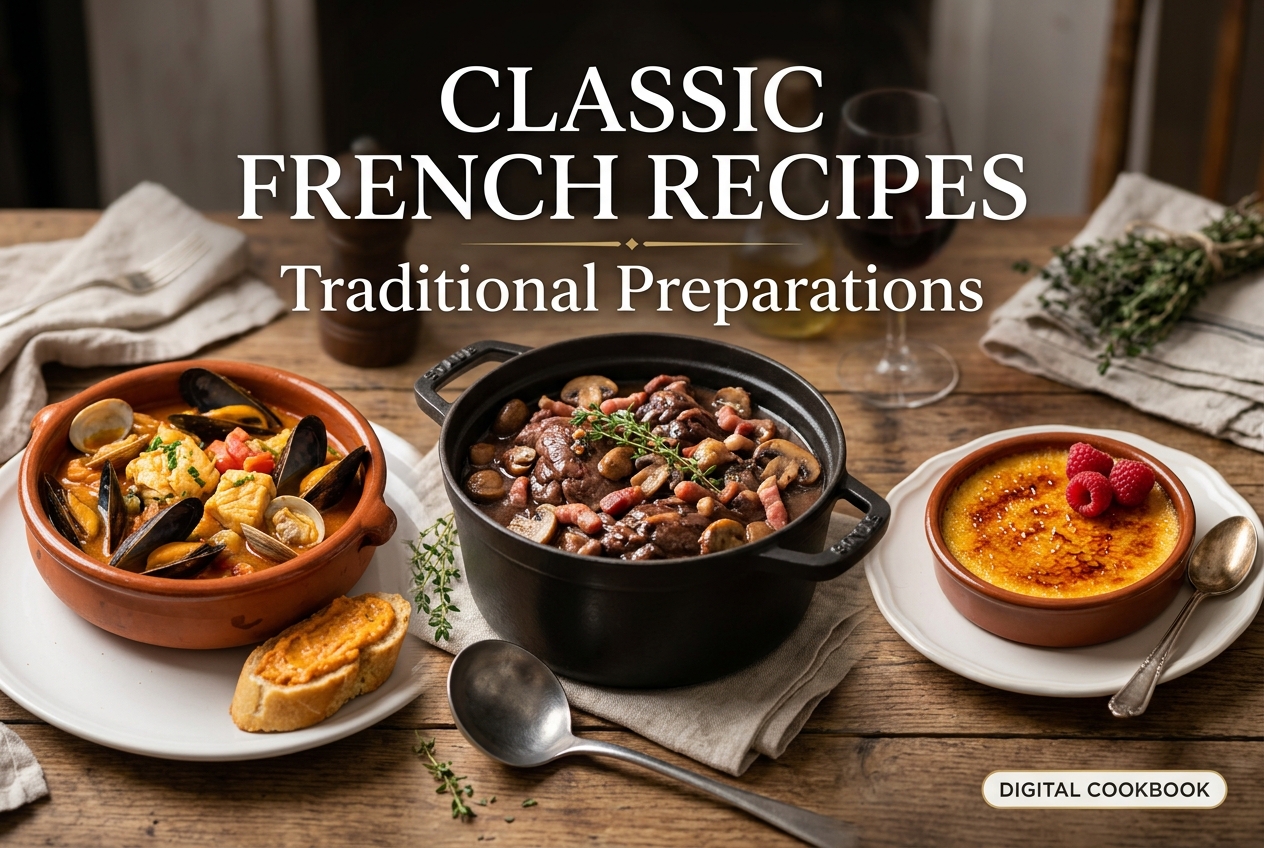
Classic French Recipes and Their Traditional Preparations
This collection presents well-known classic French dishes, detailing their traditional ingredients, cooking methods, and typical accompaniments. It covers recipes from hearty stews and seafood preparations to delicate desserts, offering insights into how to prepare and serve each dish authentically. Readers can learn to make iconic meals like bouillabaisse, coq au vin, and crème brûlée with guidance on presentation and pairing.
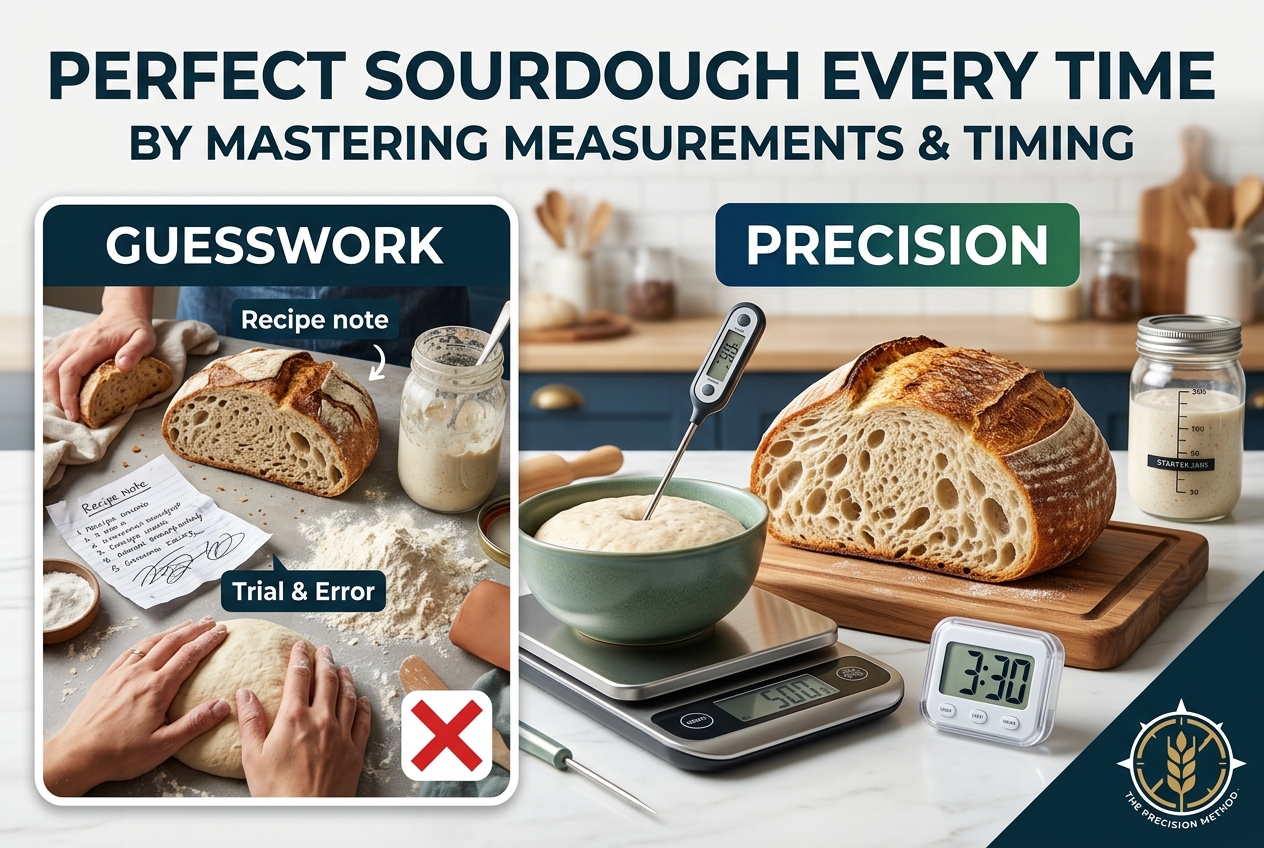
Precise Measurements and Timing Guarantee Perfect Sourdough Every Time
This approach insists that exact temperatures, ingredient ratios, and fermentation times are essential to mastering sourdough baking, challenging the common belief that intuition and guesswork suffice. By following specific formulas for water temperature, starter maintenance, and fermentation schedules, bakers can reliably produce consistent, high-quality bread. Adopting these precise techniques transforms sourdough baking from a trial-and-error craft into a predictable, repeatable process.
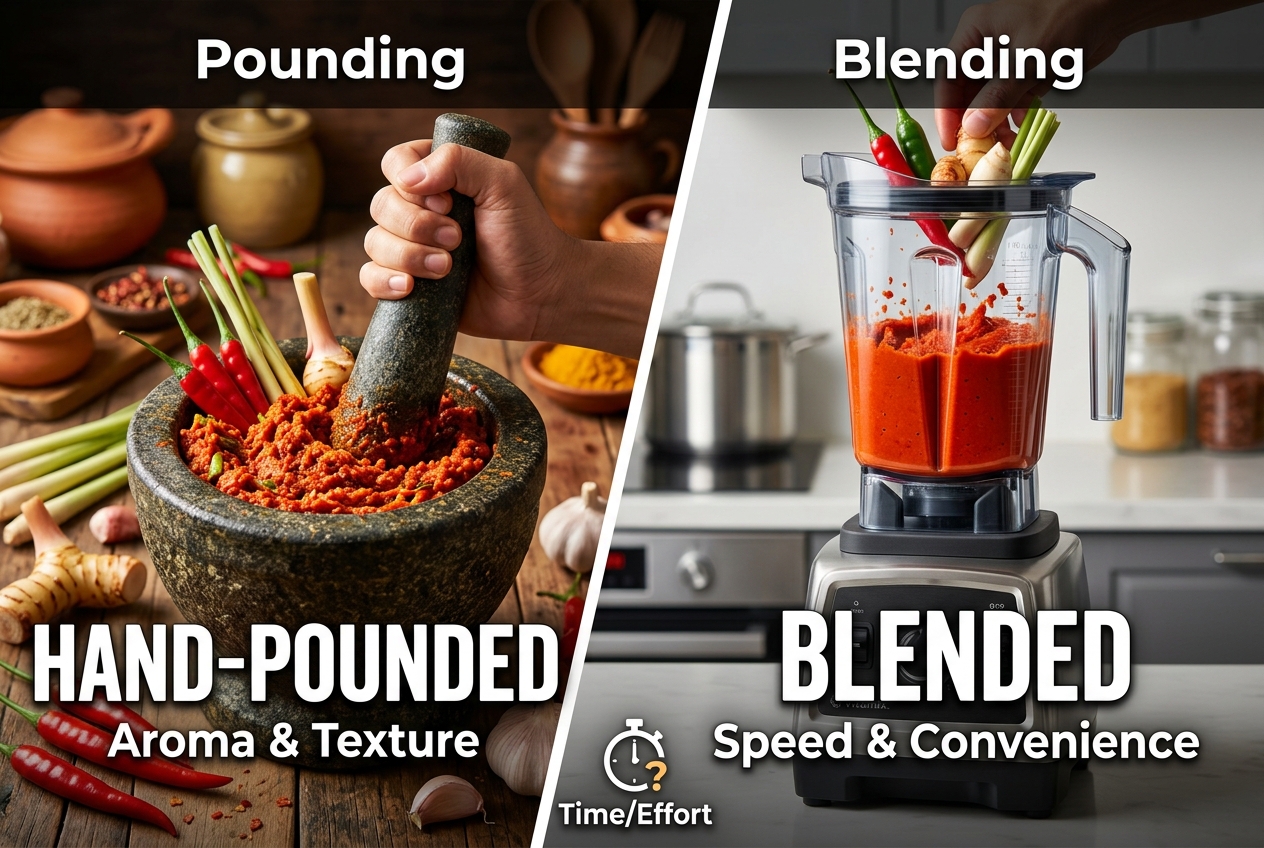
The Mortar and the Blender Make Different Curry Pastes
The tool you use changes the paste: hand-pounding coaxes out aromas that a blender's speed cannot match, but the blender wins on weeknight reality. These methods split on pounding versus blending, fresh versus store-bought, exact ingredient order versus season-to-taste, and whether to refrigerate briefly or freeze in small portions. Where you land depends on how much authenticity you want per minute of effort.
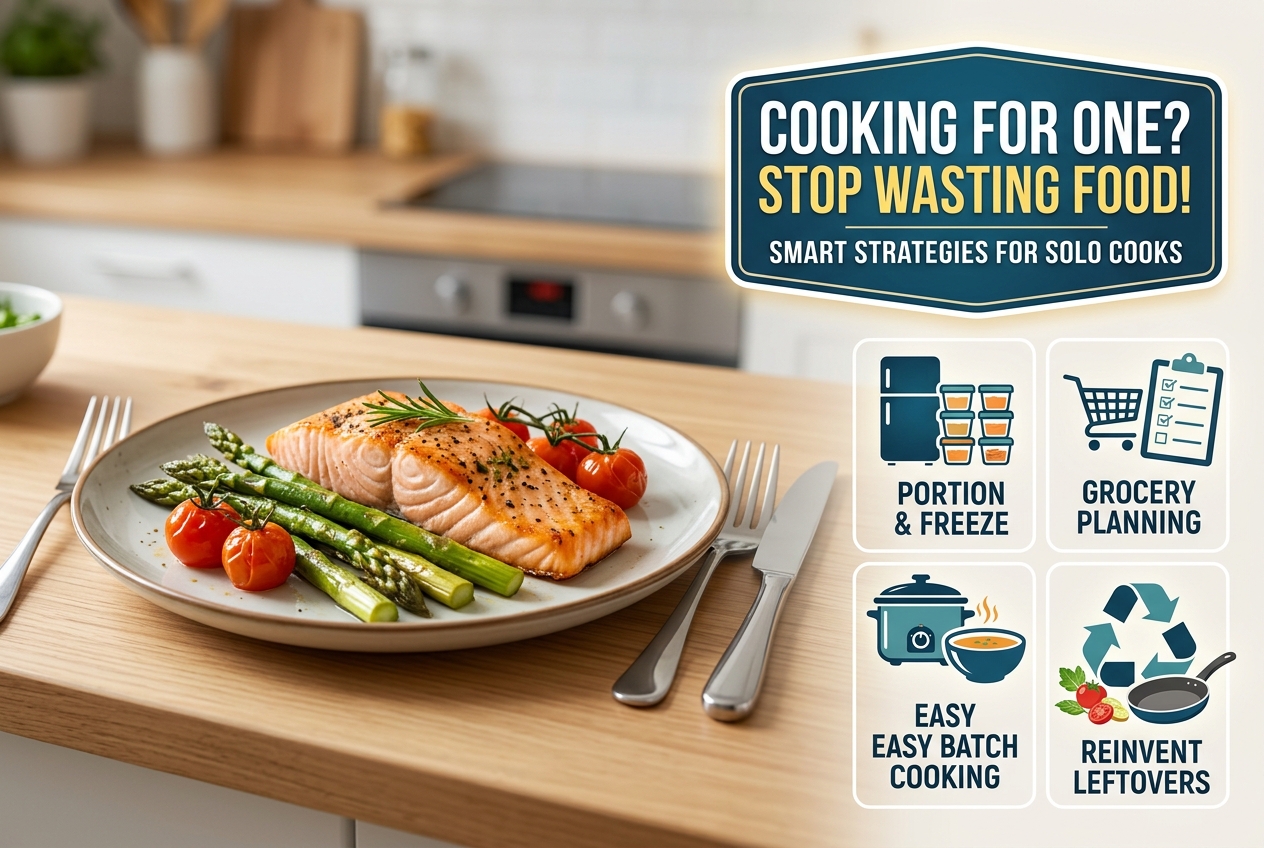
Cooking for One Doesn't Have to Mean Wasting Food
Cooking solo often means half-used groceries and leftovers that die in the fridge. The methods split on where to attack the waste: portioning and freezing single servings, planning meals against a strict grocery list, letting a slow cooker do the work, or reinventing leftovers so nothing repeats. Pick the one that fits how you actually shop and cook.
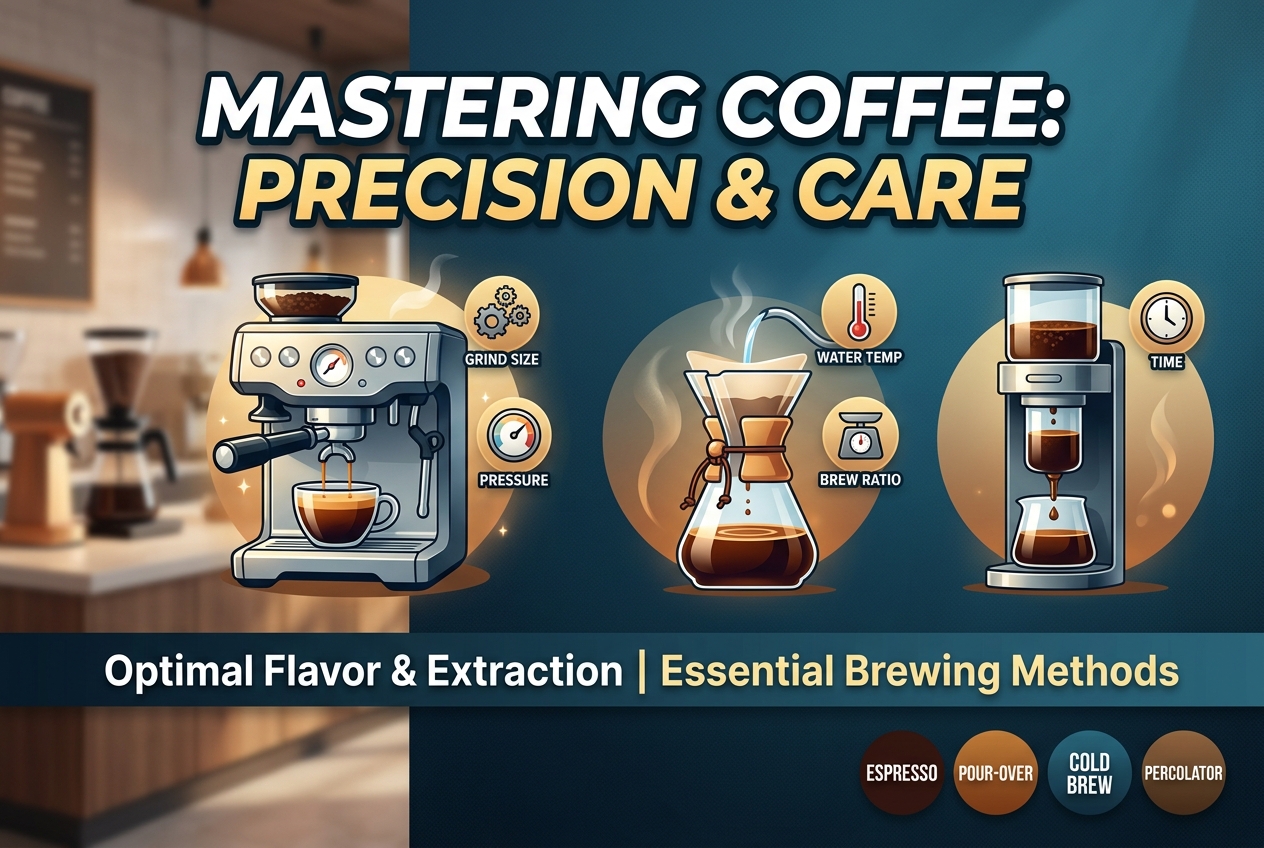
Essential Ways to Brew Coffee with Precision and Care
Coffee brewing involves controlling key factors like grind size, water temperature, brew time, and coffee-to-water ratio to achieve the best flavor. This collection covers methods such as espresso, percolator, and cold brew, explaining how to adjust variables for optimal extraction and health benefits. Learn how to prepare coffee by following precise measurements and techniques to enjoy a balanced and satisfying cup.
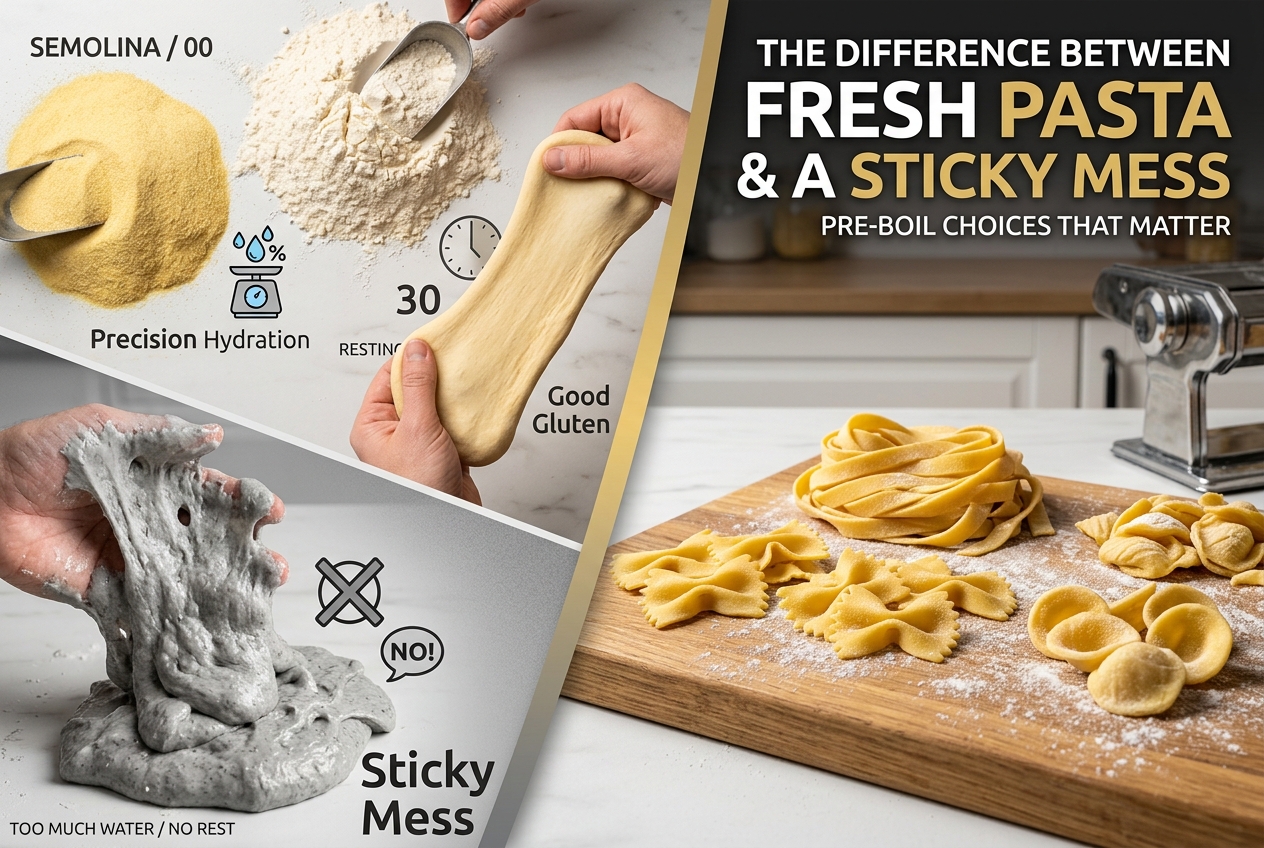
The Difference Between Fresh Pasta and a Sticky Mess
Fresh pasta succeeds or fails on choices made before the water ever boils. The elements run from semolina versus 00 flour and precise hydration to resting time and rescuing gluten-free versions, with tradition-first and technique-first camps parting ways on what defines texture. Match the method to the pasta you want on the plate.
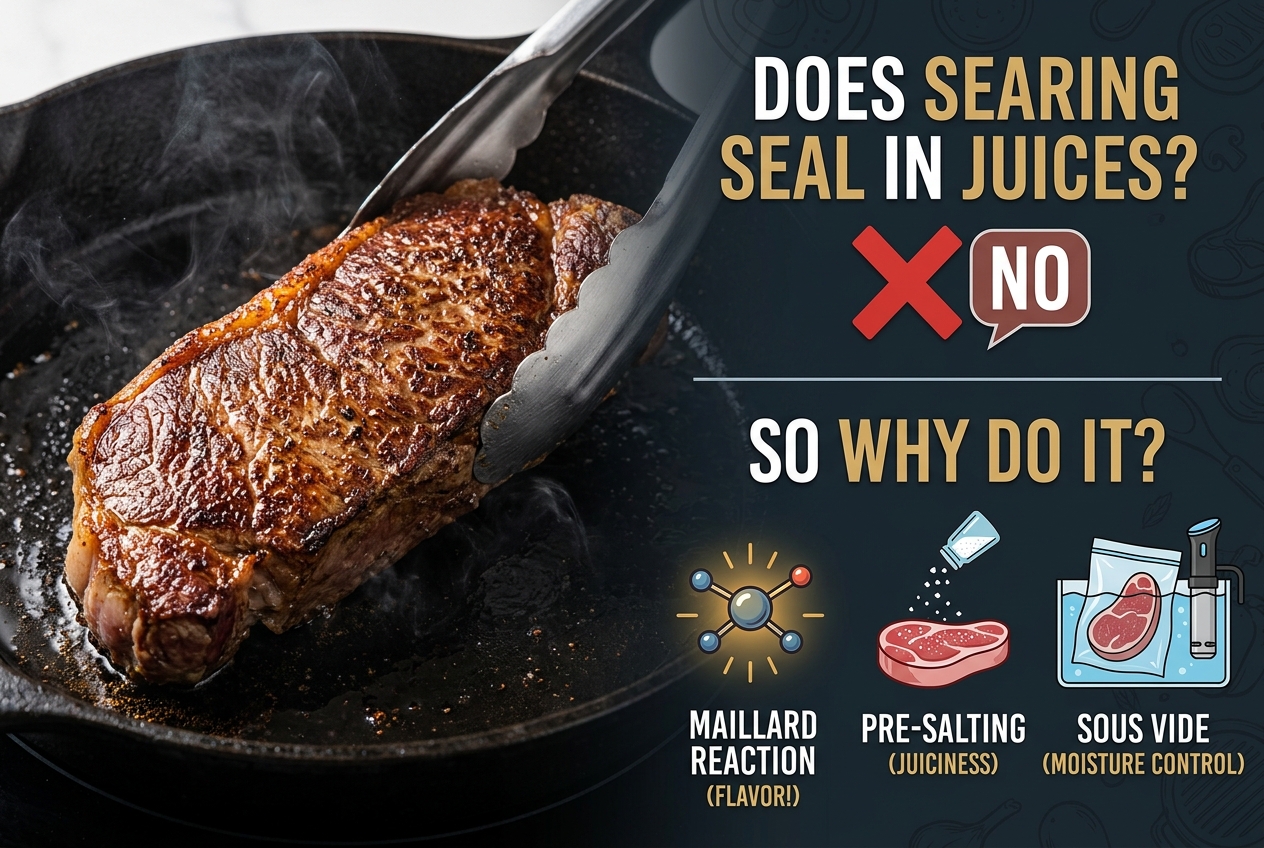
Searing Doesn't Seal In Juices, So Why Do It?
The sizzle when steak hits the pan isn't locking anything in, whatever the cooking shows say. These claims agree the old sealing story is a myth but split on what matters instead: browning for flavor, pre-salting for juiciness, or sous vide for moisture control. They add up to a better answer for cooking meat that stays juicy.