
CapxuleHub Business
por CapxuleHub Business · Se unió el junio de 2026
Cápsulas

You Don't Need a Budget to Start Automating
Small teams drown in repetitive work while assuming automation requires money they don't have. These approaches disagree on where to begin: free Microsoft tools, lead management, the bottlenecks your team complains about most, or people-first changes before any software. Comparing them gives you a first step that costs nothing but attention.

Who Actually Decides? Making Team Decisions Stick
Decisions that nobody clearly owns get relitigated, stalled, or silently ignored. The frameworks assign ownership differently, from role charts that clarify who recommends and who approves to pre-mortems that stress-test a call before it is made, and they openly trade inclusion against speed. Matching one to your team turns arguments about who decides into decisions that actually hold.

Know What Your Competitors Are Doing Before It Hurts You
A competitor move you learn about from a lost customer is a move you learned about too late. The methods differ on depth versus speed: hands-on research across many sources, always-on monitoring that keeps intelligence current, and the discipline of avoiding the shortcuts that quietly poison an analysis. The trade-offs you pick determine whether your picture of the market is thorough, timely, or stale.

Search Rankings Are Dying. AI Answers Are the New SEO
AI answer engines now sit between your content and the click, and the old ranking playbook is losing its grip. These approaches bet differently on what replaces it: optimizing brand sentiment inside AI answers, trusting click data over impressions, and verifying before reacting to every ranking swing. Compare the bets and pick the moves worth making now.

Every Shortcut in Your Code Charges Interest
Every quick fix in a codebase borrows time you eventually repay, and teams differ sharply on the repayment plan. These approaches split between weaving small fixes into everyday development and saving cleanup for strategic paydown tied to business priorities, with real disagreement over how much debt is acceptable at all. The discipline you choose decides whether delivery stays fast next year, not just this sprint.

Stop Losing Customers You Already Won
Winning a customer means little if they quietly churn out a year later. The playbooks differ on where retention is really earned: structured onboarding, proactive churn prevention, demonstrating outcomes the customer can point to, or automating the renewal machinery, and each philosophy allocates your team's time differently. Comparing them helps you design the one that fits how your product delivers value.

Growing a Sales Team From Your First Deal to Five Reps
Going from founder-closing-every-deal to a real sales team is where most startups stumble. These approaches differ on whether to mine customer insight through founder-led selling first, document the process before hiring, invest in structured onboarding, or design compensation that scales. See where people-first and process-first camps clash and decide what to build before your next hire.

A Small Ad Budget Can Still Outsmart the Big Spenders
On a tiny ad budget, every wasted click hurts, and most waste hides where beginners never look. These tactics split on the biggest lever: high-intent targeting, manual bidding, ad extensions, conversion tracking, or ruthless negative keywords that block irrelevant clicks. Get the priorities right and a small spend can outperform careless big budgets.

Upselling That Customers Actually Thank You For
Pushing a bigger sale can burn trust, yet the right offer at the right moment genuinely helps the customer. These techniques differ on where the line sits: lead with real value, read the customer's psychology, lean on data and testing, or wait for clear signs of readiness. Pick the approach that deepens the relationship instead of squeezing it.

The Price Tag Tricks That Make People Say Yes
The same product can feel expensive or like a steal depending on how the price is framed. These tactics range from high anchors and decoy options to bundles, and they clash on how aggressively you can push perception before you erode customer trust. Pick the moves that lift your offer's perceived value without crossing your own ethical line.

Make Board Meetings Worth Your Directors' Time
Too many board meetings burn hours on status updates while the real strategic questions never get airtime. The practices here differ on where the fix lives: some say it is won before the meeting through CEO-led director engagement and sharper prep, others say it is won in the room through facilitation, time discipline, and follow-through on action items afterward. Comparing them shows what turns a reporting session into actual strategy for your board.

Why Nobody Follows the Procedures You Carefully Wrote
Most workplace procedures die in a folder nobody opens, and the reasons split these approaches: some blame documents written far from the people doing the work, others blame procedures stored nowhere near the point of work itself. They agree adoption is the real test but differ on whether co-writing with frontline staff or relentless accessibility drives it. Use the disagreement to design procedures your team actually opens every day.

Your Pitch Deck Has Seconds to Earn a Meeting
Investors skim hundreds of decks, so yours wins or loses before you ever present. The approaches split over what earns attention: tailoring every pitch to the individual investor, leading with hard traction metrics, bottom-up market sizing, ruthless brevity, or a dead-simple business model slide. Choose the strategy that fits your startup and the investors you actually want.

Win Back the Customers Your Emails Are Losing
A new sign-up who never buys and a lapsed customer who never returns are both recoverable, if the right email lands at the right moment. The tactics differ on timing and leverage: immediate welcomes with clear offers, staged lifecycle sequences, strategic discounts, social proof, and deliverability work that keeps you out of the spam folder. How you sequence and target decides whether your list produces revenue or unsubscribes.

Spot the Customer Who Is About to Leave
Customers rarely announce they are leaving; they just quietly stop showing up. These tactics split on how to catch it in time: mining data patterns to predict churn early, reacting to real-time behavioral triggers, personalizing the experience so leaving feels costly, or rewarding loyalty outright. The right mix depends on how much warning your business actually gets.

The Paperwork Mistakes That Cost Founders Their Companies
A missed signature or a late tax election can cost a founder their company years down the road. These approaches split on where the real danger lies: locking down founder agreements and early 83(b) elections, avoiding the classic filing mistakes, or bringing an experienced lawyer in from day one. How you sequence them decides how protected your equity and intellectual property really are.

Founders Who Won't Delegate Decisions Cap Their Own Growth
Many founders will hand off tasks but cling to every decision, and that reflex quietly caps how far the company can grow. The stronger move is to define outcomes and decision boundaries, then push real authority down to the people closest to the work. Do that with clear feedback and coaching and you free yourself for the calls only you can make.

Focus on Metrics That Drive Real Decisions, Not Just Feel-Good Numbers
The numbers that look best in a deck often steer you wrong, rewarding activity that never moves the business. This take backs metrics that confirm or kill a hypothesis and shape real strategy, and warns that any number you turn into a target quietly stops meaning anything. Use cohort analysis and attribution to see what customers actually do.

Read These Contract Terms Before You Sign Anything
The clause you skim past today is the one that costs you in a dispute next year. The terms that deserve attention first are contested: some say lock down dispute resolution early, others settle nonprice terms before letting price move, and others focus on the payment, penalty, and performance clauses where traps usually hide. Knowing the priorities helps you decide what to negotiate first and what to refuse to sign.

Why Your Cold Emails Get Deleted Unread
Most cold emails die in the inbox before anyone reads a word. The tactics conflict on what earns the open and the reply: short urgent subject lines versus honest personalized ones, persistent follow-up versus restraint that avoids spam complaints, and whether a final breakup email should take accountability to keep the door open. Choosing your line on each decides whether you come across as useful or as noise.
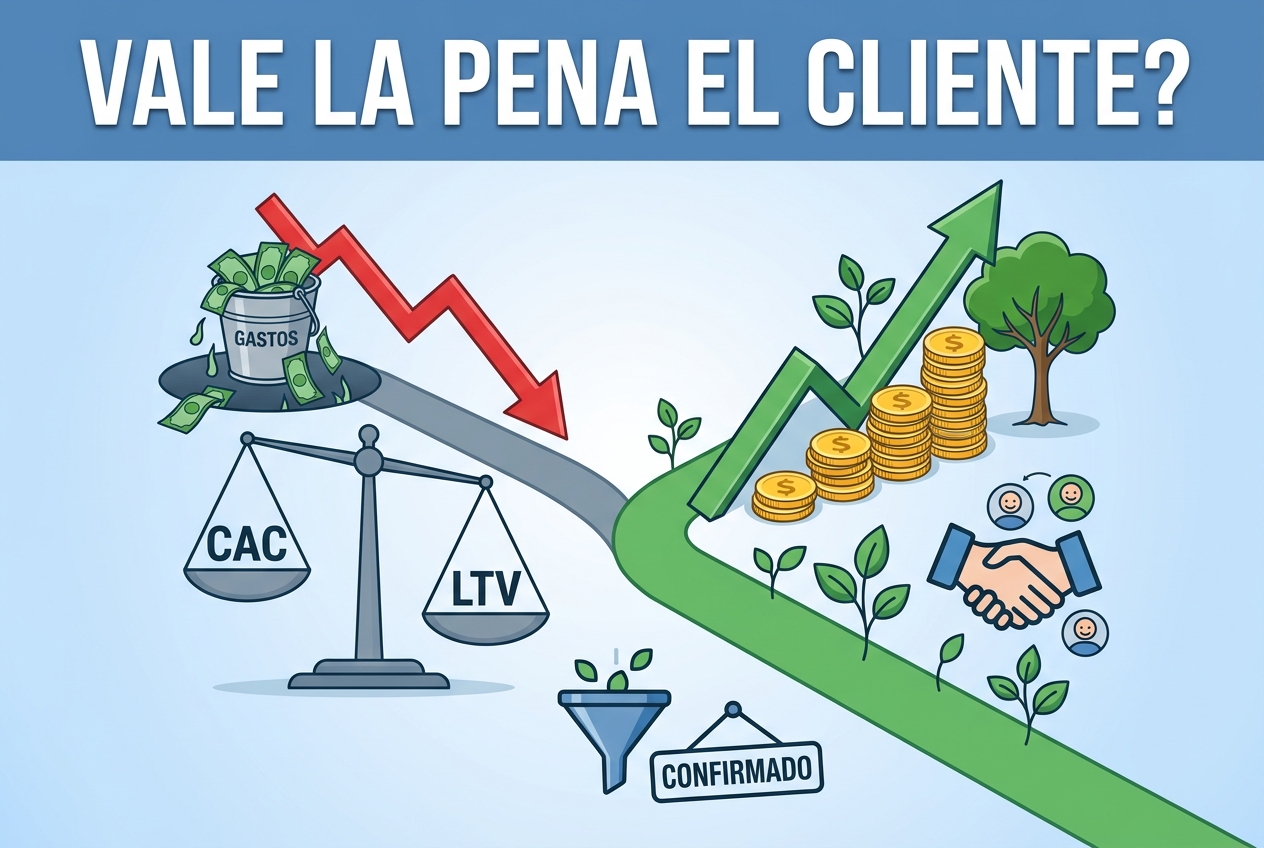
When Winning New Customers Costs More Than They're Worth
Growth that looks impressive can quietly lose money on every customer it adds. The approaches split on the fix: measure acquisition cost precisely and hold it against lifetime value, cut the cost itself through conversion optimization, or sidestep it by leaning on retention and referrals instead of paid acquisition. Choosing among them decides whether your growth compounds or just burns cash faster.

Sales Call Techniques That Get Prospects Talking Money
Ask about budget too early and you sour the conversation; too late and you waste weeks on a deal that was never real. The techniques split between disqualifying fast with direct questions and earning the money conversation through consultative rapport first, with further differences on agendas, how many questions to ask, and follow-up. Your choice sets the balance between efficiency, trust, and pipeline quality.

Paying for Referrals Can Quietly Poison Them
A referral program can turn happy customers into your sales force or into fraudsters chasing gift cards. These tactics divide over whether cash rewards undermine genuine word of mouth, and whether simplicity or data-driven optimization drives more referrals. Decide where your program sits between trust-based and transactional, and design against abuse from day one.

Should You Offer Free, a Trial, or a Demo?
Whether you give the product away, hand out a trial, or run a demo reshapes your whole sales motion. These options differ on whether users can self-activate cheaply enough for freemium, whether fast trial activation lifts conversions, or whether a tailored demo that hits real pain points closes better. Weigh them against your product's complexity and cost to serve.

Turn Happy Customers Into Your Best Salespeople
Buyers trust other customers more than they trust your marketing, but a testimonial only works if it is believable and usable. The approaches diverge on what matters most: airtight permission and legal safeguards, strategic storytelling with concrete results, third-party reviews as independent proof, or simply making it effortless for customers to say yes. Picking a lane determines whether your customer stories persuade or just decorate.

The Story That Sells Isn't About Your Product
Busy executives tune out feature lists, but they lean in for a story where they are the hero reaching a better future. The techniques here differ on the craft: strip the message to structured simplicity, lead with the main point, open a curiosity gap, or ground everything in proven facts and achievements. Choose the shape that fits the room you need to persuade.

Why Some Pricing Pages Sell and Others Scare People Off
Your pricing page is where interest turns into revenue or quietly leaves. The approaches conflict on what does the persuading: anchoring with a premium option, interactive calculators for complex pricing, breaking cost into per-day or per-user units, tiered plans with benefit-led copy, or mobile-first layouts and just-below price points. Testing the right ideas for your product decides whether visitors pick a plan or bounce.

Most Dashboards Decorate. Yours Should Decide
A dashboard full of charts nobody acts on is decoration, not intelligence. These approaches split between ruthless simplicity around a few decision-linked metrics and comprehensive data integration with automation for real-time accuracy, with governance and data quality contested in between. Build the dashboard around the decisions it must drive, then choose your side.

Is Your Business Actually Making Money on Each Sale?
Revenue can grow while every single sale quietly loses money, and the difference hides in which costs you count. These measures split on whether support, marketing, and payment fees belong in the math, whether contribution margin beats gross margin, and whether quick payback matters more than long-term customer value. Pick the yardstick honestly and you will know if growth is building a business or burning one.

What Investors Actually Read in Your Business Plan
Most business plans get skimmed in minutes, so where you invest effort decides whether an investor keeps reading. These approaches split on what earns that attention: a gripping executive summary, financial projections with linked statements, a problem-and-solution story, or upfront risk disclosure. Weigh them to build a plan that matches what your investors actually prioritize.

Methods for Turning Meeting Notes Into Real Follow-Through
Most meeting notes get typed up and never touched again, which is why decisions stall. These methods differ on capturing only decisions and owners in the room, wiring notes into tools like Jira or Trello, collaborating in a shared live doc, or systematically converting notes to tasks in batches. Pick the one that makes your meetings actually lead to action.

A Product Launch Is Won or Lost Before Launch Day
The launch moment gets the attention, but the preparation decides the outcome. These approaches split between soft launches with real-world testing, strict go/no-go gates with clear authority and rollback plans, and post-launch discipline built on feedback loops, post-mortems, or sales enablement. Choose the launch path that fits your product and your appetite for risk.
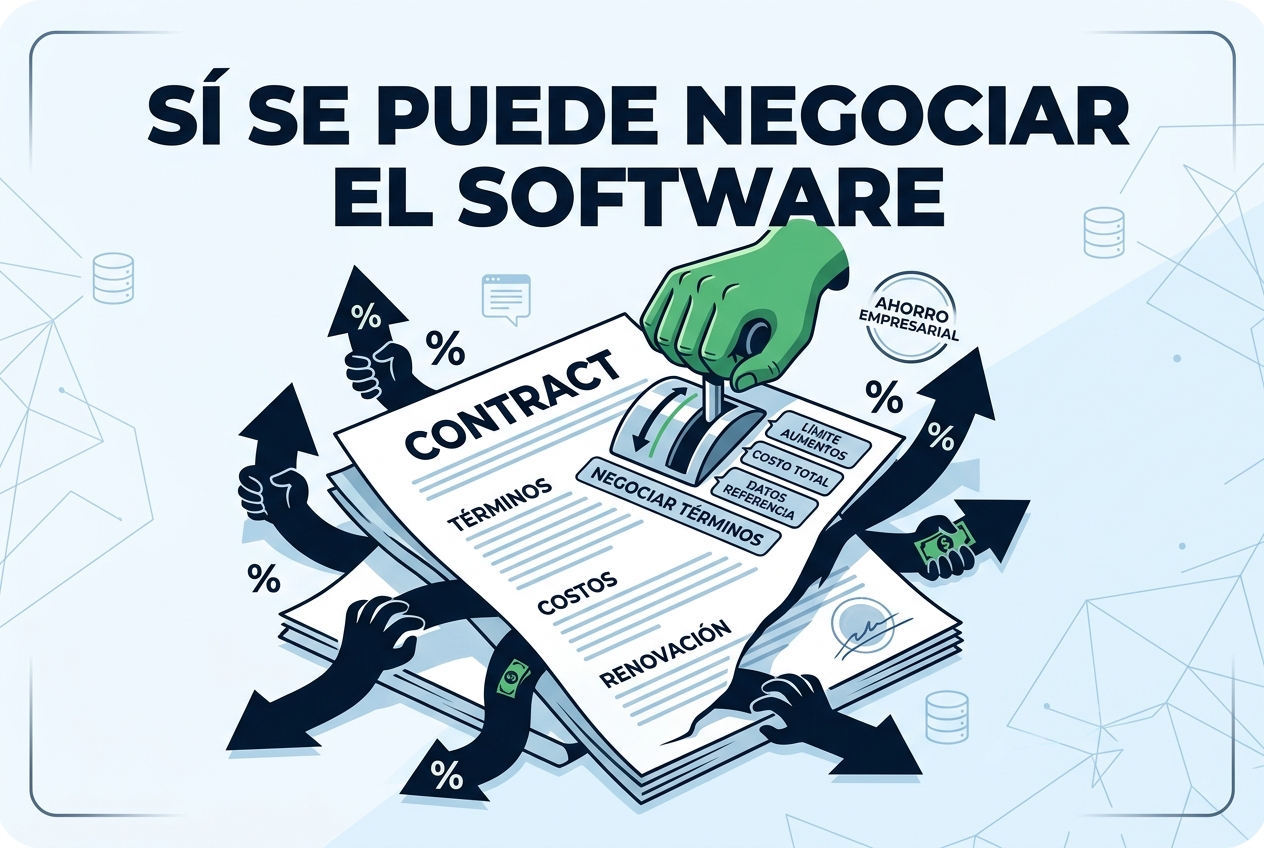
Your Software Vendor Expects You to Negotiate. Most Companies Don't
Software contracts quietly balloon through price hikes, hidden fees, and licenses nobody uses. These tactics attack the bill from different angles: capping increases, negotiating on lifetime cost rather than sticker price, tightening contract language and liability terms, and using benchmarking data for leverage. Decide which levers to pull before your next renewal lands.

Keeping a Customer Pays Better Than Finding a New One
Chasing new customers is expensive; the growth may already be sitting in the ones you have. These strategies differ on how to keep them: doubling down on your most valuable customers, personalized communication, metrics-driven churn reduction, or selective retention over broad acquisition. Decide where loyalty deserves your budget before pouring more into acquisition.
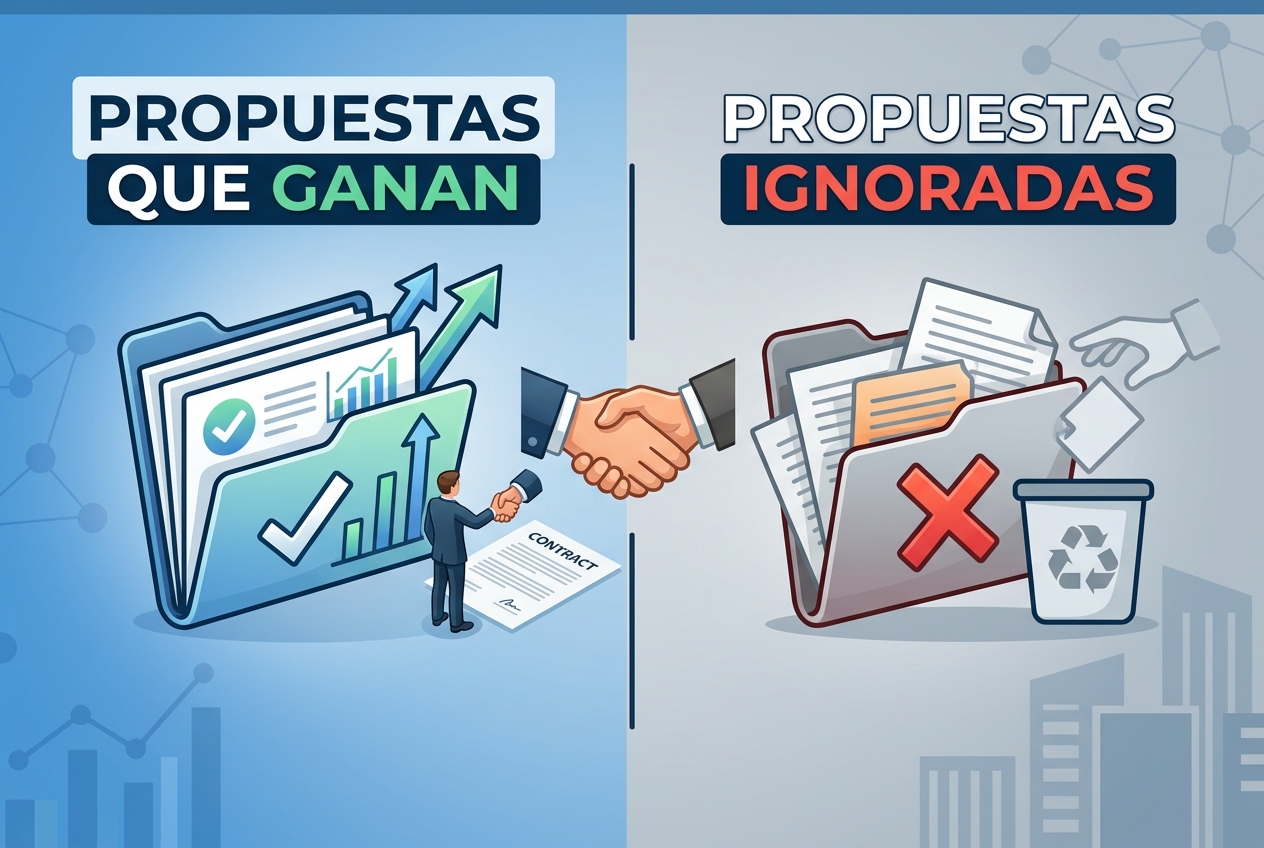
Why Some Proposals Win the Deal and Others Get Ignored
A proposal either moves the client to act or gets filed away. These approaches split on what does the moving: customer evidence and clear messaging, value-based pricing checked against cost and competition, rigorous quality reviews, or structured sales enablement. Decide which style fits how you sell and shape your next proposal around it.

Turn One Post Into Ten Only With Human-AI Teamwork
Most people think simply reposting the same content everywhere saves time, but this risks SEO penalties and wasted effort. The best way is to combine AI tools with human creativity to tailor content for each platform, track real business results, and avoid duplicate content problems. Following this approach saves time, boosts reach, and improves marketing impact.

When the Buyer Objects, Pushing Harder Loses the Sale
An objection is usually a request for reassurance, and how you answer it decides whether trust grows or dies. These techniques split on the reassurance to lead with: empathetic questions that surface the real concern, reframing the objection around value, or bringing data and even your company's ethics record into the conversation. Match the style to your customer and you can hold your ground without ever pressuring anyone.

The First Screen of Your Landing Page Decides Everything
Most visitors judge your page in the seconds before they ever scroll, so what sits at the top decides your conversion rate. The tactics pull in different directions: fast loading and minimal distraction, persuasive copy and social proof, or call-to-action placement matched to how ready your visitor is. Weigh them against your offer and decide what earns that first click.

The Update Email That Makes Stakeholders Trust You
A project update lands in a crowded inbox and either builds your credibility or quietly erodes it. These approaches split on what earns trust: full transparency including the risks, leading with wins and next steps, tailoring each message to a stakeholder's influence and interest, or positioning yourself as a strategic ally to leadership. The choice shapes not just the project's support but your own visibility.

Fixed Fee or a Cut of Revenue? The Partnership Question
How partners split the money shapes every incentive in the deal. These approaches divide between fixed fees for budget certainty and clean scope, and revenue sharing that ties both sides to growth, with further splits over legal safeguards, performance-based adjustments, and how to define revenue fairly. Structure the split before it structures your relationship.

Your Brand Voice Must Be Uniquely Yours to Truly Connect
Brands that copy competitors or chase the trendy tone end up sounding fake, and audiences can tell. A genuine brand voice rooted in your real values and personality is what makes you stand out and build lasting trust. Define it, audit it, and keep evolving it, and you replace generic messaging with an identity people remember.

Does a Four-Day Workweek Really Work, or Just Hide the Load?
Cutting to four days sounds great until you ask whether output holds or work just gets crammed into less time. These views range from strict use of the full-pay, reduced-hours model, to cutting hidden inefficiencies, to doubts that it fits every role, to social wins like more time with family. Weigh them to judge whether it could work where you are.

How Do You Launch a Marketplace Nobody Has Joined Yet?
Buyers won't show up without sellers, and sellers won't list without buyers, which is why most marketplaces die at launch. These strategies split on the way out: court the harder side first with hands-on onboarding, concentrate all activity in one tiny niche, or piggyback on platforms where both sides already gather. Each trades speed for stability differently, so pick by how much liquidity you need before word spreads.

The Business Insurance You Need and the Coverage They Push
One uncovered lawsuit or flood can sink a small business, yet paying for coverage you never needed drains it slowly. The approaches split on what counts as essential: some prioritize protection against employee lawsuits and professional mistakes, while others point to hidden exclusions in standard property policies, like flood and earthquake, that quietly leave you exposed. Sorting genuine need from sales pressure helps you buy the policies that match your actual risks.

A Perfect 5-Star Rating Can Actually Hurt Sales
Shoppers lean on reviews and badges to decide whether to trust you, but flawless scores can read as fake. The tactics disagree on what builds credibility: placing ratings right at the buy button, showing authentic slightly imperfect scores, displaying crowd numbers and verified badges, or matching trust signals to each buyer's specific doubt. Deploying them well turns skeptical visitors into buyers instead of arousing suspicion.

Getting Clients to Pay Without the Awkward Chase
Late-paying clients strangle cash flow, and how hard you push is a real judgment call. These tactics range from clear upfront contracts and automated reminders to firm cutoffs that stop work until the invoice clears, plus early-payment discounts and easy payment options. Weigh them to set terms and collections that keep money moving.

Teams That Share a Goal Still End Up at War
Departments working toward the same company goal still collide over priorities, credit, and turf. These approaches split on the fix: explicit contracts and shared goals, psychological safety and trust, learning and data-driven collaboration metrics, or realigning individual incentives with team outcomes. Diagnose why your teams clash before choosing which fix to run.

Why Rivals Can Copy Everything but Still Can't Beat You
Some businesses keep customers for decades while competitors with identical products bleed them away. The types of advantage at play, from switching costs and network effects to workflow lock-in and hard financial tests like return on invested capital, get valued very differently: what one camp calls a durable moat another calls easily copied. Judging which advantages actually hold up tells you where to build, or where to invest.

Keep Your Business Alive When Cash Runs Short
Profitable businesses still die when the money in the bank runs out before invoices get paid. The tactics pull in different directions: forecast and monitor obsessively, renegotiate supplier terms, chase receivables faster, build a cash reserve, cut to essentials, or hand the problem to software. Which mix fits depends on your margins and how much shock your business needs to absorb.

Knowing When to Kill a Sales Deal That's Going Nowhere
Dead deals clog the pipeline and waste a seller's time, but spotting them is contested. These approaches range from strict qualification rules and disciplined CRM hygiene to AI risk alerts and simply having the honest conversation that ends a bad deal early. You can pick the method that keeps your pipeline clean and productive.

Is Your Content Marketing Actually Making Money?
Content can devour budget for months while the numbers that justify it stay fuzzy. The approaches clash on what counts as proof: hard revenue tied to new customers, patience for long-term compounding value, honest accounting of the full costs, or serious tracking and testing instead of easy engagement metrics. Where you land decides what you measure, what you cut, and what you defend to whoever signs off on the budget.

Which Numbers Reveal Whether a Company Is Really Healthy?
A company's reports can tell a story of health or quietly hide trouble, depending on where you look. These approaches split over what to trust: the balance sheet snapshot, profit margins, cash flow patterns, or the warning signs of outright fraud. Comparing them shows you which lens fits the decision you need to make.
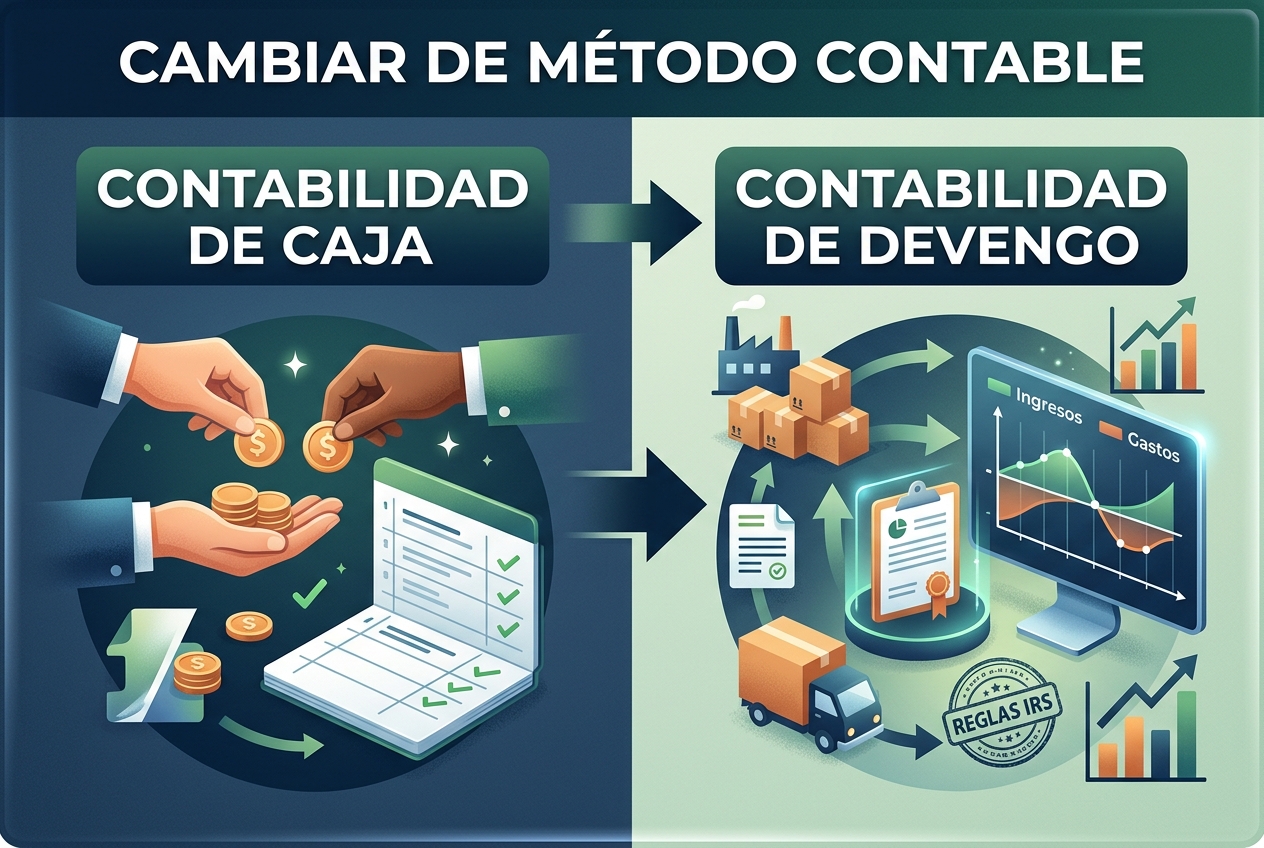
When to Switch From Cash to Accrual Accounting
Switch your accounting method at the wrong time, or the wrong way, and you invite IRS penalties and messy books. The options divide on what should drive the move: hard revenue thresholds and inventory rules, strict compliance steps like Form 3115, or the practical needs of your business regardless of thresholds. Laying them side by side shows when a switch is required, when it is merely wise, and how to land it cleanly.

Write Emails People Actually Read and Answer
Most workplace messages get skimmed, misread, or ignored, and the fixes on offer pull in different directions. Some approaches favor warm, polite phrasing while others push blunt brevity; some trust AI drafting tools while others insist on human oversight; and email's open flexibility competes with Slack's speed. Seeing where each leads helps you pick a style that gets read without rubbing your team the wrong way.

Clear Work Rules and Limits Keep Projects From Falling Apart
Clear work rules and limits, like setting work-in-progress limits and defining when tasks are ready or done, keep projects on track and prevent chaos. While many believe flexibility and constant changes help projects succeed, having firm boundaries actually creates smoother progress and fewer disasters. Following this approach means you will manage projects with more control and less stress, leading to better outcomes.

Not Every Customer Deserves Your Sales Team's Attention
Chasing every prospect spreads a sales team thin over accounts that were never going to buy. These approaches pick targets differently: financial signals, sales and marketing alignment, fast-growing regulated industries, or data-driven scoring refined over time. Decide how your business should choose its best customers before spending to win them.

Did Tearing Down the Office Walls Backfire?
Open offices promised spontaneous collaboration, yet badge-tracking studies found face-to-face conversation dropping sharply once the walls came down. The findings conflict over whether open layouts inherently push people into email and chat or whether privacy fixes and design tweaks can rescue in-person teamwork. Weigh the evidence before your workplace commits to a floor plan.

Take the Investor Money or Keep the Company?
Raising venture capital buys speed but sells ownership and invites pressure, while bootstrapping keeps control but may cede winner-take-all markets to faster rivals. The paths here range from treating VC as a trap to treating it as the only rational move when speed decides everything, with profitability-first, low-dilution routes in between. The right one depends on your market and how much of your company you need to keep.

Hire for What Matters, Outsource the Rest to Protect Your Culture
The usual outsourcing debate stops at cost, but that misses what really holds a company together. This take says hire only for roles that are strategic, core, or need long-term commitment, and send non-core or overflow work outside. Aligning those calls with strategy and compliance protects your culture while still tapping outside help.

Remote Work's Biggest Winners Were Already Winning
Hybrid policies tend to reward the highest-paid workers while frontline staff get none of the flexibility. These views clash on whether remote work truly lifts productivity or just moves the strain into family life, and on how to run hybrid schedules without deepening inequality. Use them to shape a remote policy that is both effective and fair.

When Goal Setting Becomes the Work Instead of the Results
OKRs were meant to focus teams on outcomes and often decay into task lists nobody believes in. These approaches disagree on the cure: outcome-driven goals, strategy set before the goals, limits on cascading targets down the hierarchy, dedicated roles and training, or keeping the whole system simple and flexible. Choose the fix that matches how your organization actually loses the plot.

The Weekly One-on-One Is Where Managers Quietly Fail
A one-on-one can be the most valuable half hour on a manager's calendar or a status update nobody needed. These approaches clash over who should lead the meeting, whether trust and open dialogue or structured agendas with follow-up drive growth, and what role coaching, culture, and data play. Pick the approach that turns your recurring meeting into actual performance.
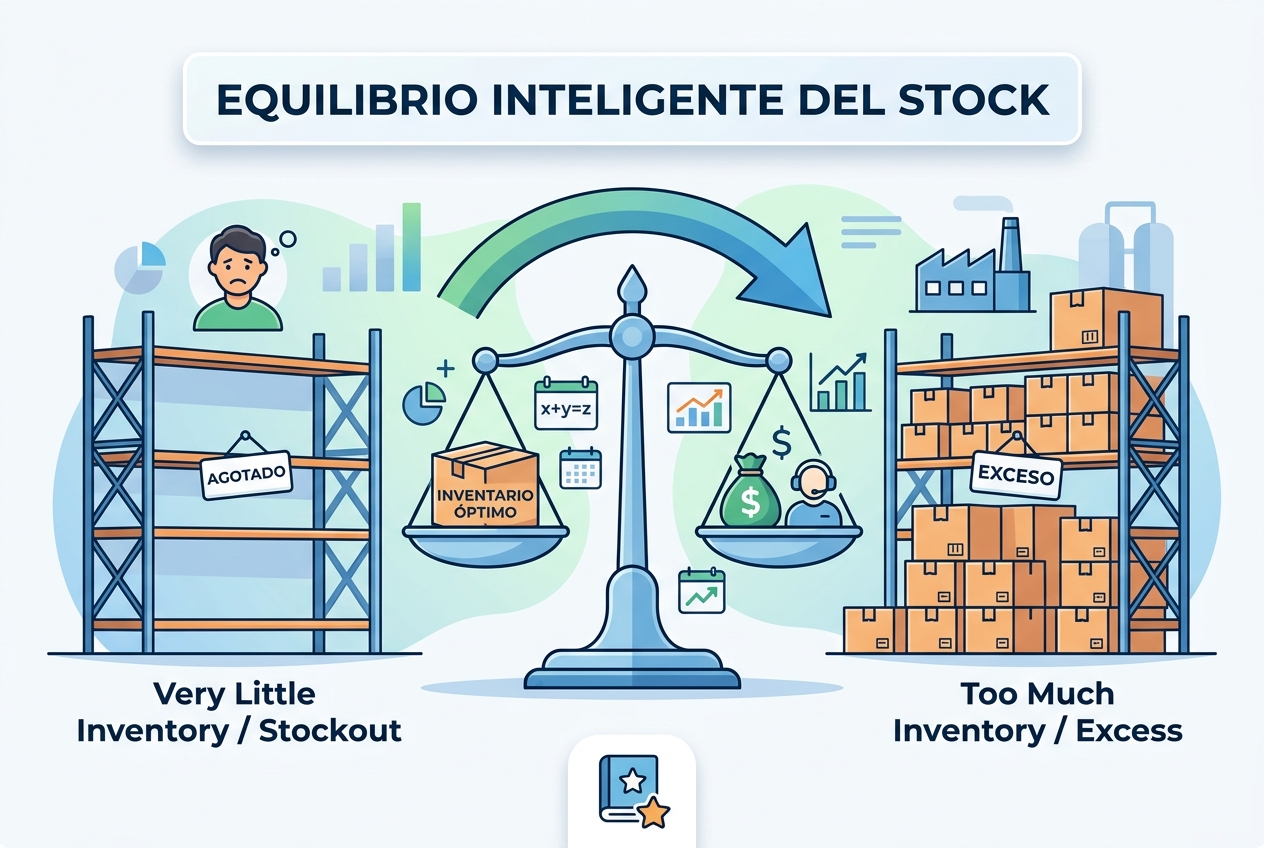
Holding Enough Stock Without Drowning in It
Too little stock loses sales, too much ties up cash, and where to land is a constant tension. These approaches differ on centralizing inventory across channels, using reorder-point and safety-stock formulas, culling dead SKUs, and planning for seasonal swings. Weigh the trade-offs to protect both service and cash flow.

Where Global Business Taxes Trip Up Growing Companies
Expanding across borders means entity structures, transfer pricing, and filings like Form 5472 and FBAR that carry brutal penalties for slip-ups. These areas differ on whether to chase treaty and incentive savings or prioritize airtight compliance and proactive advice. See where they conflict so you can pick the right path for your expansion.
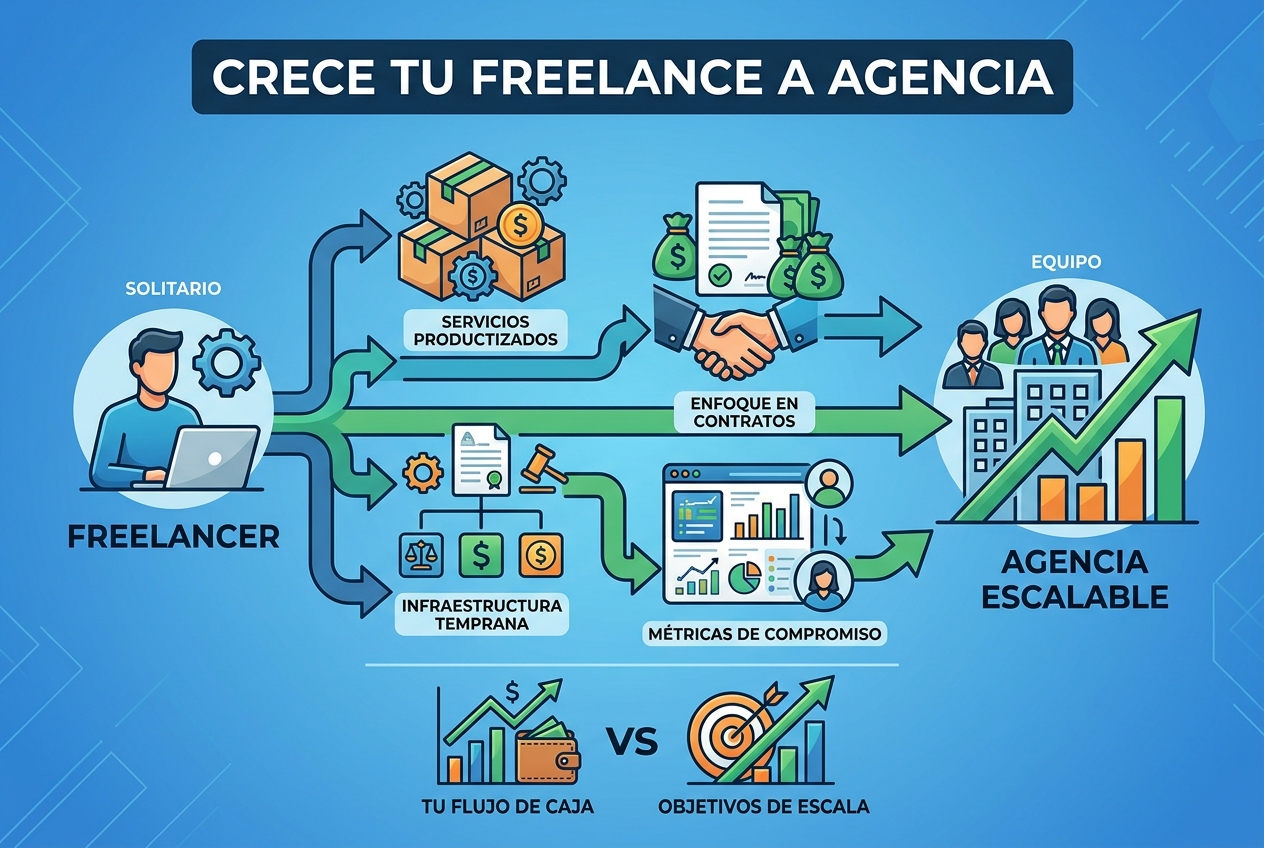
Approaches for Turning a Solo Freelance Gig Into an Agency
Turning a one-person freelance business into an agency forces choices about how you price, what infrastructure you build, and how you track clients. The approaches here differ on whether to productize services, invest early in legal and financial structure, obsess over engagement metrics, or focus on compliance and contracts. Compare them against your cash flow and goals to pick the path to a scalable agency.

How Companies Quietly Decide Who Stays and Who Goes
Behind every promotion and every quiet exit is a system, and companies run very different ones. The approaches here range from continuous strengths-based feedback to Netflix's blunt keep-or-cut test, with sharp critiques of forced rankings, annual reviews, and using OKRs to judge individuals. Understanding them tells you which culture you're building, or which one you're working inside.

Structured Interviews Beat 'Cultural Fit' Bias in Hiring
Structured interviews with standardized questions and scoring are proven to predict job performance far better than unstructured interviews that rely on subjective cultural fit judgments. The common practice of hiring for cultural fit often masks bias and discrimination, disadvantaging diverse candidates. By focusing on objective, job-related criteria through structured interviews, employers can reduce bias and make fairer, more accurate hiring decisions.

Is a Performance Plan a Lifeline or a Paper Trail?
For the employee on one, a performance improvement plan either means the company is invested in their turnaround or quietly building a case to fire them. The approaches here differ on whether plans should be developmental or measured strictly by data, how goals should be framed to reduce conflict, and how much wellbeing and psychological safety drive real improvement. How you run one decides which message your team hears.

Outsmarting Rivals, from Ancient Battlefields to Tech Markets
Beating a rival can mean mapping their evolving needs, inventing a market they have not seen, riding network effects, or borrowing tactics from ancient generals. The strategies here disagree on the core move: build protective moats, disrupt the industry, iterate under constraints, or apply battlefield wisdom from East and West. Match the playbook to the fight you are actually in.
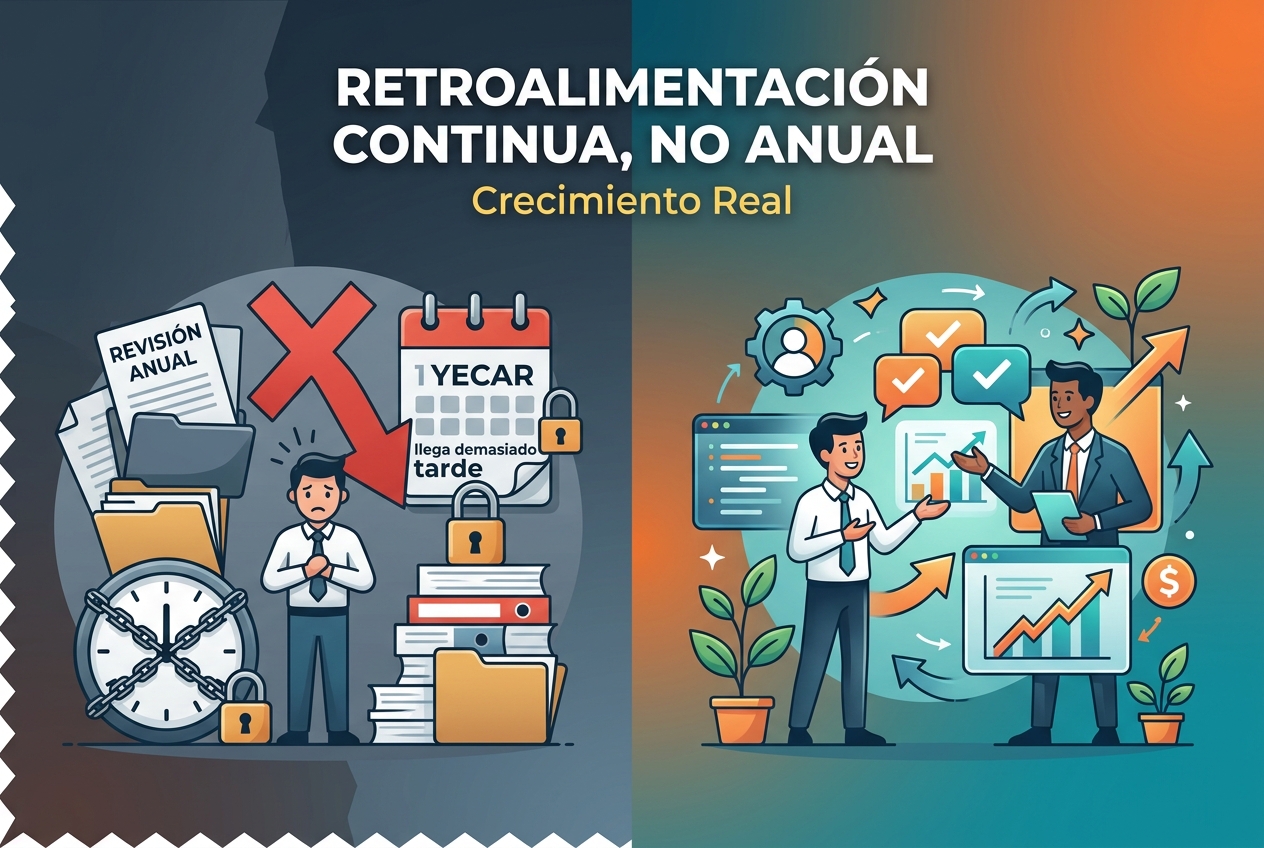
Annual Performance Reviews Harm More Than They Help
The yearly performance review arrives too late, carries bias, and deflates the people it's meant to develop. Against the standard corporate ritual, the argument here is that continuous, collaborative feedback conversations do what annual scores cannot: actually change how people work. Companies that make the switch trade a dreaded ceremony for real growth.

Creators Who Rent Their Audience Can Lose It Overnight
One algorithm change or ban can erase an audience a creator spent years building. These strategies split on the answer: keep betting on social platforms, move fans onto email lists you control, or study how platform work really pays before choosing. They show what owning your audience costs and what renting it risks.

Your Boss Can Watch You Work From Home. Should They?
Monitoring software promises accountability and quietly corrodes the trust remote work runs on. The competing positions here weigh privacy law and ethics against performance tracking, ask who even gets to work remotely, and trace how policy is pushing people back into offices. Work out where your organization should draw the line between oversight and trust.

Is the 40-Hour Workweek a Relic of the Factory Floor?
The 40-hour week was built for the industrial era, and the case for keeping it is under real pressure. One argument defends fixed hours as a stable standard, another points to trials where shorter and flexible schedules lifted productivity and wellbeing, and a third questions the sources behind both claims. Sorting through them helps you judge what a sane workweek should look like now.

The Hidden Rules Behind Florida HOA Fines and Moving Challenges
Florida’s HOA rules set strict limits on fines and suspensions, requiring clear notices, hearings within specific timeframes, and opportunities to cure violations before penalties apply. These rules differ on how fines are capped, the timing of hearings, and owners’ rights to detailed accounting, revealing the complex reality behind Florida’s insurance crisis and migration appeal. Understanding these rules helps potential movers navigate HOA enforcement, Uber driver challenges, and the need for thorough research before relocating.

When Can Landlords Raise Rent or Evict Tenants in Los Angeles
Tenant protections in Los Angeles vary significantly depending on the building's age and applicable laws, with key differences in rent increase limits, eviction reasons, and relocation assistance requirements. Some units are covered by the Rent Stabilization Ordinance limiting rent hikes and requiring just cause for eviction, while newer apartments are exempt but still protected by universal just cause rules. Understanding these protections helps tenants and landlords know when rent can be raised, when eviction is allowed, and what procedural steps must be followed.

What Nobody Tells You About Running a Daycare Business
Running a daycare or in-home childcare involves navigating hidden legal, safety, and staffing challenges that often go unspoken. The requirements differ sharply between home-based and center-based care, especially around licensing, liability insurance, staff background checks, and reporting serious incidents. Understanding these distinct requirements helps providers make informed decisions to protect children, comply with regulations, and sustain their business.

Who Really Pays When You Rent, Work Commission, or Own Your Salon Chair
Salon and barbershop money models differ sharply in who handles costs, risks, and rewards—from renting a booth to earning commission or owning a chair outright. These models vary in tax responsibilities, licensing, insurance requirements, and client management strategies. Understanding these differences helps workers and owners decide the best path for financial control, legal compliance, and steady income.

Why Short-Term Rentals Can Cost More Than You Think
Short-term rental economics hinge on complex factors like occupancy calculations, local regulations, and hidden costs that can dramatically affect profitability. These factors differ in how they enforce registration, tax collection, and penalties, shaping whether hosting is sustainable or risky. Understanding these factors helps hosts navigate legal hurdles, avoid costly fines, and make informed decisions about managing rentals.

Why Franchise Fees and Royalties Can Sink Your Business
Franchise ownership involves complex financial commitments like upfront franchise fees, ongoing royalties, and marketing fund contributions that can strain profitability. The topics reveal how disclosure rules, legal obligations, and operational risks vary widely, affecting whether a franchise thrives or fails. Understanding these differences helps prospective franchisees assess true costs, legal risks, and growth potential before signing on.

Book Deals Uncovered, Are Advances Really Free Money or Hidden Traps
Book publishing offers different paths with distinct financial and legal risks. Some guides reveal how traditional deals require authors to earn back advances before royalties, while others warn about scams demanding upfront fees or vanity publishing traps. Understanding these differences helps authors protect their rights, avoid costly mistakes, and choose between self-publishing and traditional contracts with clear eyes.

Who Really Gets Paid When Your Music Makes Money
Music income comes from different rights like publishing and master recordings, each handled and paid differently. This set of options shows how contracts, royalties, advances, and ownership can vary widely, and why artists must carefully weigh deals, streaming income, and touring earnings with expert advice. Understanding these choices helps musicians protect their money, rights, and control over their work.

Who Really Pays When Engineers Stamp Their Work and Set Their Rates
Choosing between consulting and a salaried engineering job involves understanding billing rates, professional licensing, and liability risks. Topics cover how overhead and utilization rates impact firm profitability, the legal limits on using a professional engineer's stamp, and the fine line between employee and contractor classifications with their financial and legal consequences. This knowledge helps engineers and firms decide how to price work, comply with regulations, and manage risks tied to professional responsibility and employment status.

Discipline and Clear Contracts Drive Insurance Agent Success and Income
Insurance agents succeed by enforcing disciplined practices and securing clear contracts that define client ownership and commission rights. Unlike common assumptions, relying on verbal agreements or ignoring underperformance risks income loss and legal trouble. Agents who build structured renewal-focused compensation and address team issues objectively create predictable, scalable revenue.

Why Architects Earn Less Despite Huge Responsibility and Long Hours
Architects face systemic low pay because their fees, often a small percentage of construction costs, are squeezed by client budgets and competitive bidding. The traditional percentage-of-cost fee model ties compensation to uncertain project costs, limiting profit and failing to account for complex modern demands, long project cycles, and high liability risks. This collection reveals how fee structures, unpaid revisions, insurance challenges, and market pressures create a landscape where architects earn far less than contractors despite bearing significant legal and professional responsibility.

Form Your LLC in Your Home State to Avoid Hidden Costs and Hassles
Many small business owners believe forming an LLC in Delaware or Wyoming offers tax or privacy advantages, but this often backfires when the business operates in their home state. Forming out of state usually triggers foreign qualification fees, extra compliance, and legal complexities that outweigh any perceived benefits. Choosing your home state for LLC formation simplifies filings, reduces costs, and aligns with where your business actually operates, making it the smarter choice for most entrepreneurs.

Why Owner-Operator Trucking Often Leaves Drivers Struggling to Profit
Owner-operator trucking economics reveal a harsh reality where high expenses, delayed payments, and unpredictable costs often erode profits. The factors differ on how costs like fuel, maintenance, and lease agreements impact take-home pay, and how payment structures and market rates influence financial stability. Understanding these factors helps drivers see why gross earnings can mask the true money challenges behind the wheel.
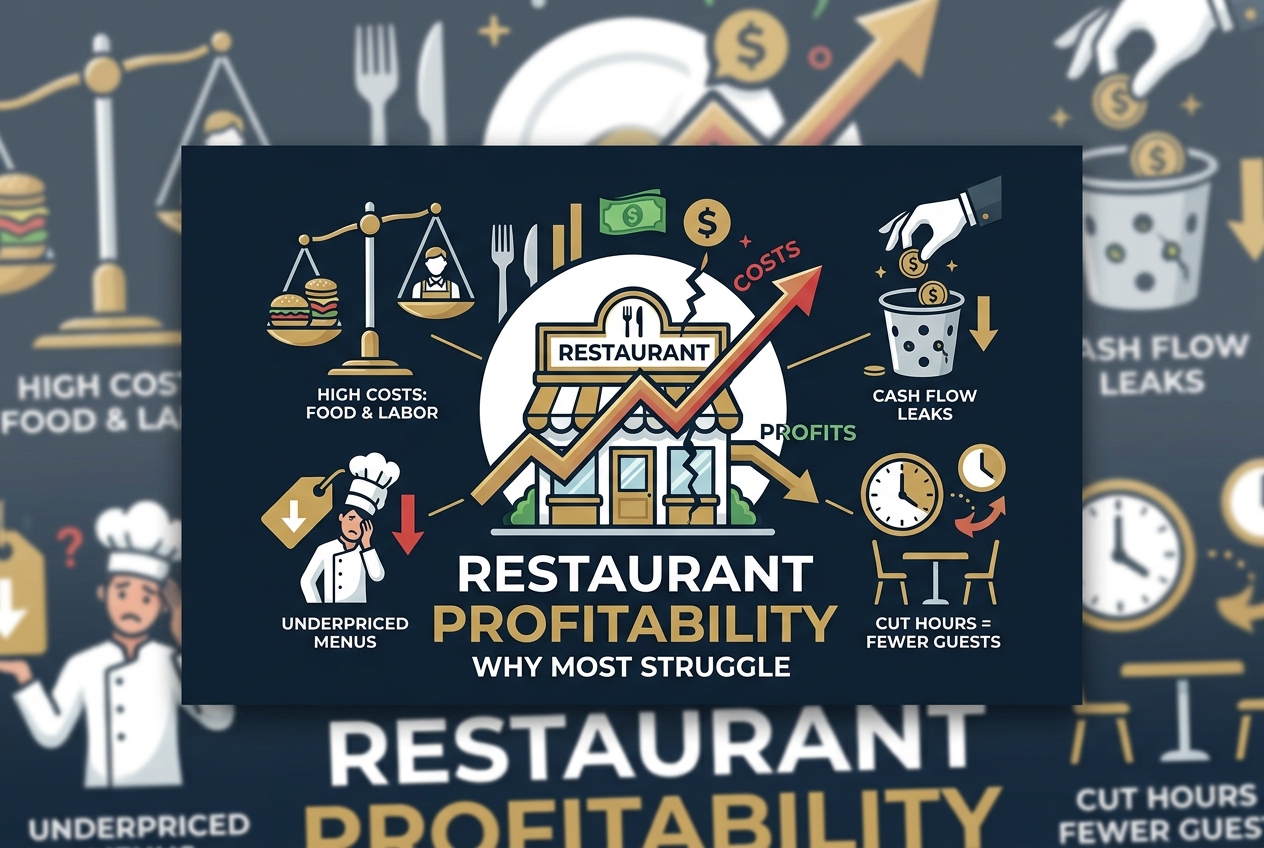
Why Most Restaurants Struggle to Stay Profitable
Running a restaurant means balancing tight profit margins where food and labor costs alone consume about two-thirds of every sales dollar. The reasons restaurants fail differ widely—from mismanaging cash flow and underpricing menus to cutting hours that harm quality and customer demand. Understanding these distinct reasons helps owners make smarter decisions about pricing, cost control, and staffing to keep their business sustainable.
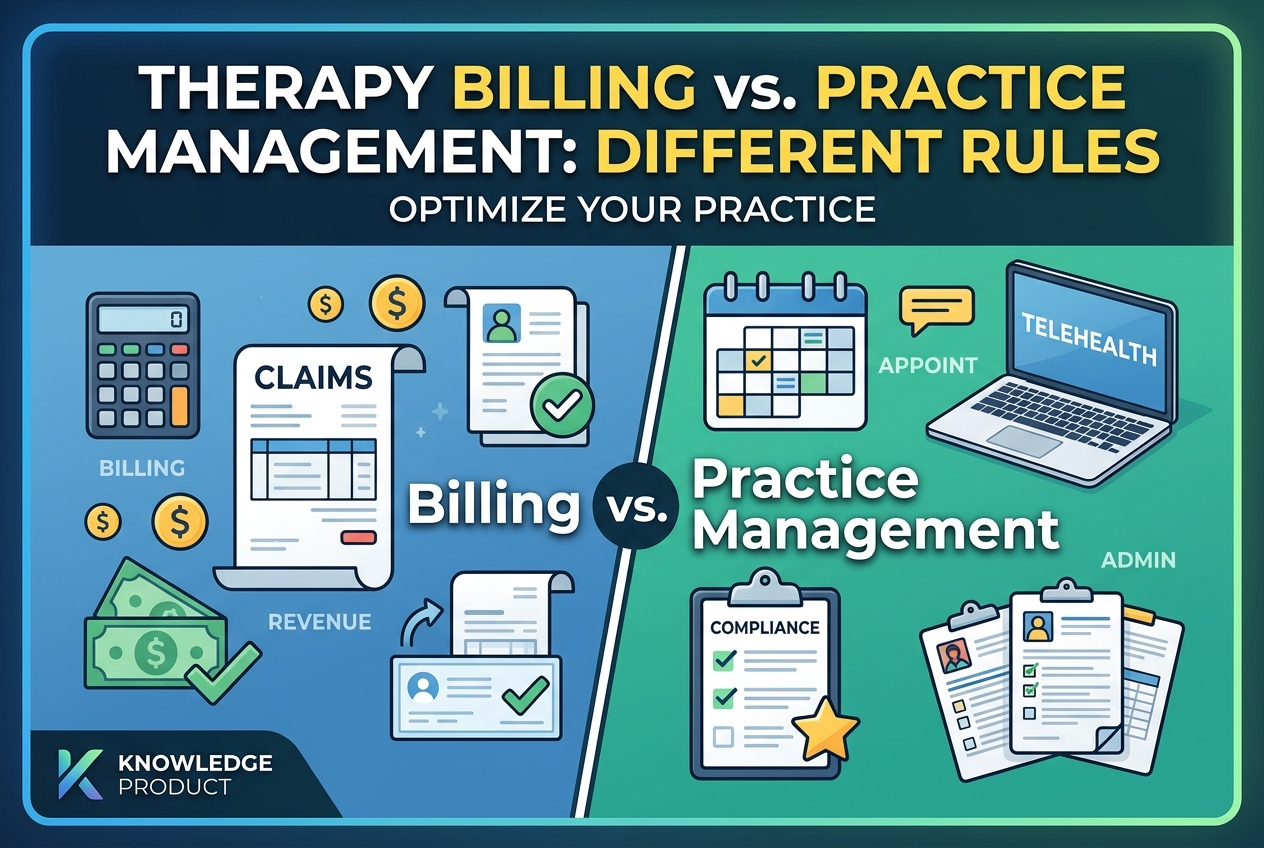
Why Therapy Billing and Practice Management Demand Different Rules
Therapists and counselors face distinct requirements when managing private practices, from handling insurance claims and billing procedures to meeting telehealth regulations and business management challenges. These requirements differ significantly in how they impact revenue flow, compliance, and client interactions, guiding practitioners on whether to prioritize centralized billing systems, strict cancellation policies, or up-to-date credentialing processes. Understanding these varied demands helps clinicians choose the right approach to optimize their practice’s financial health and legal compliance.

What Dental Schools Don’t Teach About Running Your Practice
Dentists often face unexpected challenges managing the business side of their practice, from contract pitfalls to financial decisions that impact their license and livelihood. The guides reveal how legal protections, financial strategies, compliance risks, and data-driven decisions can shape a successful dental career. Understanding these different perspectives helps dentists negotiate agreements, choose the right business structure, and safeguard their practice against costly mistakes.